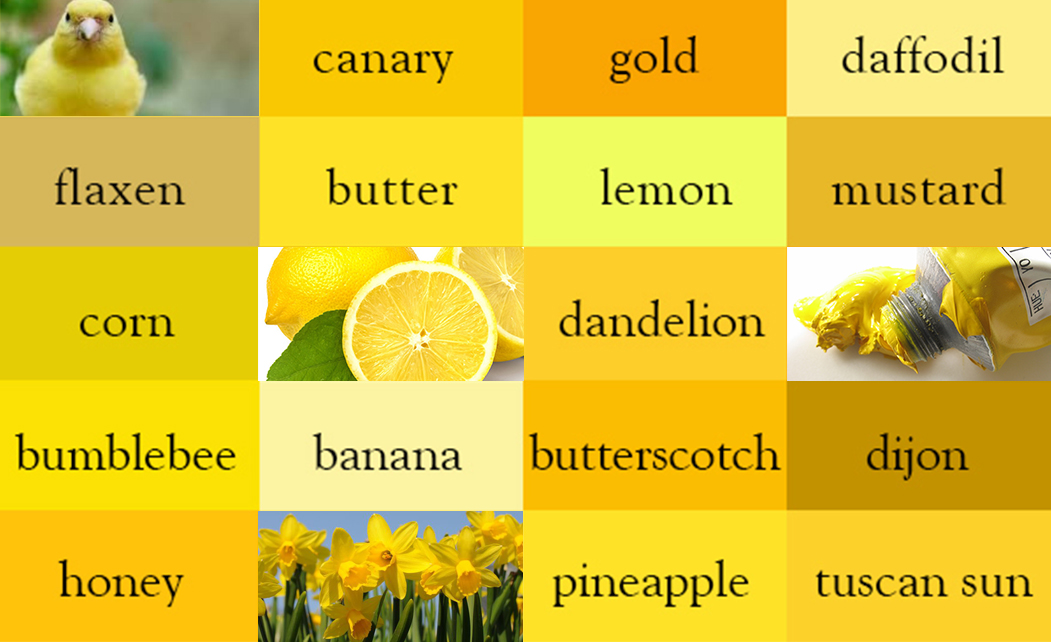
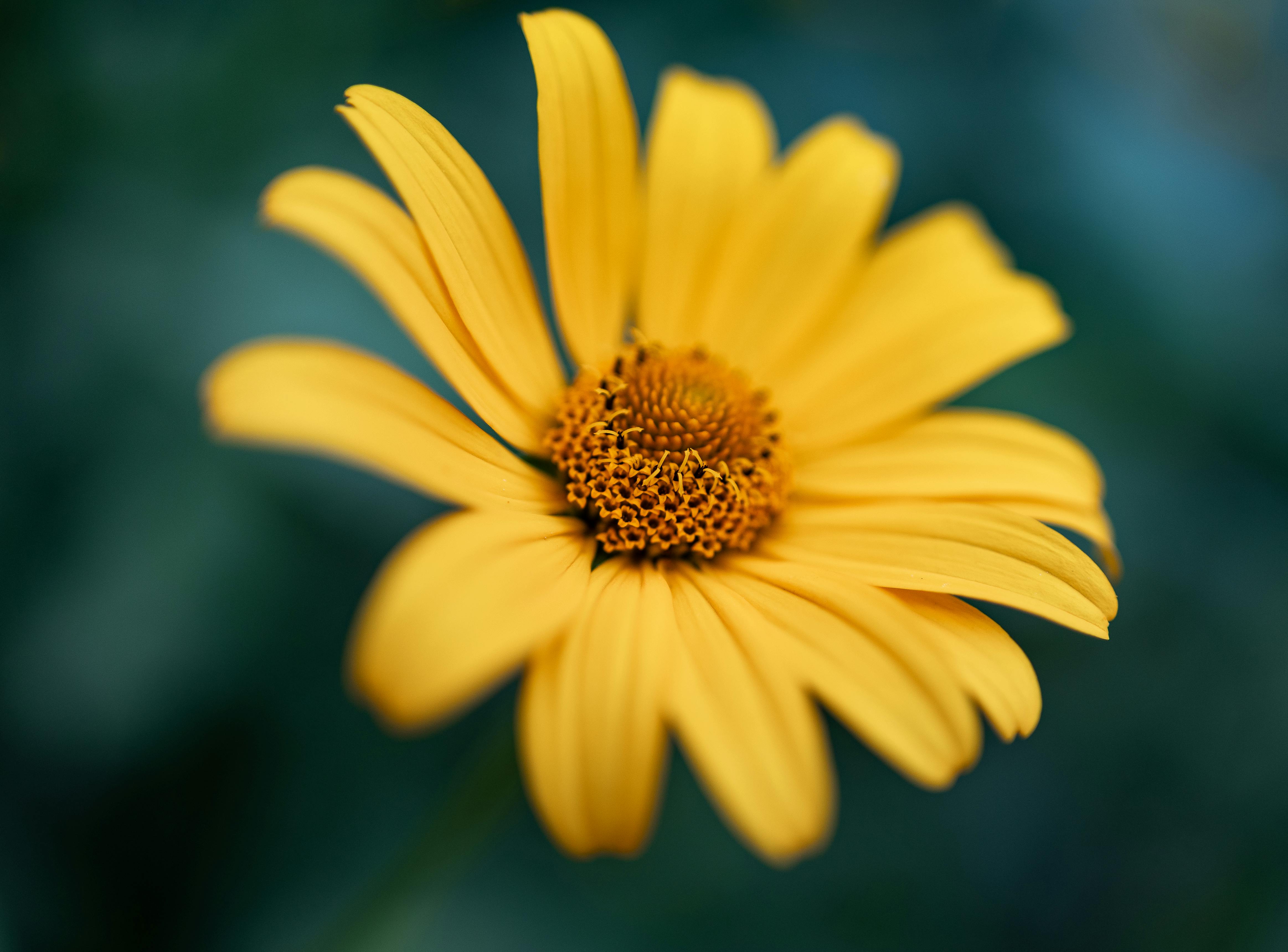
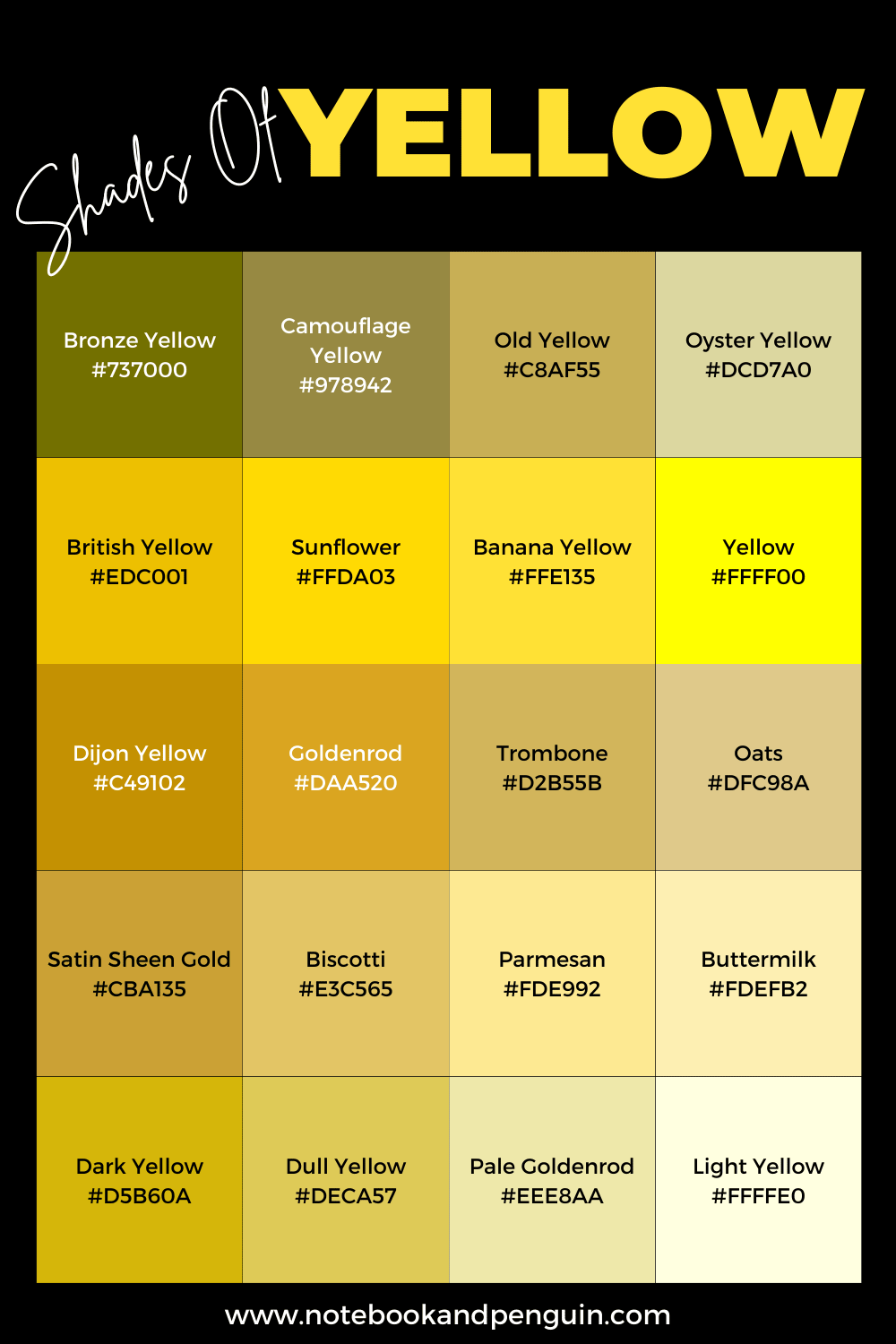
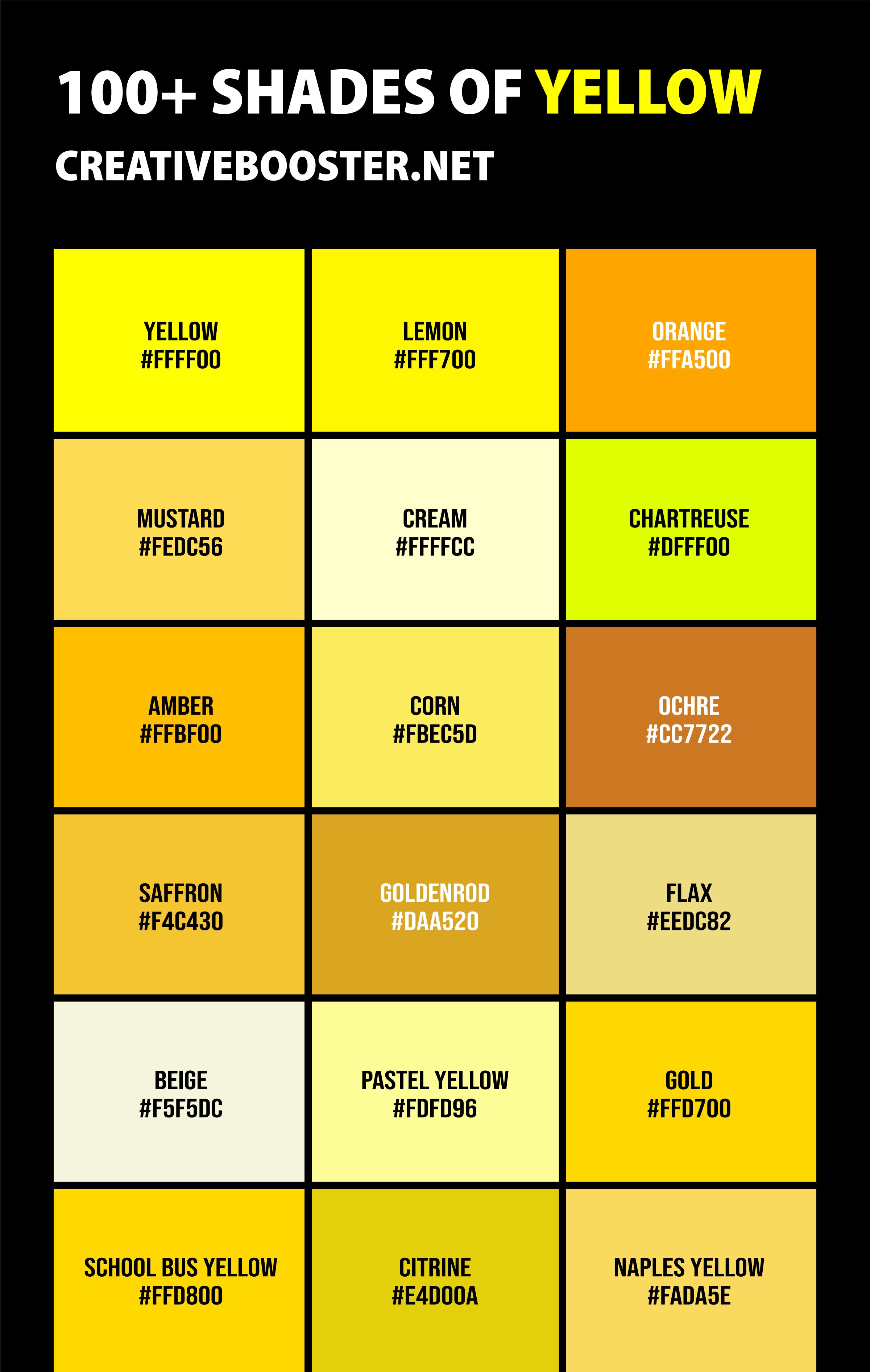
Populus tremuloides is a deciduous tree native to cooler areas of North America, one of several species referred to by the common name aspen. It is commonly called quaking aspen, [2][3][4] trembling aspen, [2][3] American aspen, [3] mountain or golden aspen, [5] trembling poplar, [5] white poplar, [5] and popple, [5] as well as others. [5] The trees have tall trunks, up to 25 metres (82 feet.. Fall Colors of Aspen The slender, white-barked trees paint the Western mountains with their beautiful yellow, gold, orange, and red colors in the fall. Aspens glow in a patchwork quilt of these different hues, against a background of dark green conifers, gray and black rocks, wispy clouds, and deep blue skies. (See Why Leaves Change Color)
























Celebrating Wildflowers explores how aspens grow, the symptoms and possible causes of aspen decline, and the challenges to maintaining this species in the western landscape. Enjoy this unique species, its dazzling fall colors, the wildflowers found in aspen groves, and the carvings left on the trees' bark by visitors.. Discover the mesmerizing journey of aspen trees as they transform from green to gold in autumn, unveiling the secrets behind their renowned yellow leaves. Delve into the intricacies of weather conditions, soil quality, and water availability influencing how long these vibrant hues will last, guiding you through nature's ever-changing canvas and the delicate dance between environmental cues and.