This document discusses the importance and guidelines for clinical photography in orthodontics. It begins by defining photography and its role in orthodontics for documentation, evaluation, and monitoring of treatment. It then provides details on the specific intra-oral views that should be captured, including frontal, bilateral buccal, and occlusal views. Guidelines are presented for proper.. Orthodontic Photo Guide with the EyeSpecial FACIAL IMAGES. OCCLUSAL IMAGES Images courtesy of Shannon Brinker, CDA Occlusal Images: Try not to leave any teeth out of the photo - the wider the patient opens, the more teeth will be in the frame. Keep nose out of the picture. Keep mirror warm to avoid fogging.



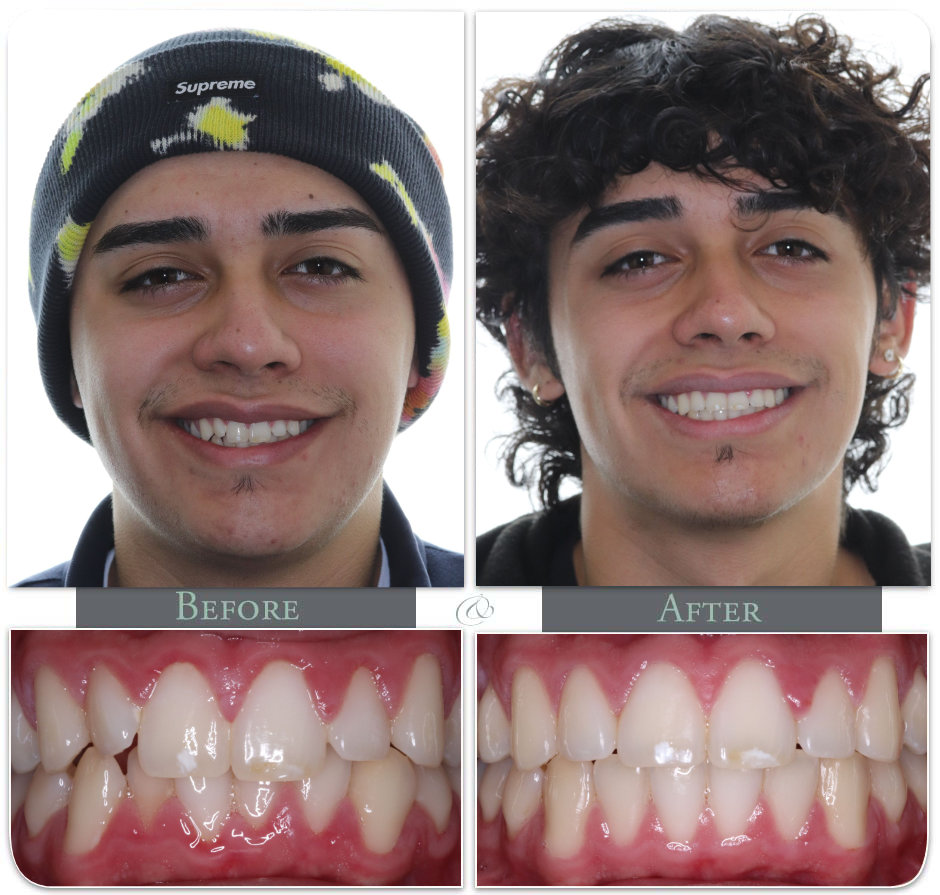







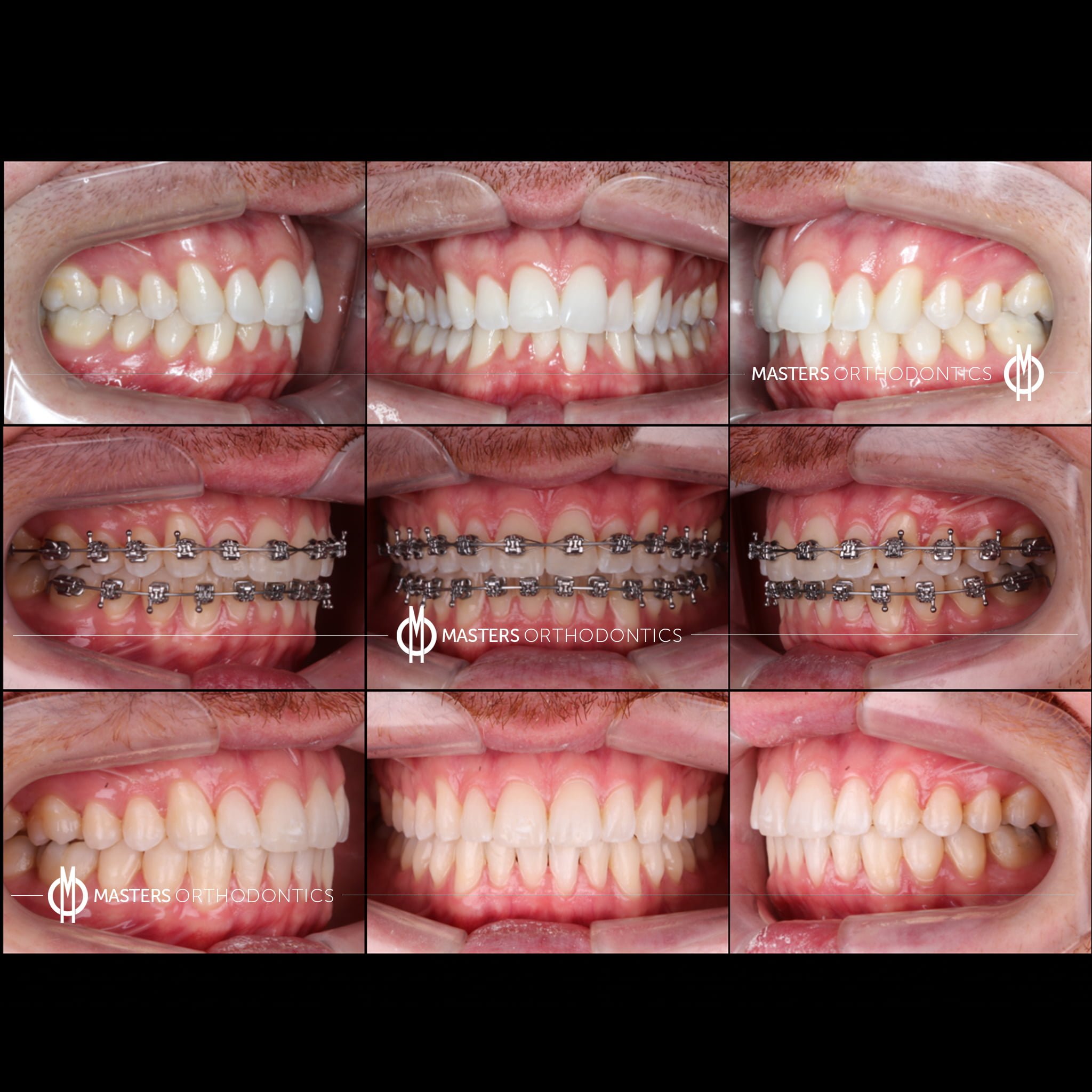
Before- and after-treatment photographs have been unique in the practice of orthodontics for many years. The availability of improved camera bodies, exposure meters, strobe lights, and longer focal length lenses with a better definition of what makes a good clinical photograph has created another sphere in orthodontic history and record production.. Abstract In the ever-evolving field of orthodontics, the integration of high-quality photography into orthodontic practice remains indispensable. This article provides some key pointers to help with good photography during the provision of orthoodontic treatment. CPD/Clinical Relevance: It is important for clinicians to be aware that high-quality photography is an essential aid in treatment.