A bird flock represents a cohesive group of birds that move, feed, and roost together through coordinated collective behavior. These gatherings form when individual birds aggregate for enhanced survival benefits including improved predator detection, increased foraging efficiency, and optimized energy conservation during flight.. Birds often gather together in large groups called flocks for several important reasons. Forming flocks provides birds with enhanced protection, foraging efficiency, social benefits, and mating opportunities. Understanding why birds flock together provides insight into an important survival strategy in the avian world. Protection from Predators One of the main reasons birds gather in flocks is.


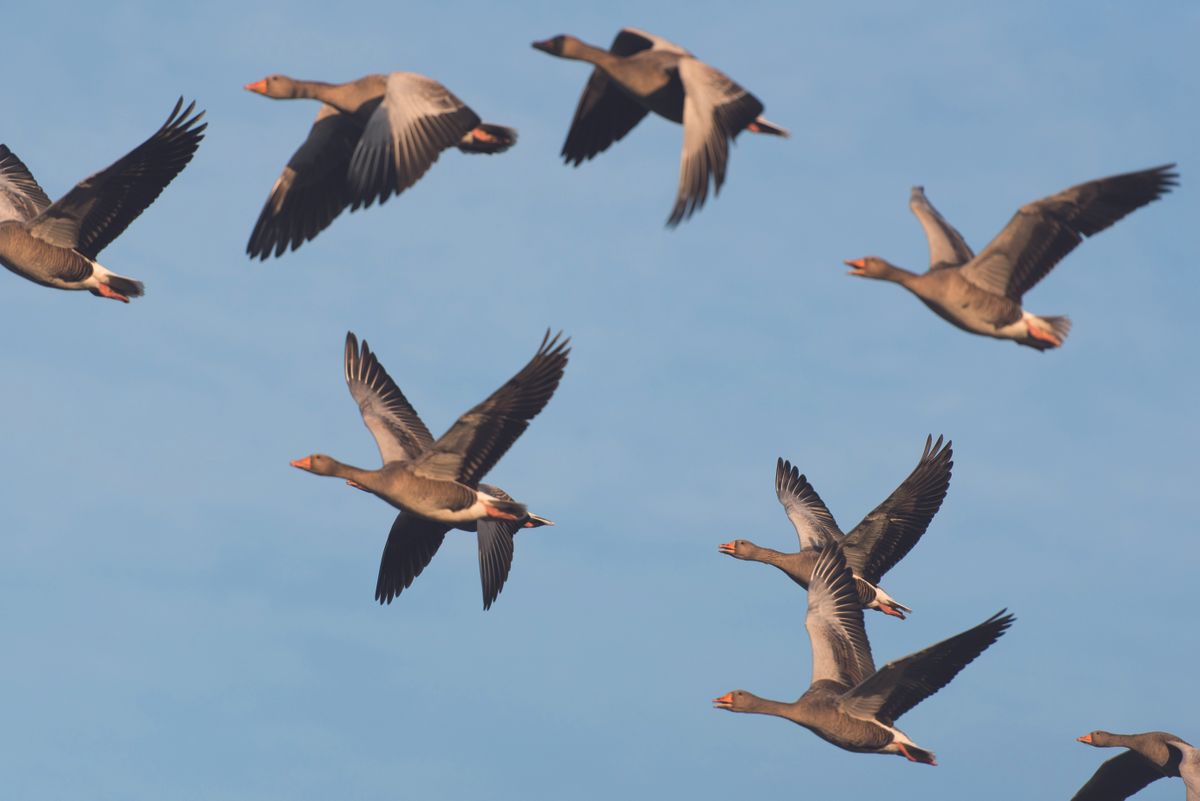
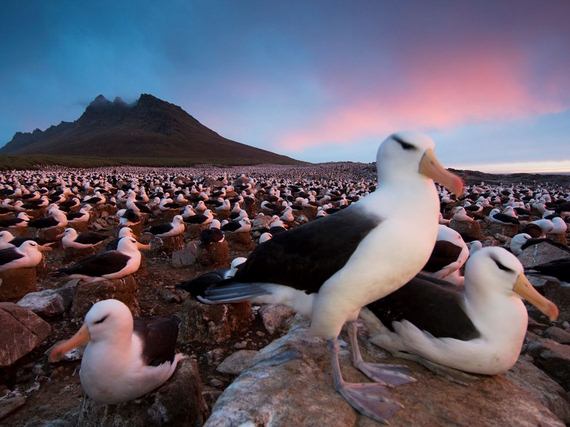

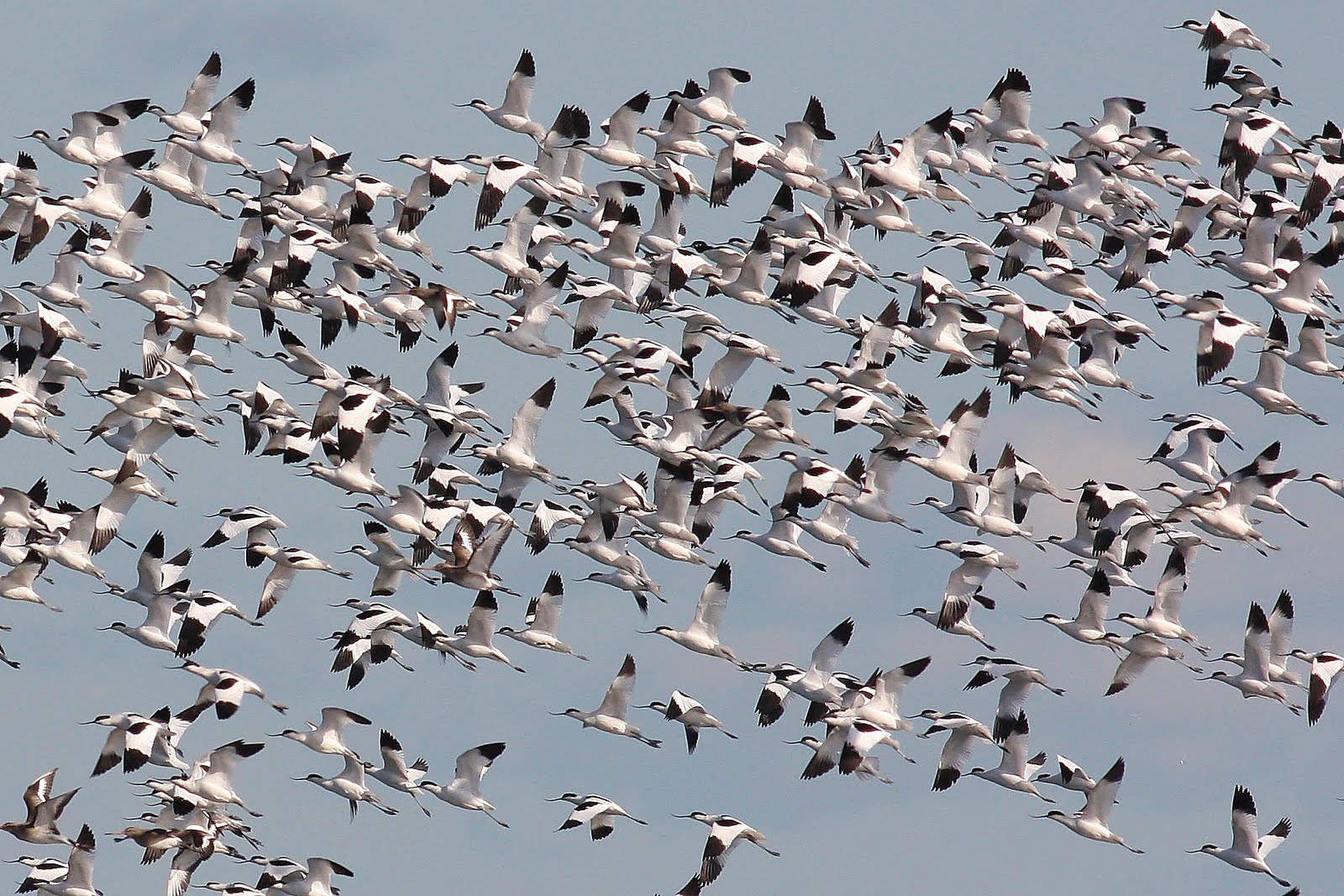
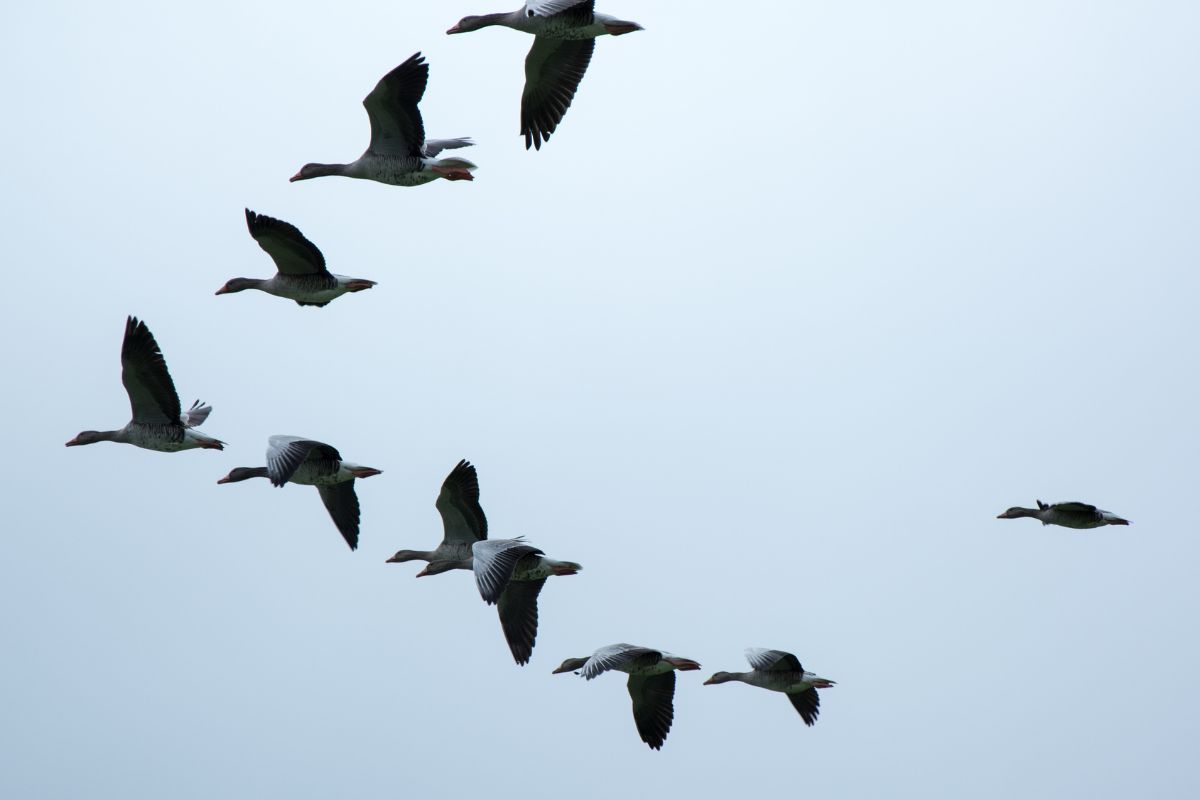
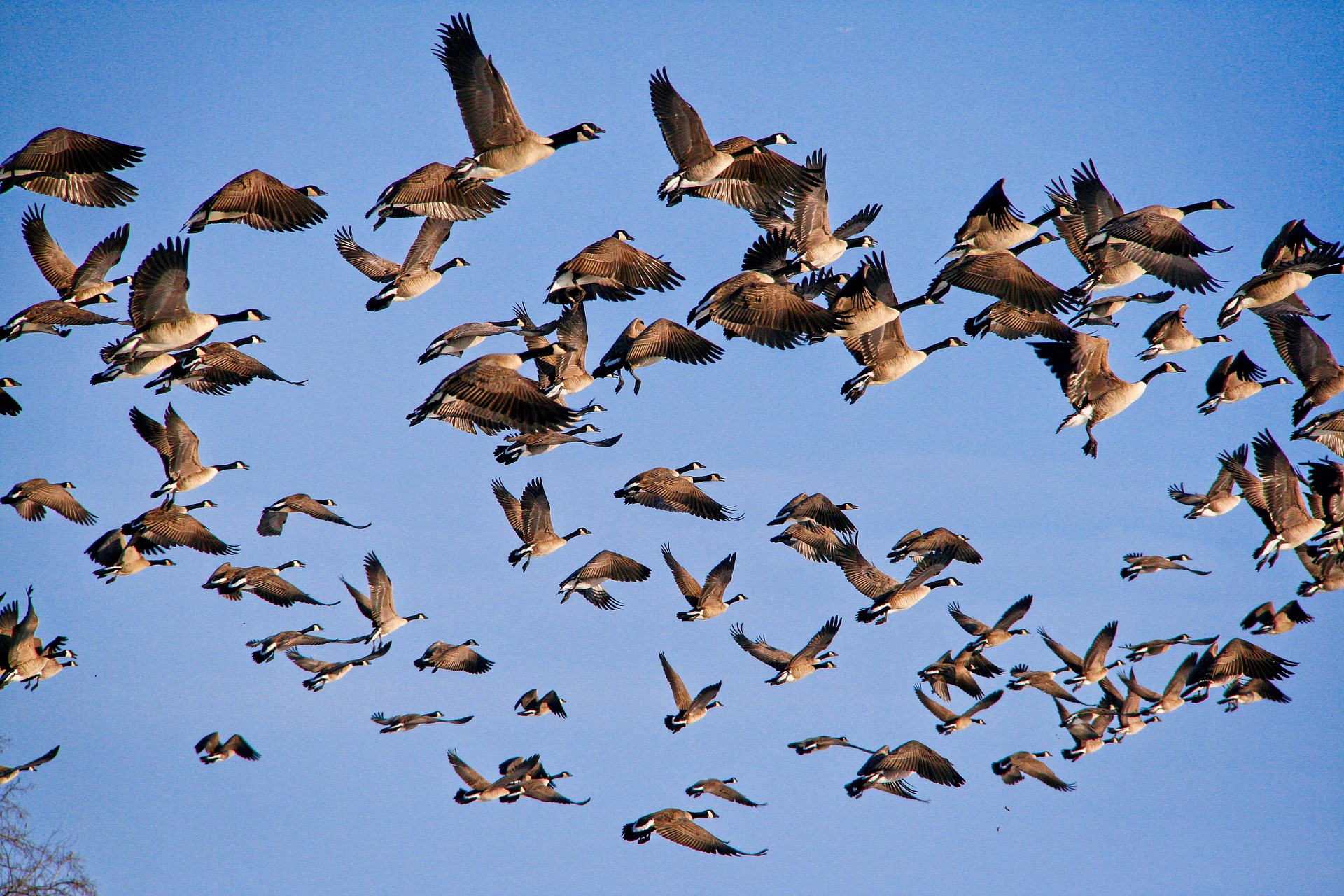



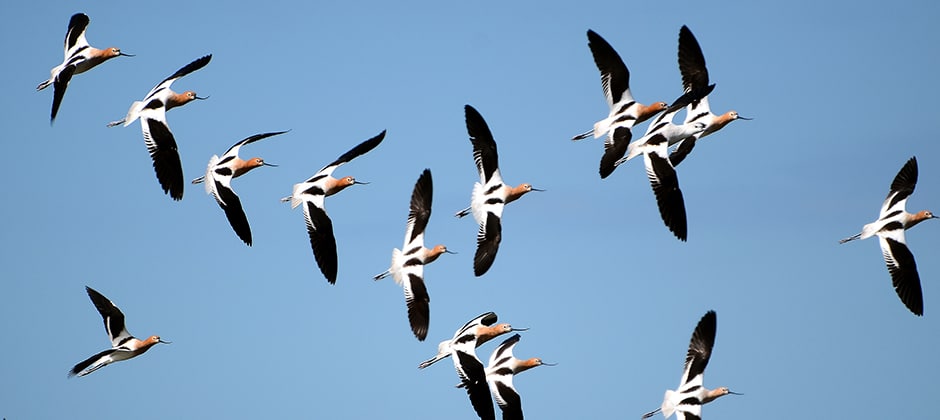
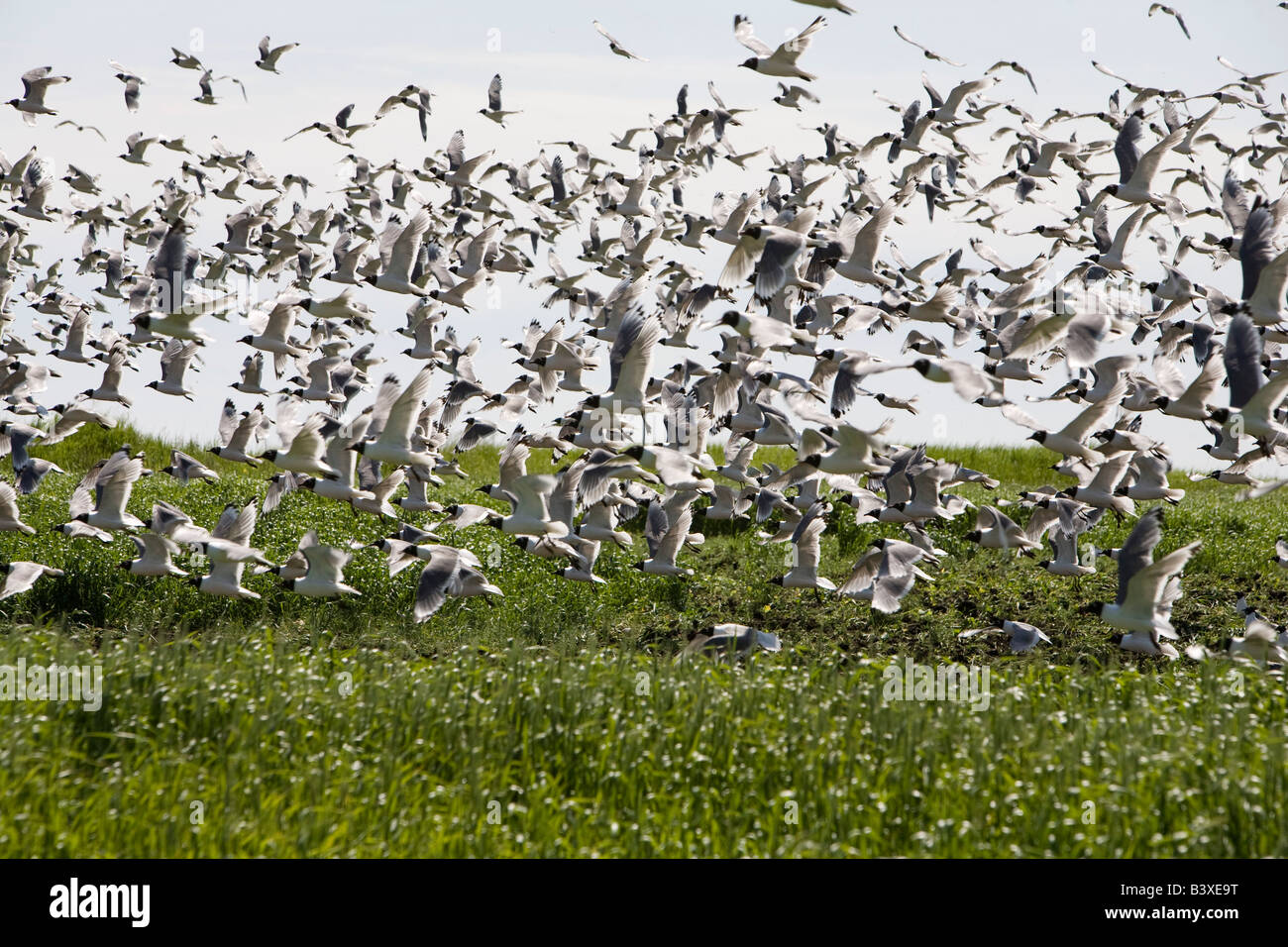


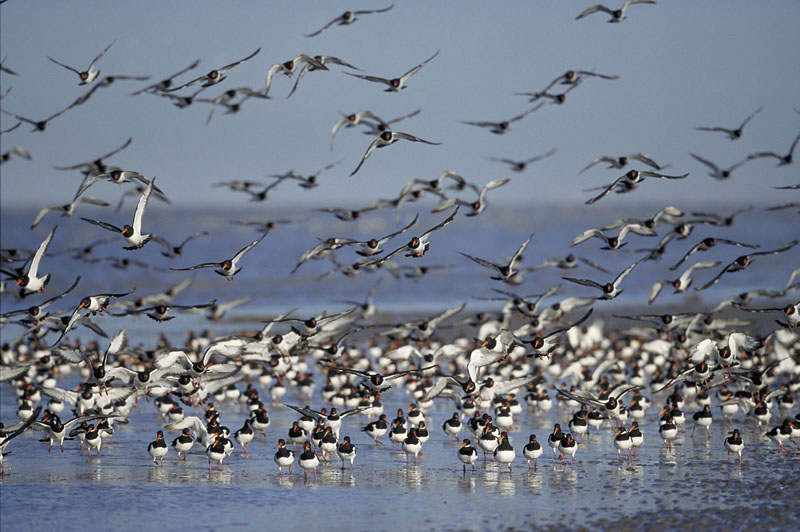


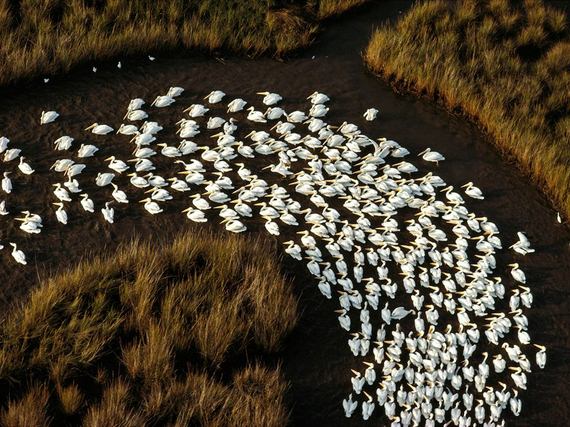

Birds are fascinating creatures, and one of their most intriguing behaviors is their tendency to flock together. Flocking behavior can be observed in birds of all shapes and sizes, from tiny hummingbirds to giant pelicans. But why do they do it? In this article, we'll explore the various reasons why birds flock and the science behind this behavior.. Flock (birds) Red-billed queleas form enormous flocks—sometimes tens of thousands strong. Starlings flocking, a predator bird can be seen upper right A flock is a gathering of individual birds to forage or travel collectively. [1] Avian flocks are typically associated with migration.