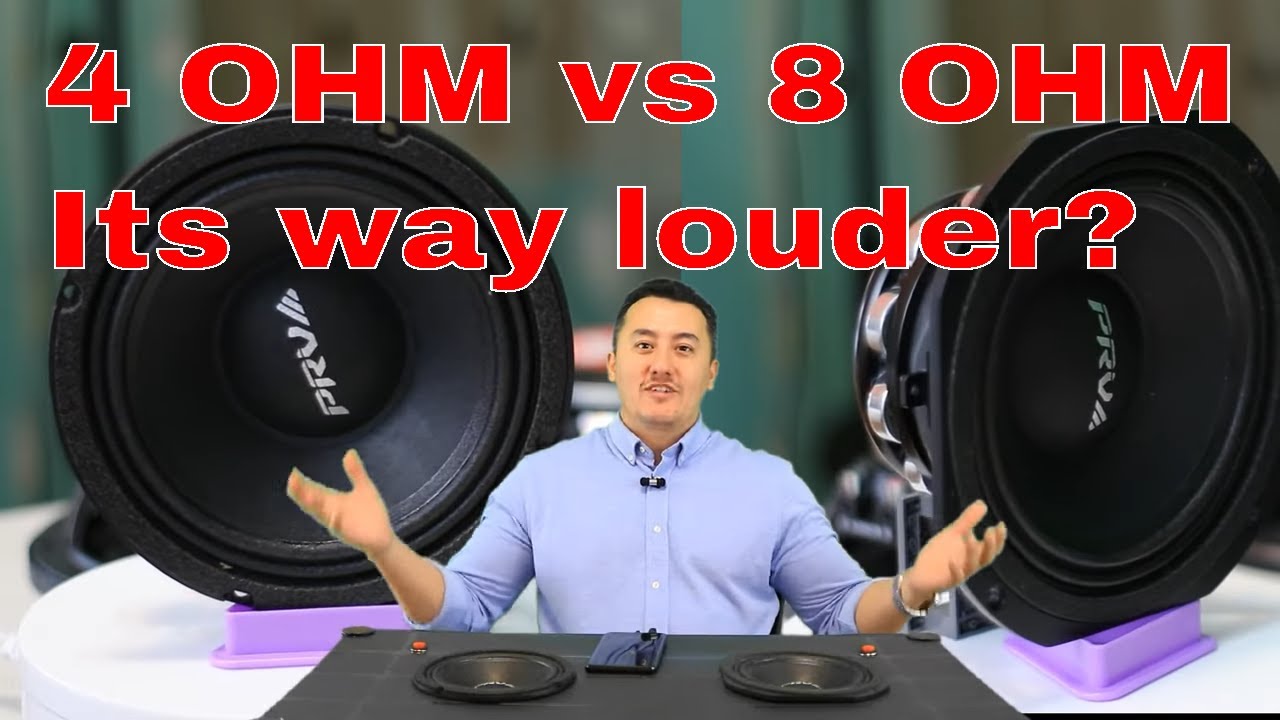
Neither 4 ohm nor 8 ohm speakers are universally better — the right choice depends entirely on your amplifier's minimum impedance rating, your listening environment, and how you plan to wire your system. Match the speaker's impedance to your amplifier's capability first, then consider your use case and configuration. What…. Learn about the differences between 4 ohm and 8 ohm speakers, including power handling, impedance, compatibility, and the pros and cons of each option.
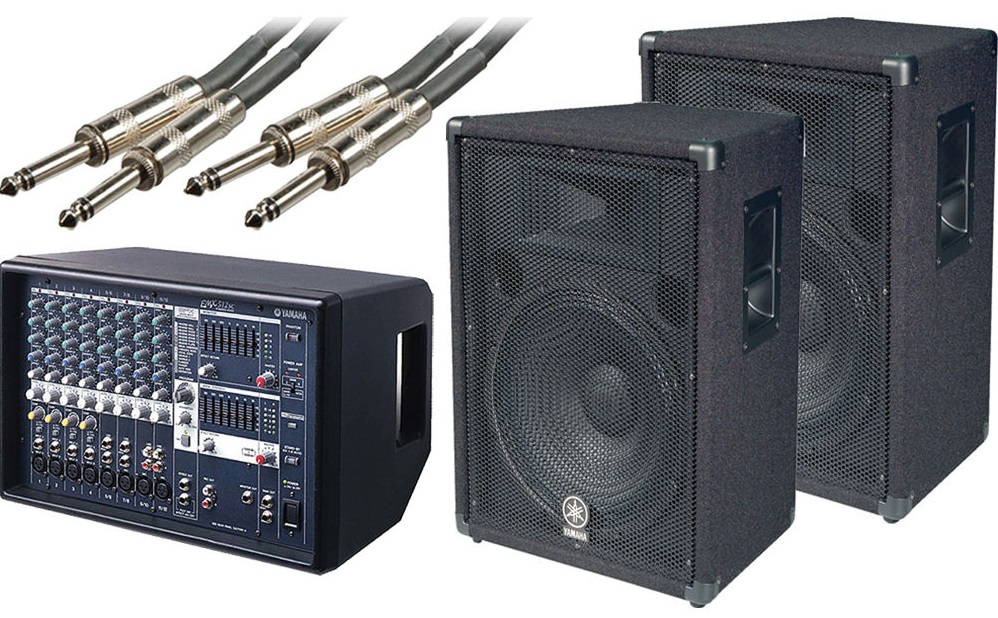

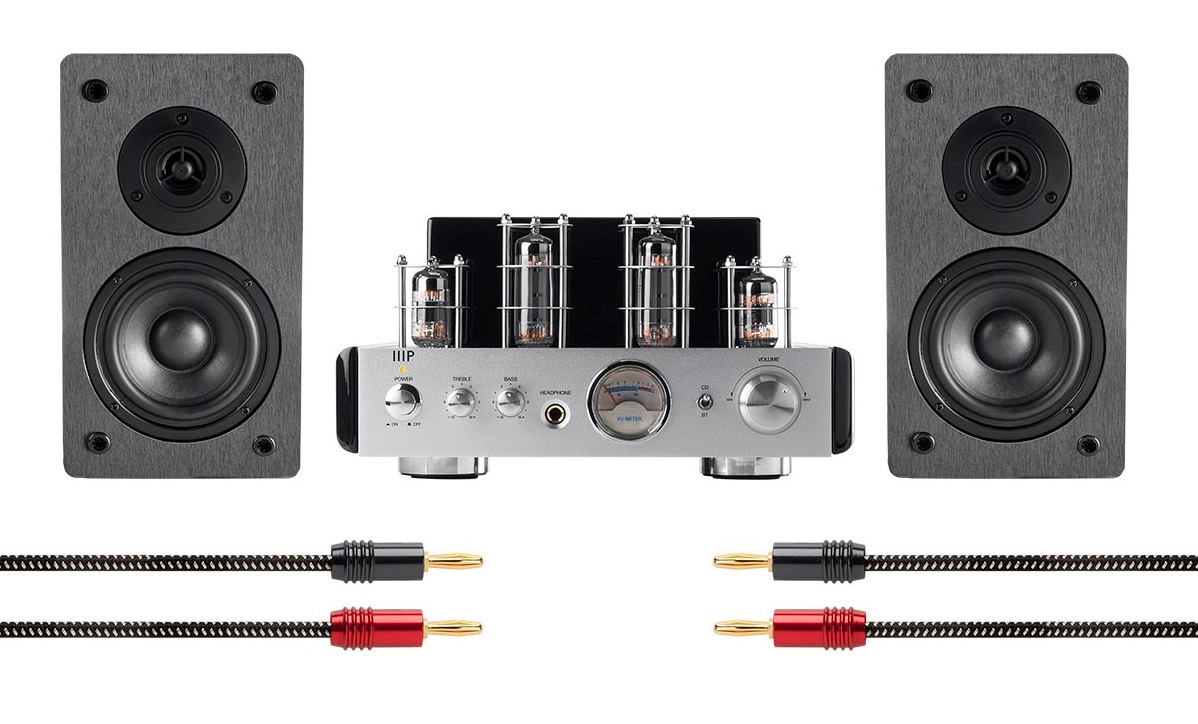


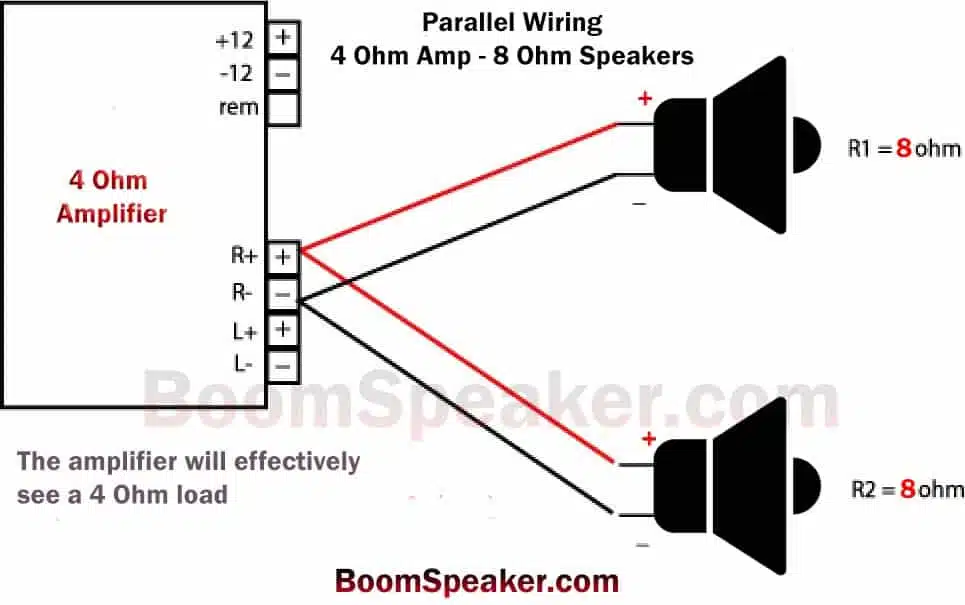


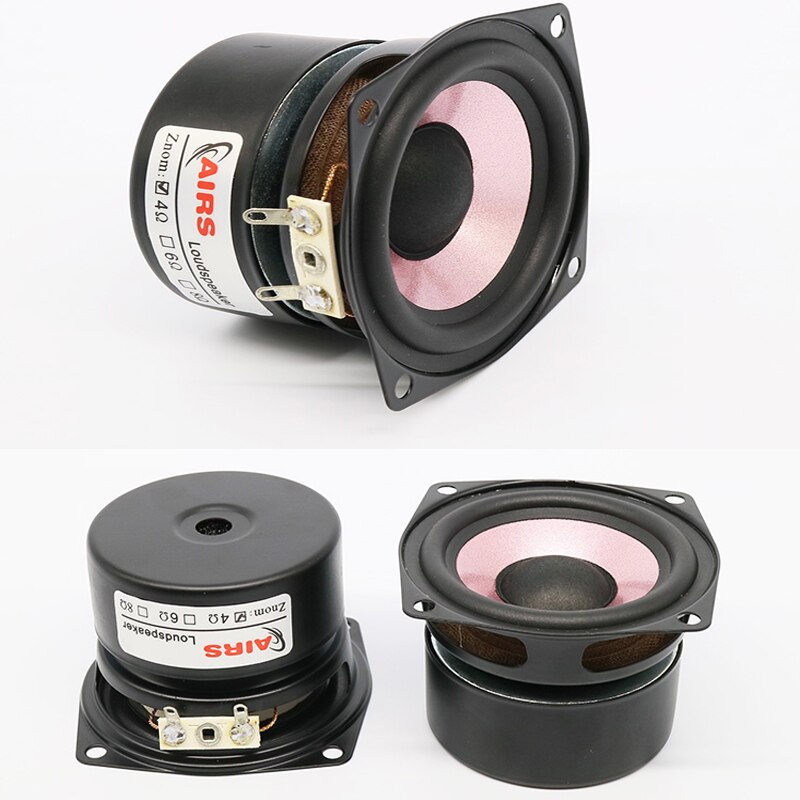
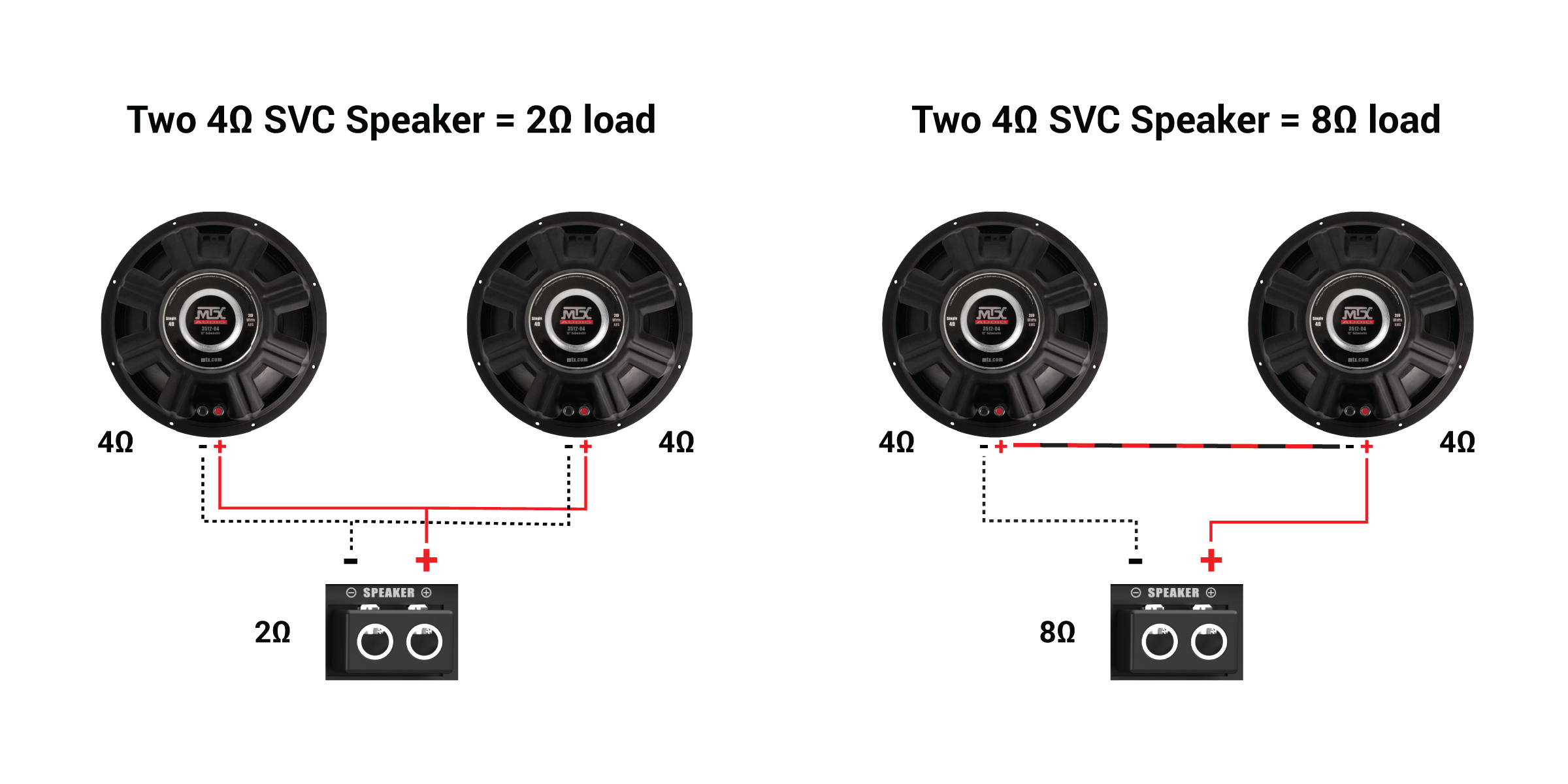

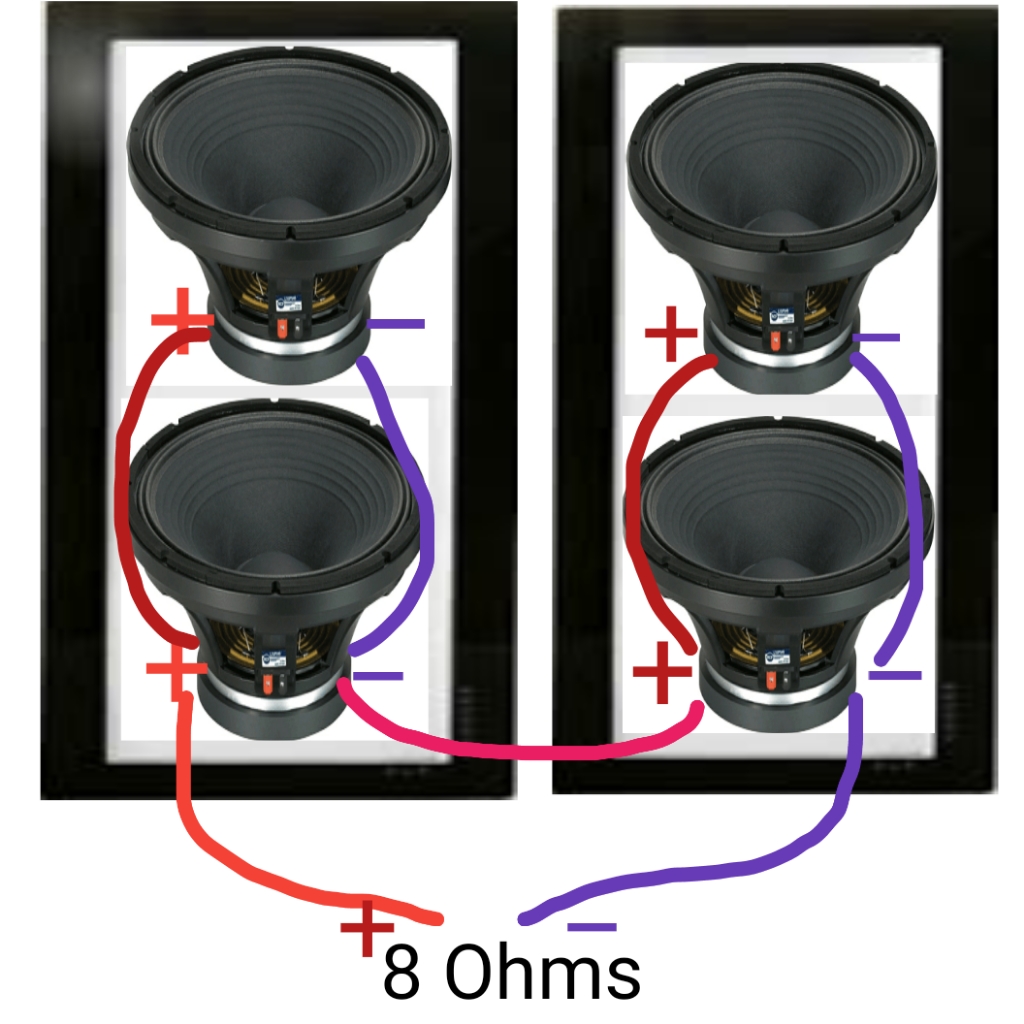



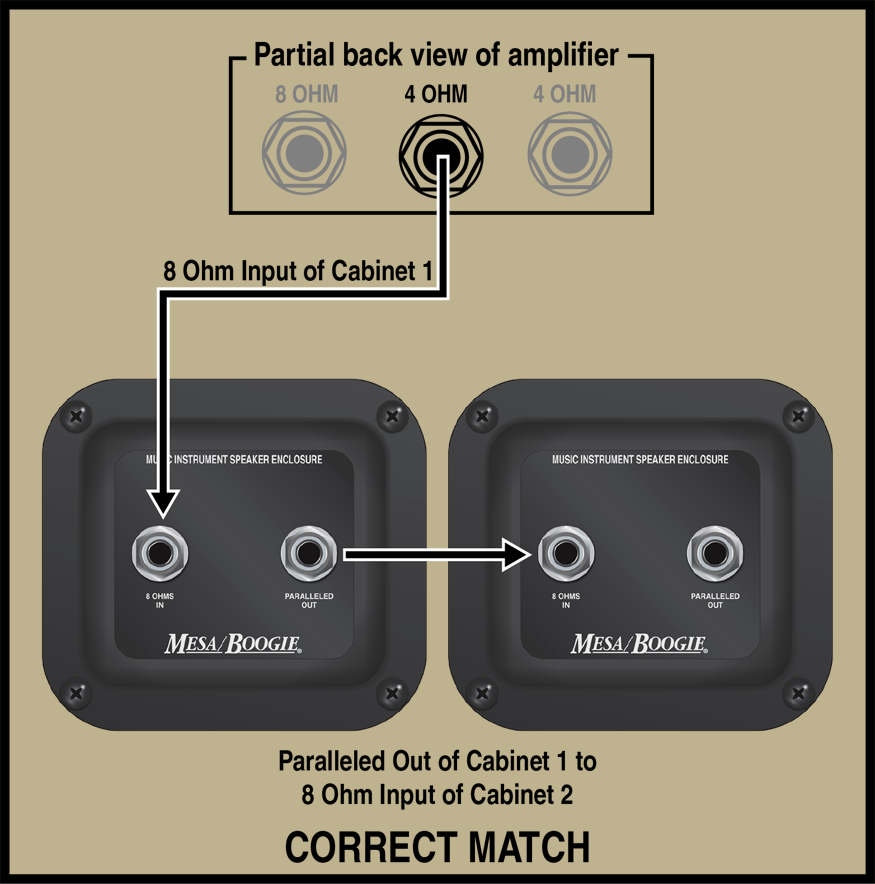

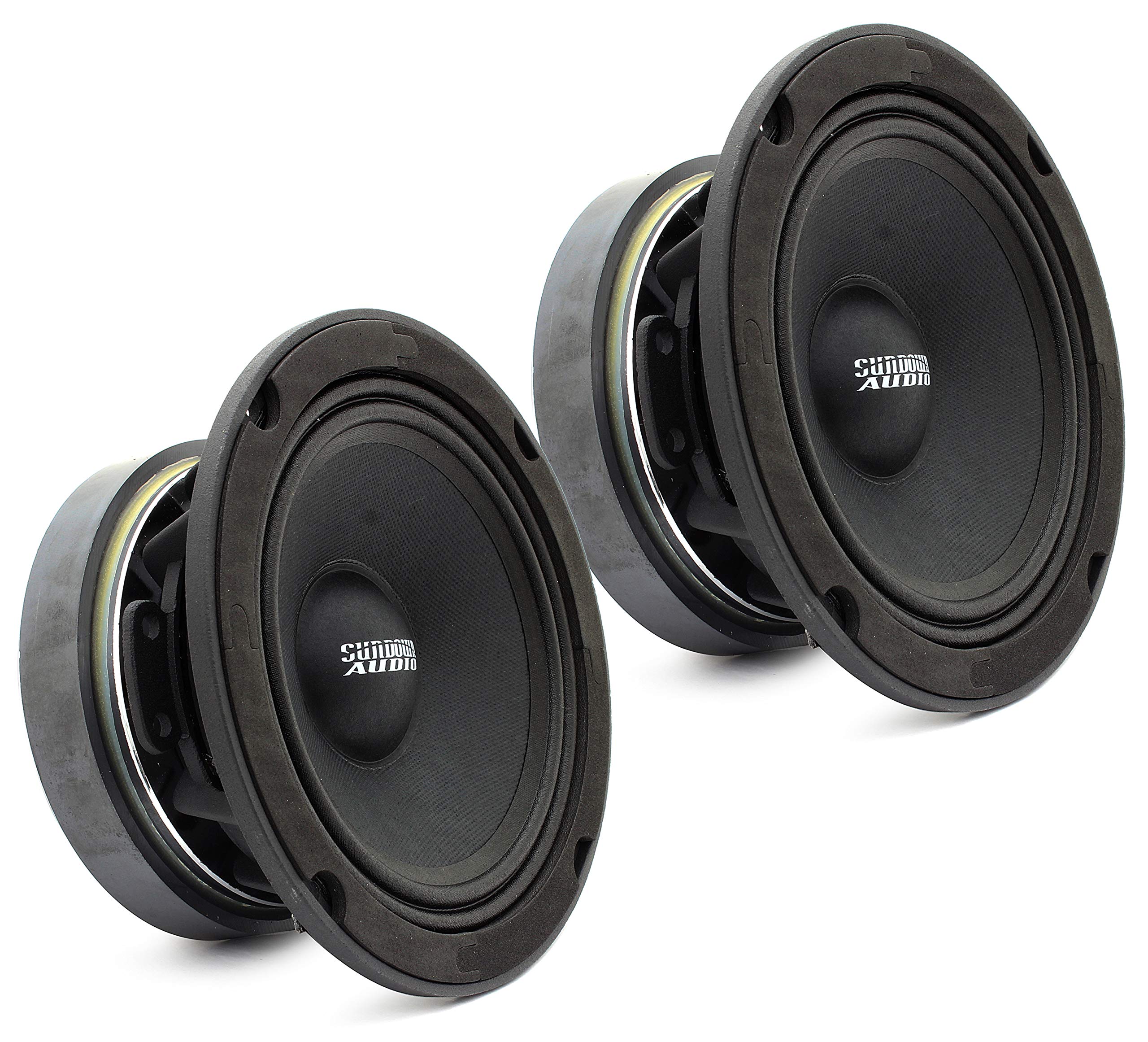

In the world of audio systems, the impedance matching between speakers and amplifiers is crucial to ensure optimal performance and prevent any damage. One common question that arises is whether it is possible to connect 4 ohm speakers to an 8 ohm amplifier without encountering any problems. This quick guide aims to shed light on this topic and provide clarity on the compatibility of such a.. Using 4-ohm speakers with an amplifier rated for 8-ohm loads is one of the most common audio mistakes—yet also one of the most misunderstood. Many people assume it's fine because "lower ohms means less resistance," but the reality is more complicated. The mismatch can cause stress, overheating, or even amp failure if not handled properly. This guide breaks down what actually happens.