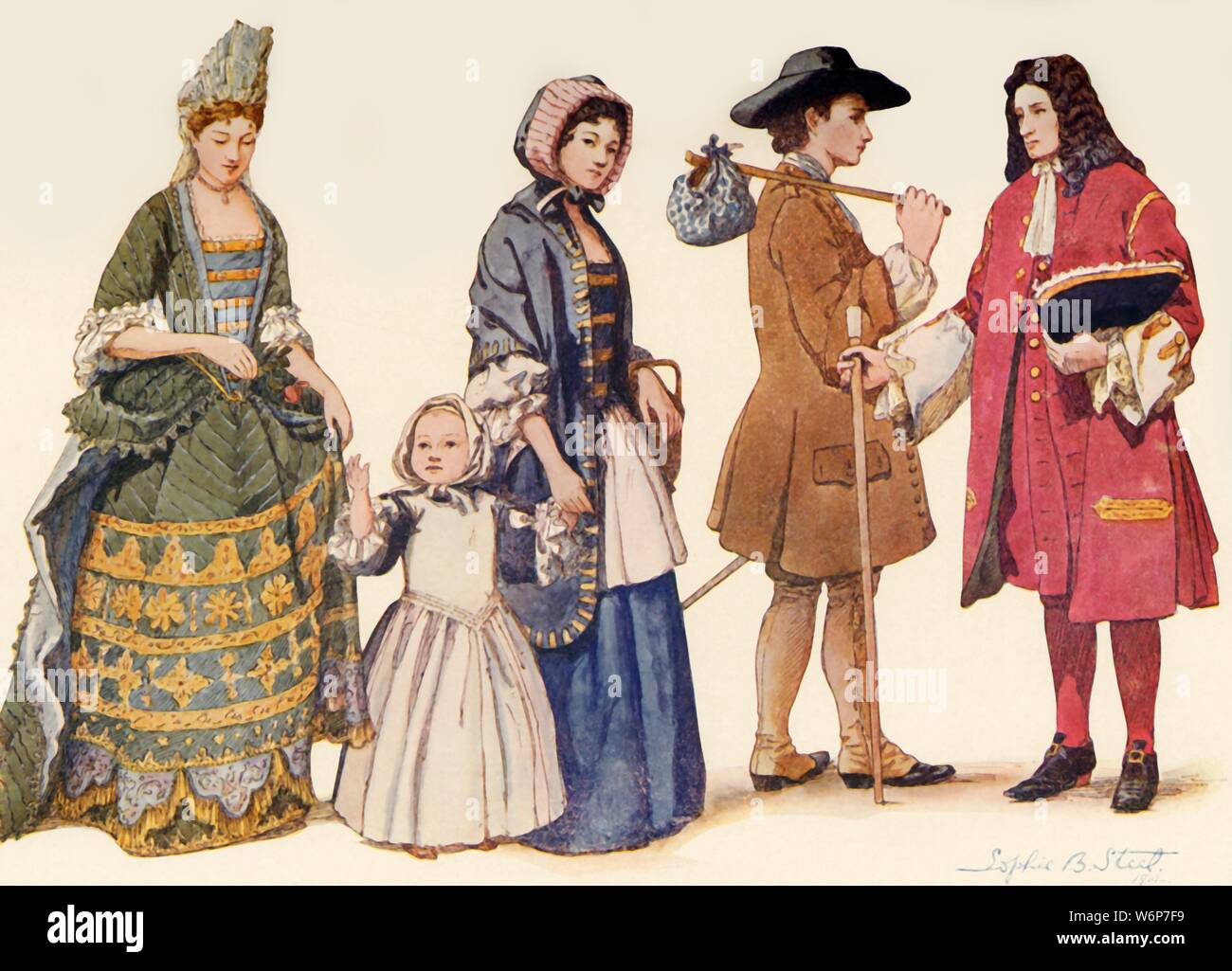
It evolved through the century. From extravagant gowns in France to practical homespun dresses in America, it told stories of wealth, survival, and identity. 1700's mens fashion showed status, while poor 1700's fashion revealed resilience. The next time you watch a film set in this era or step into a museum, look closely.. Dress Up: What Did People Wear? See, hear, and learn what American men, women and children wore at different times in the past. 1600s Wôbanaki Men's Clothing from 1660
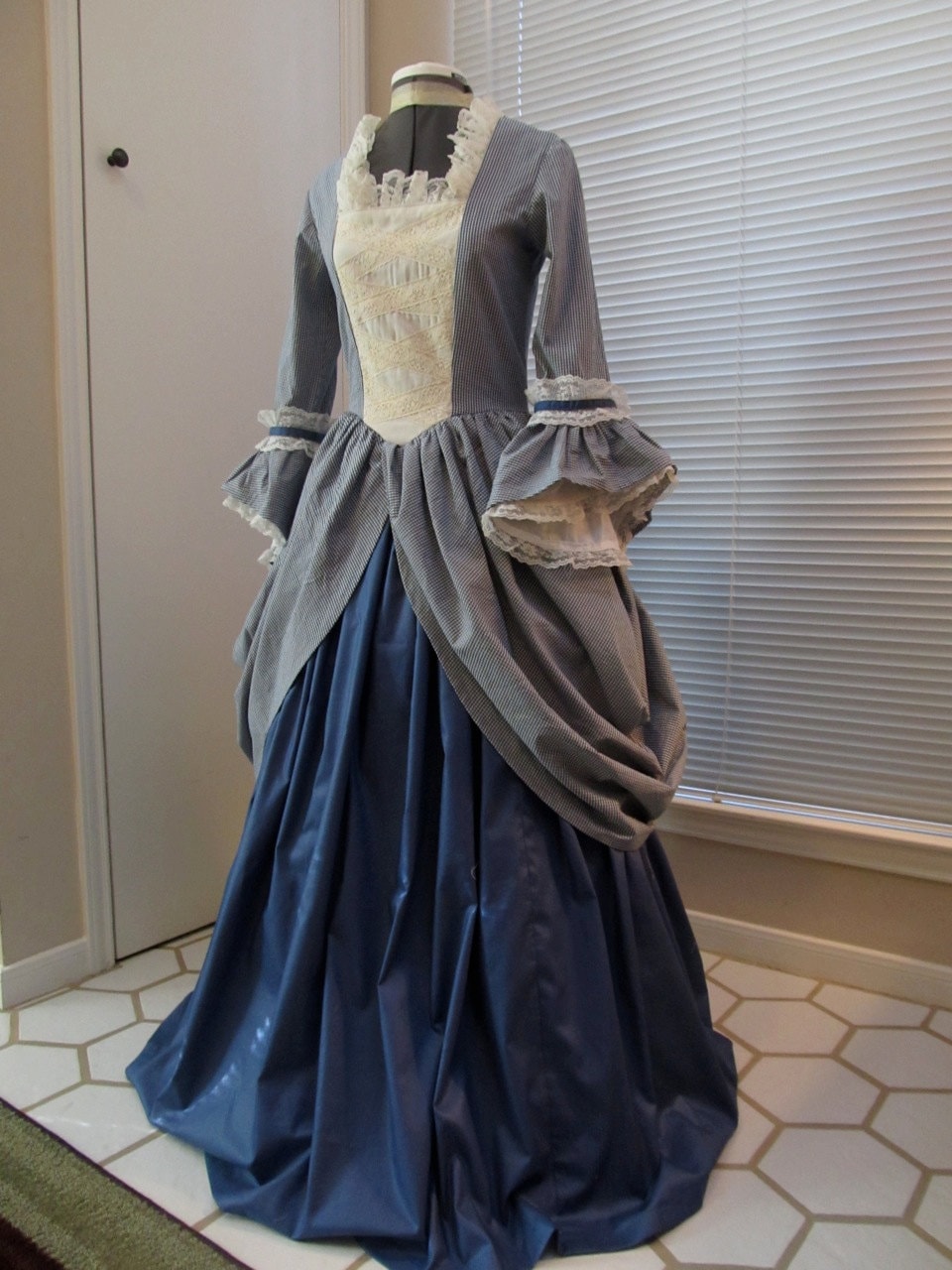


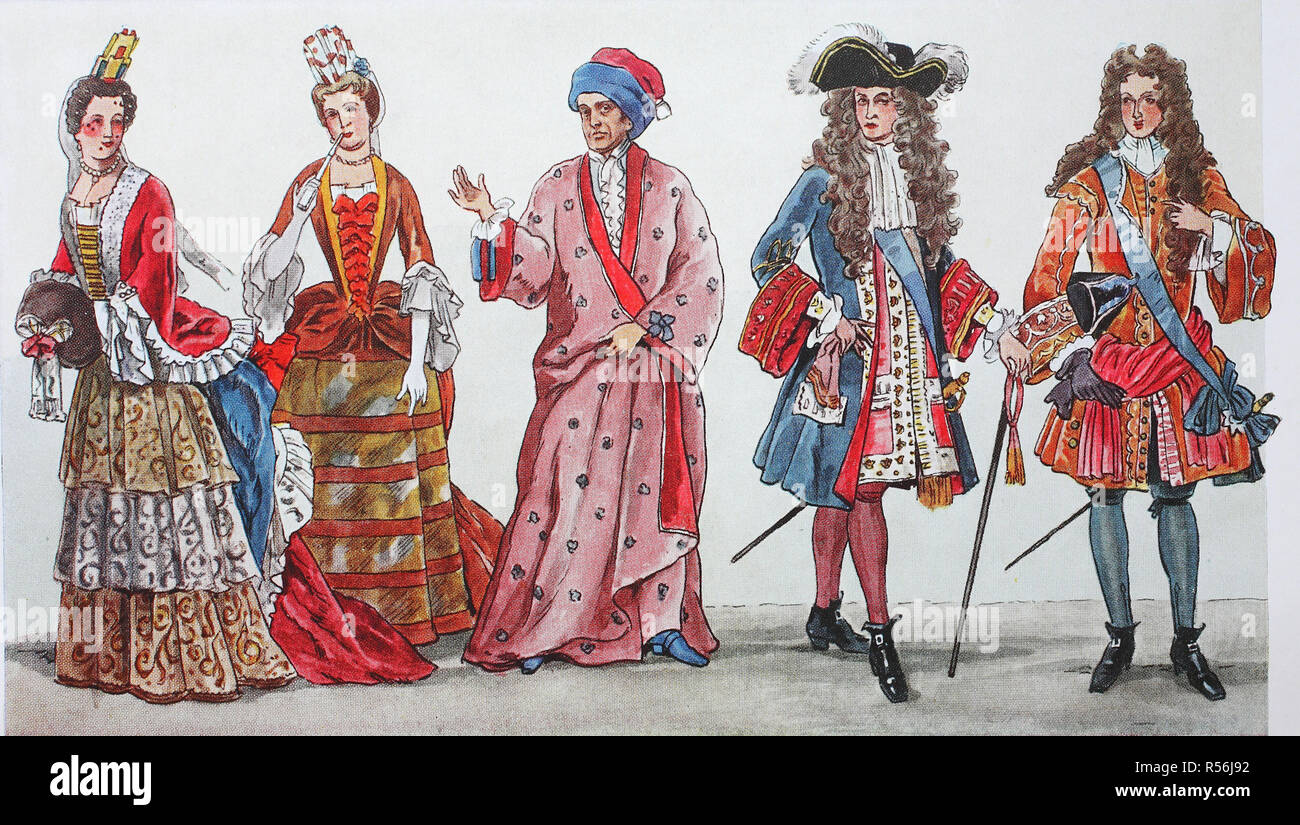


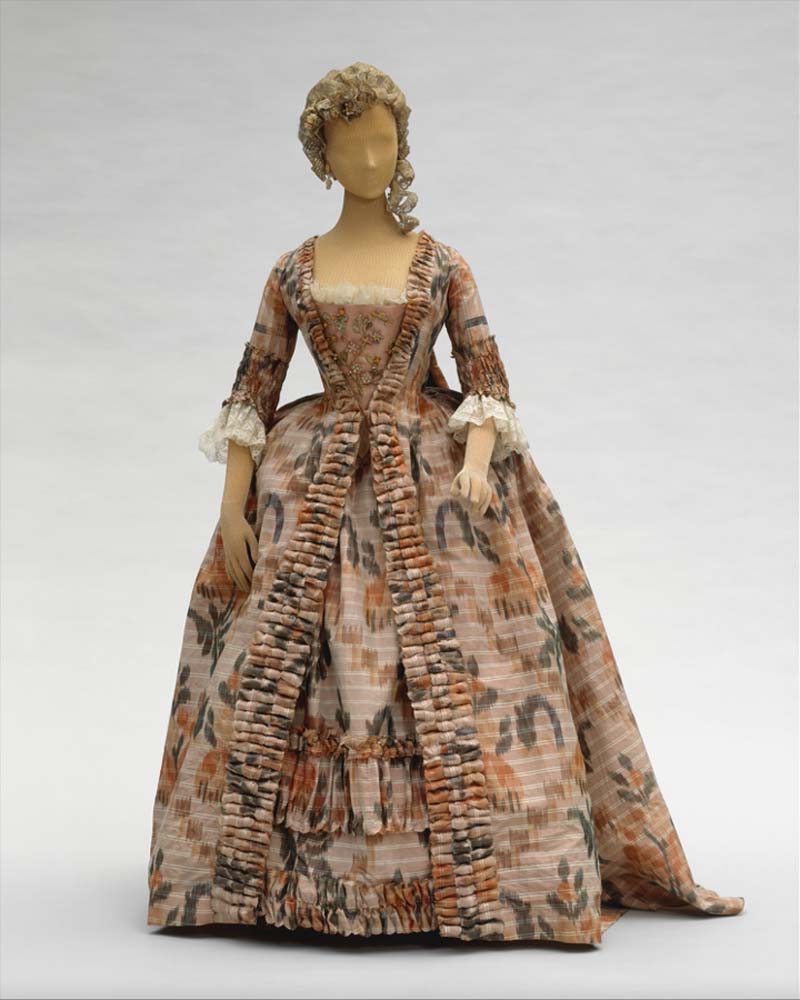


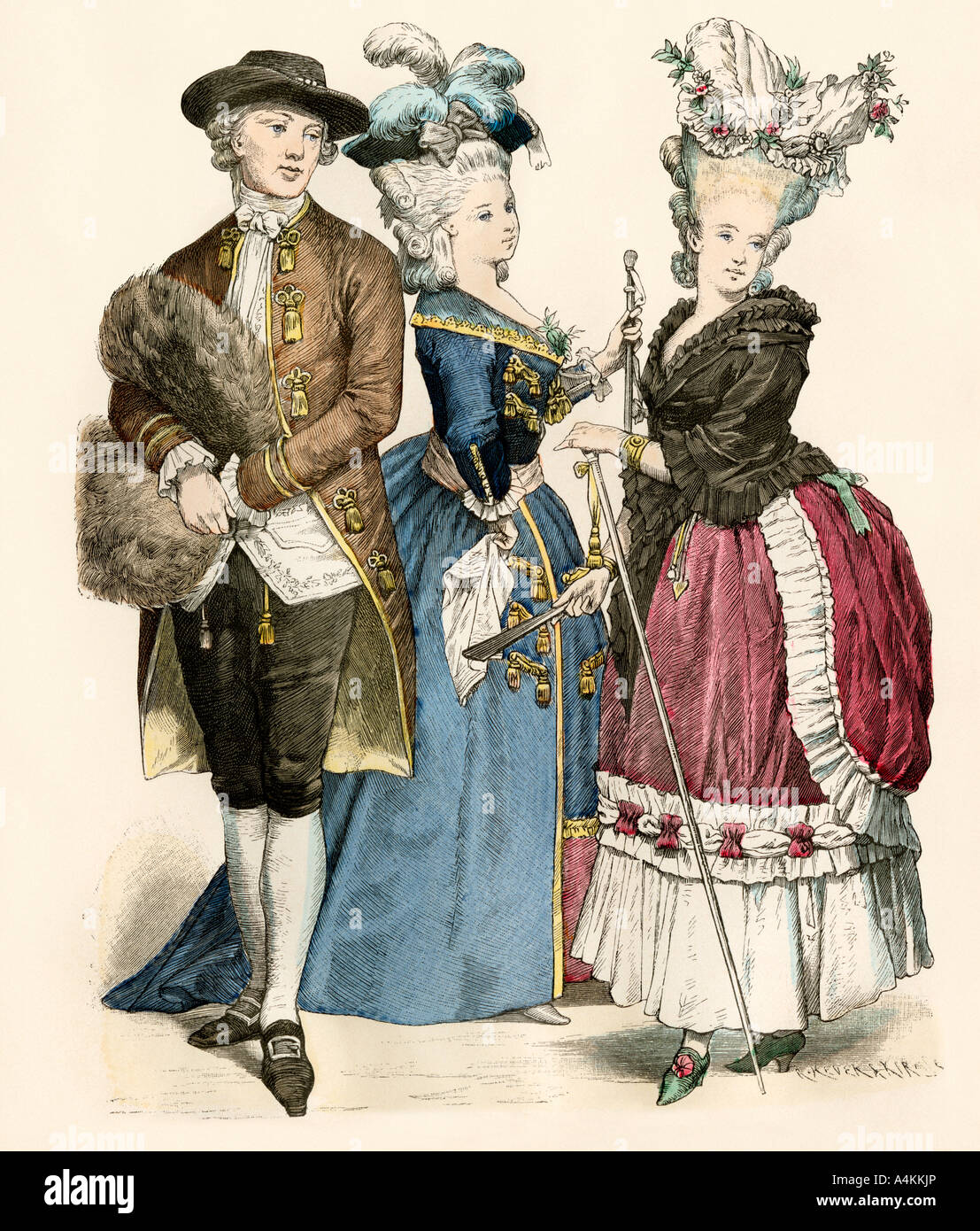


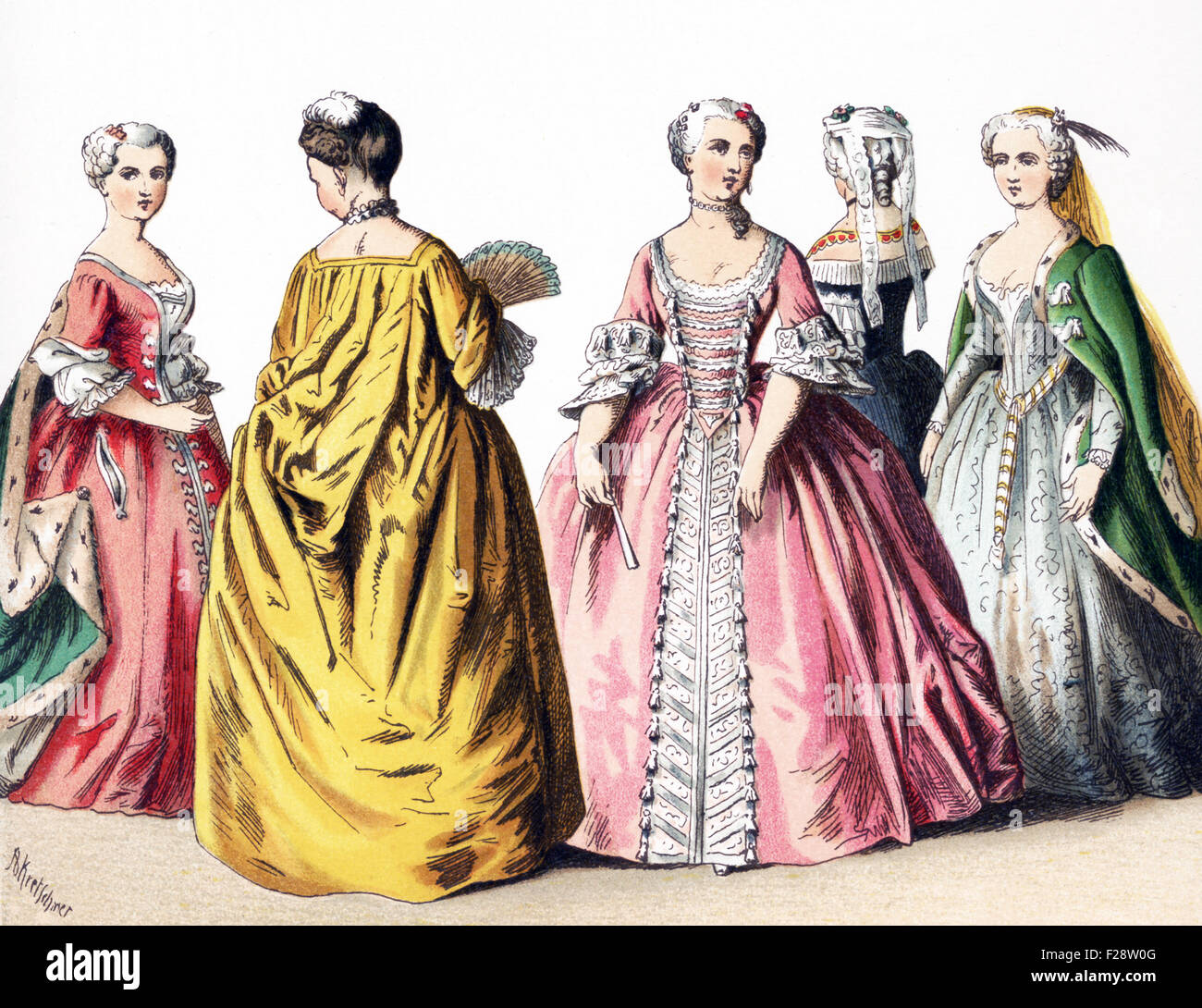
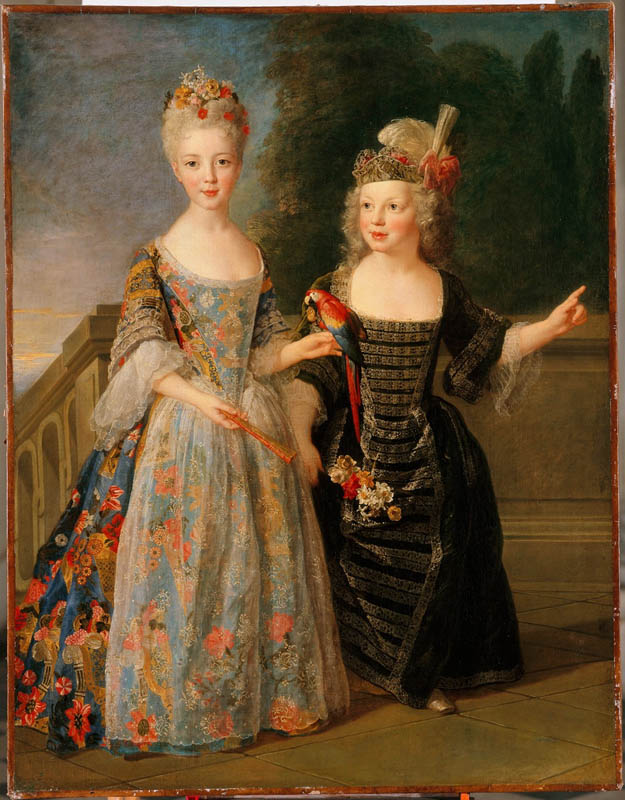
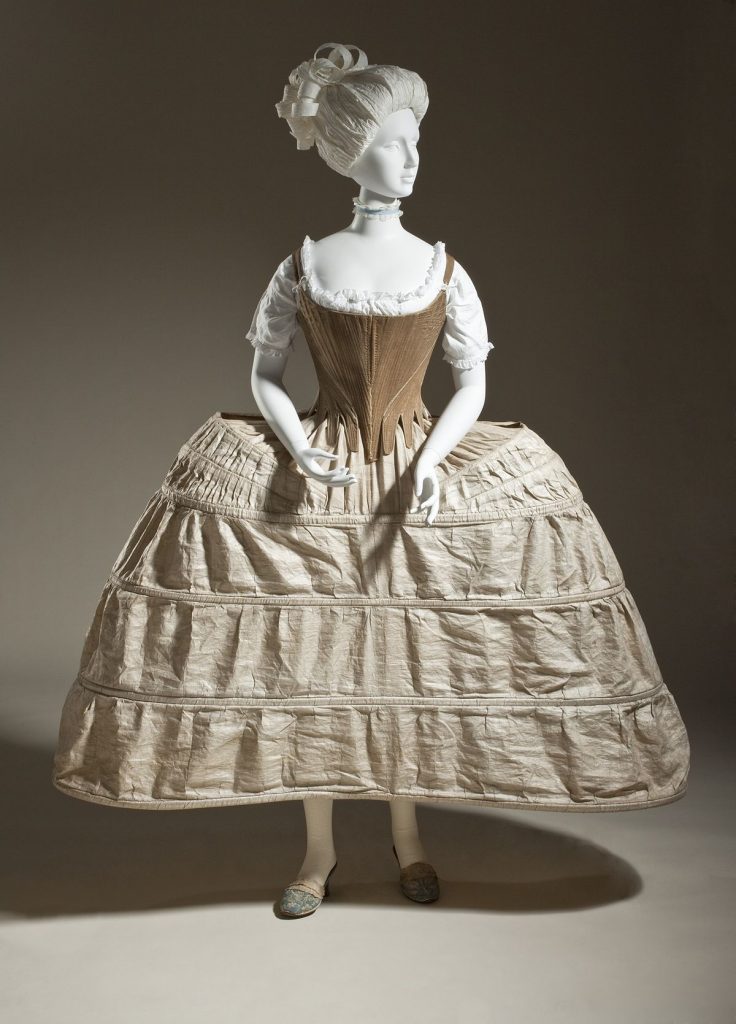
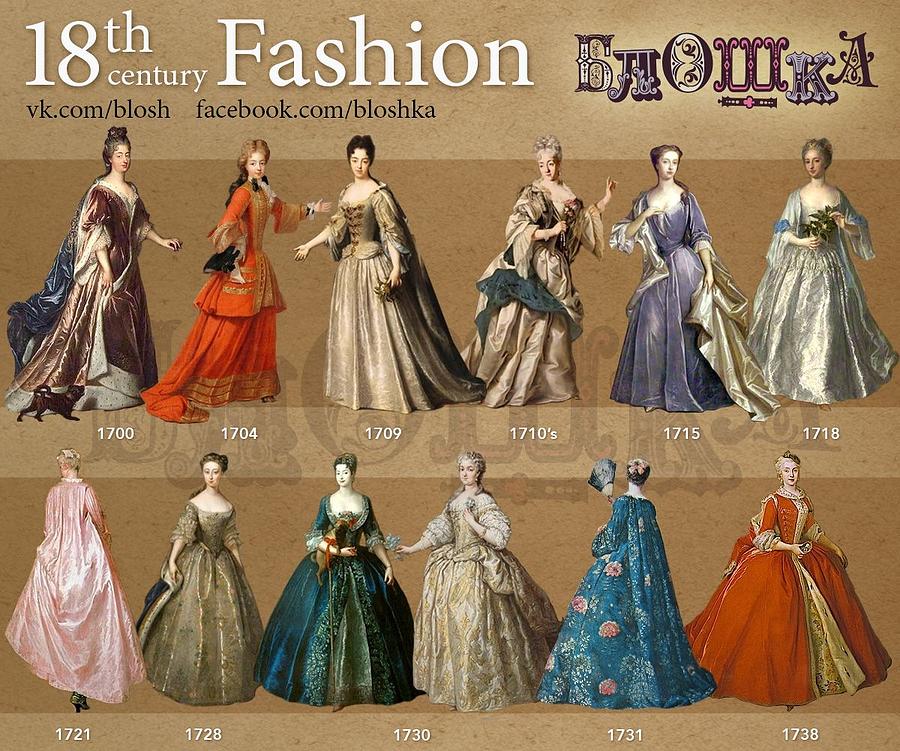
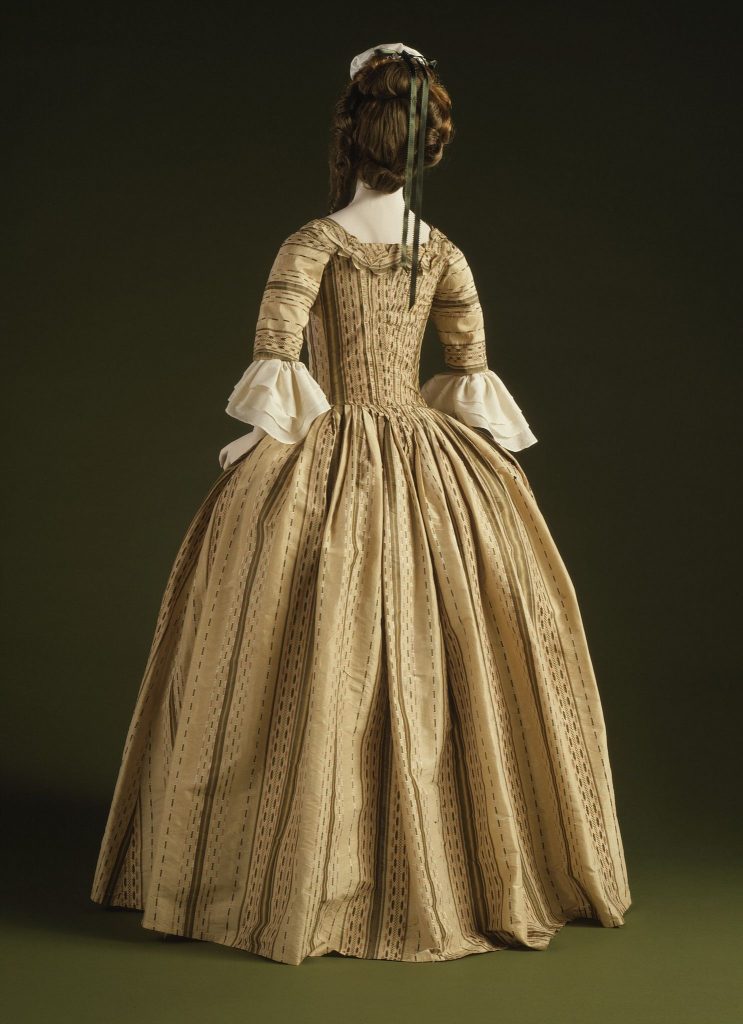
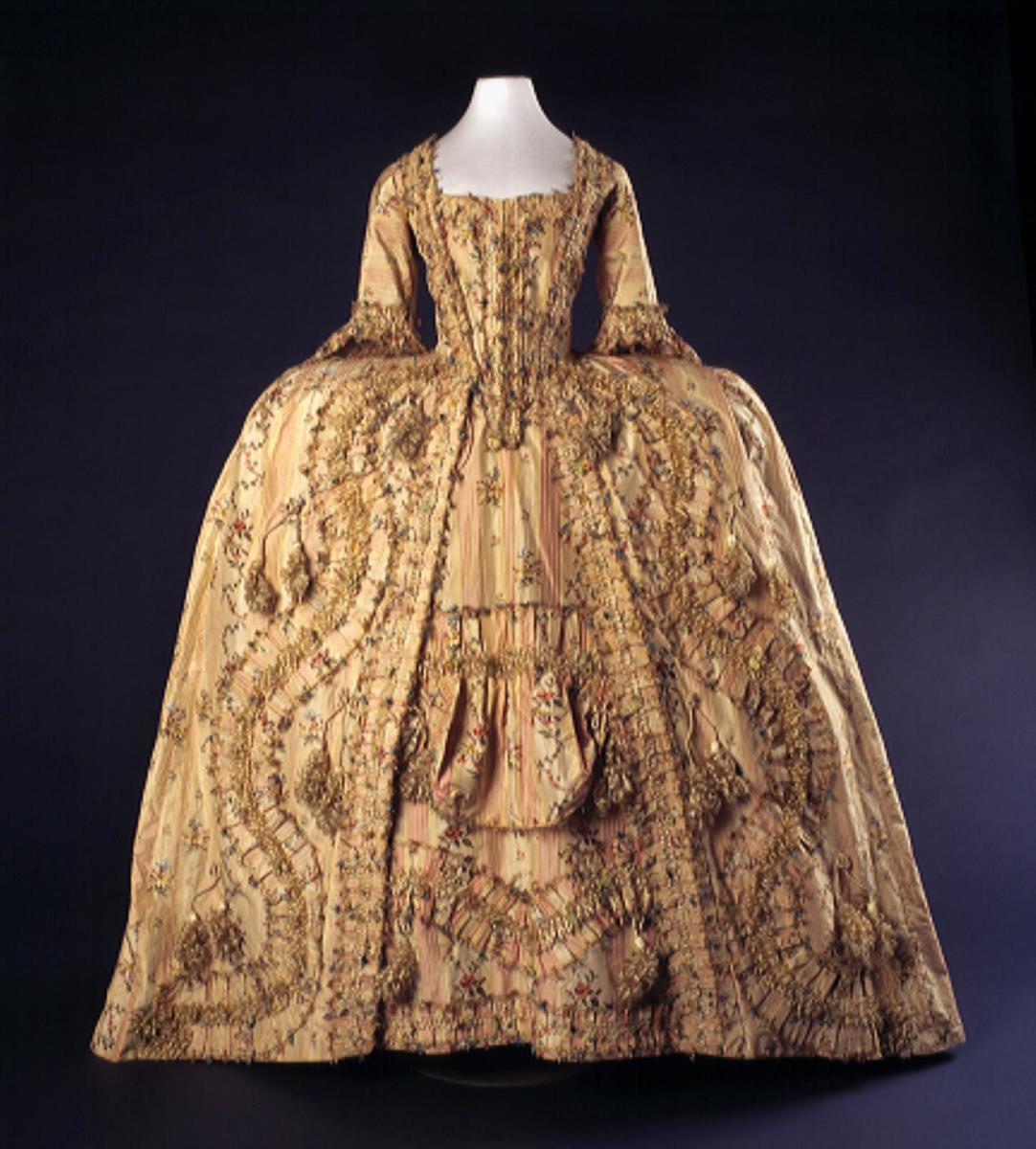


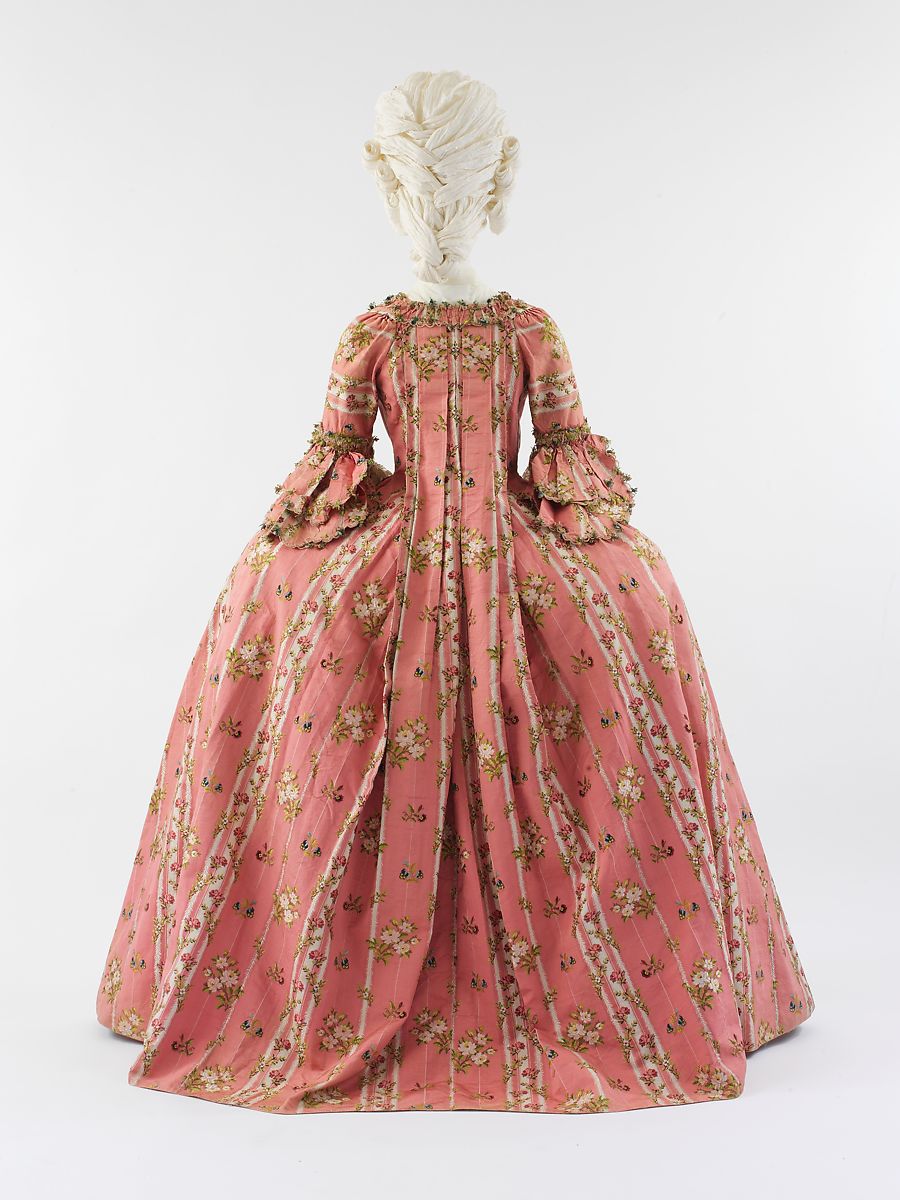
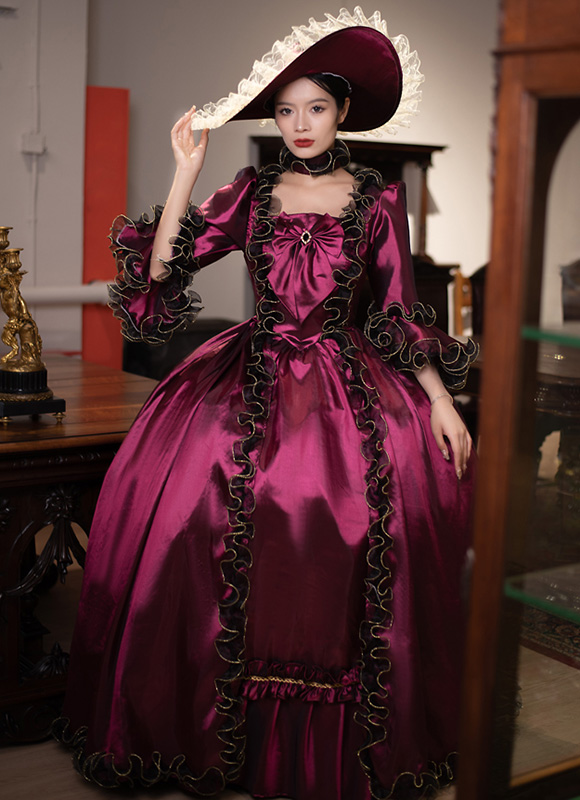
T he 1770s marked a transition in men's and women's dress, particularly for daywear. The growing popularity of what had previously been considered informal styles along with the increasing use of wool, cotton, and plain, lightweight silks changed the look of masculine and feminine attire towards greater simplicity. For men, the overall line of the three-piece suit became slimmer with the.. Early Clothing; 1700-1900; Civil War Costume The earliest clothing was likely made of leaves, fur, and leather and worn primarily for protection from the elements. This section includes works on Medieval, Renaissance, and early clothing practices, which varied by region, era, social status and wealth.