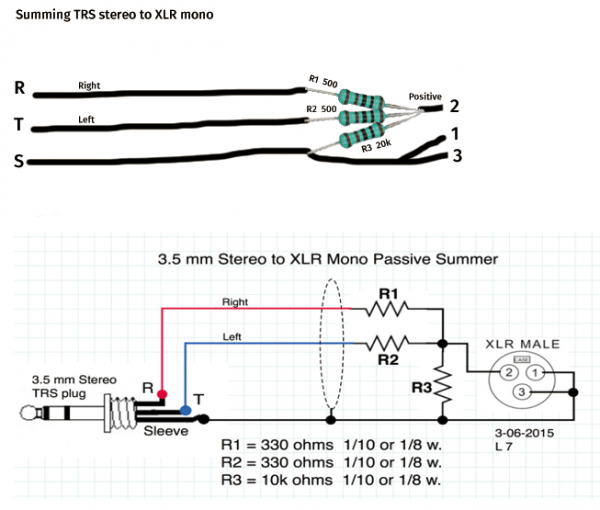
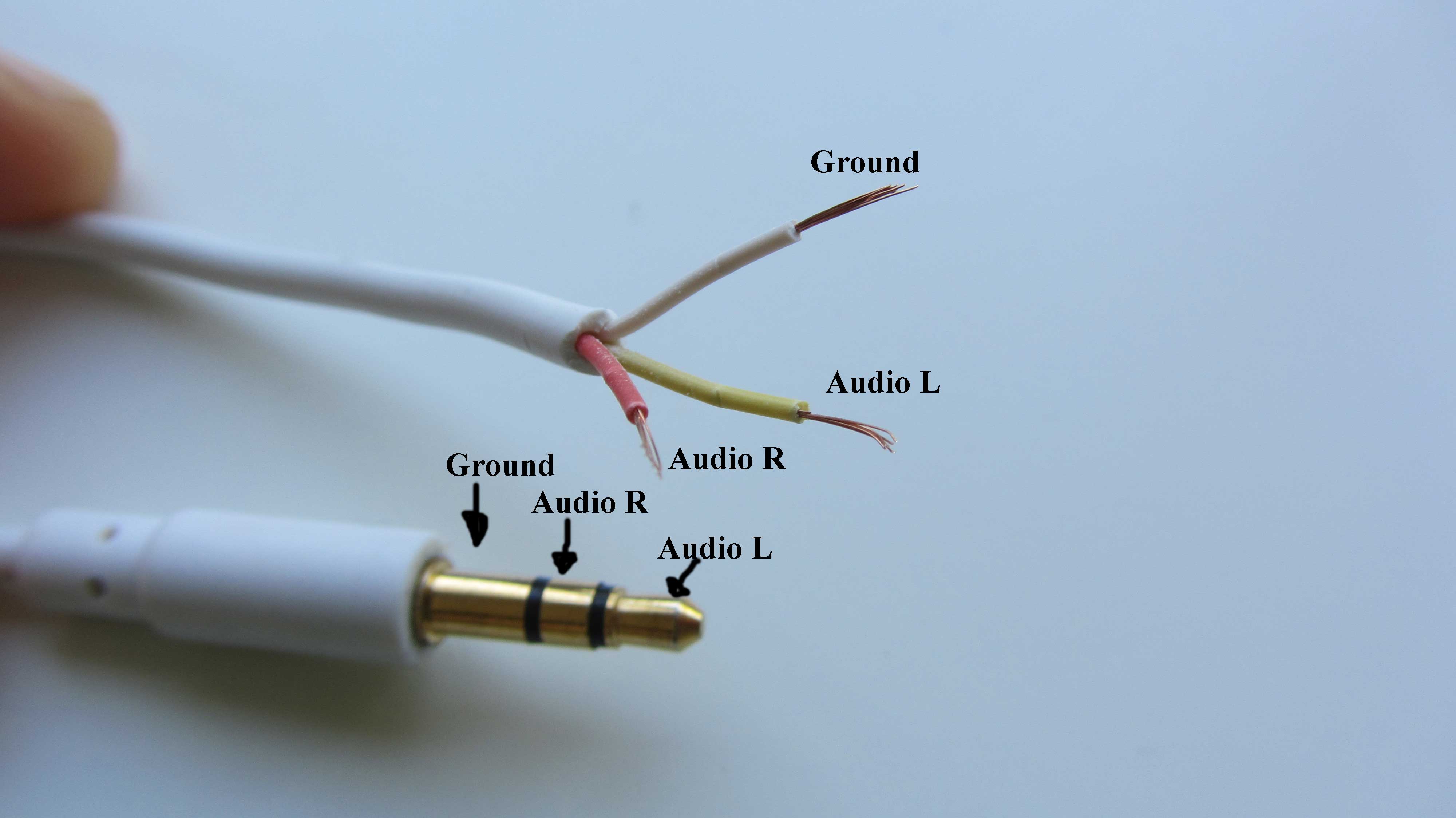
Ideally, since these stereo outputs are two distinct signals, they should be connected to two separate inputs on the receiving device. Since these are unbalanced, appropriate wiring practices prevail with regard to wiring the balanced inputs, covered in other numerous KB articles and application guides.. It seems to reduce the output slightly. I want to use this circuit where I take the stereo output from a laptop computer or other typical consumer device, and convert the stereo signal to mono to feed an audio mixer where I'm only using one output to feed a mono amplifier/speaker system.







![[DIAGRAM] Sum In Wiring Diagram Stereo](https://www.seicane.com/media/wysiwyg/37/370983/wiring-diagram-chevrolet-lova-in-car-gps-system-S37CA32_05.jpg "[DIAGRAM] Sum In Wiring Diagram Stereo")




![[DIAGRAM] Sum In Wiring Diagram Stereo](https://www.2carpros.com/images/question_images/203146/original.jpg "[DIAGRAM] Sum In Wiring Diagram Stereo")


![[DIAGRAM] Sum In Wiring Diagram Stereo](https://2020cadillac.com/wp-content/uploads/2019/02/pioneer-car-radio-diagrams-wiring-diagrams-click-pioneer-car-stereo-wiring-diagram.jpg "[DIAGRAM] Sum In Wiring Diagram Stereo")

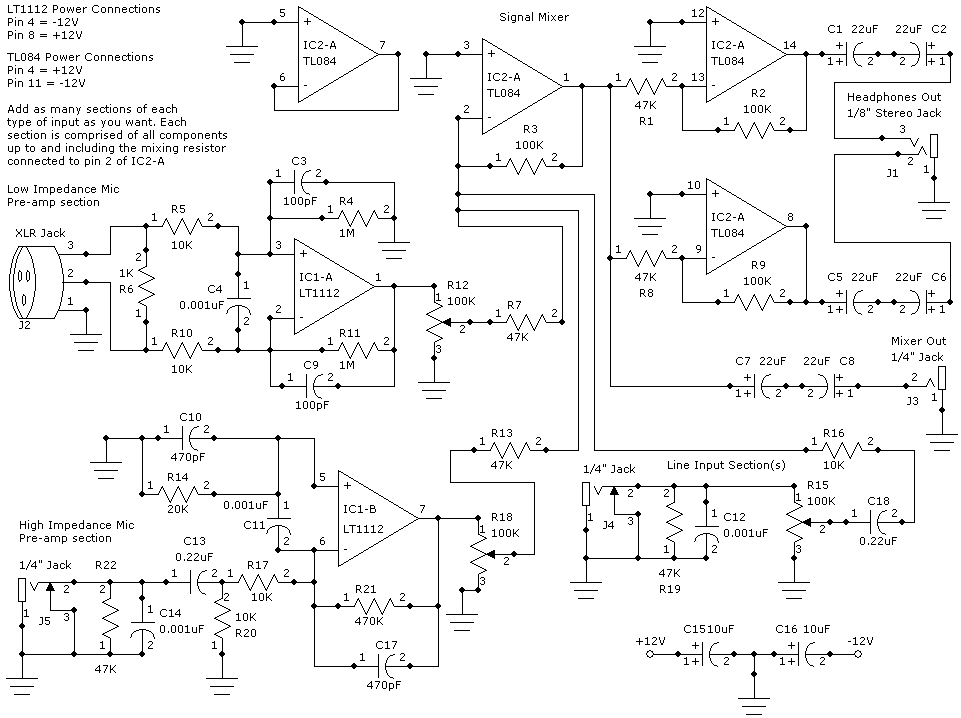
A question for those with some EE understanding/knowledge . . . I'm about to make myself a Stereo-To-Mono (unbalanced) summing cable to ultimately connect one channel of my amp to a single "grotbox" (Auratone-type deal) monitor I've just made. I will be coming out of my Mackie Big Knob Passive with two (L+R) 1/4" TS (unbalanced) male plugs and going into my amp with one (mono summed), male RCA.. In my article, The Stereo to Mono Summing Cable that No One Makes, I described how to build (or buy) a cable that will take a stereo unbalanced signal and sum it to mono for connection to a PA system (mixer, power amp, etc.). You can connect the output end of such a mono-summing cable directly to a regular line 1/4″ line input. If, however, you need a balanced signal for connection to an XLR.