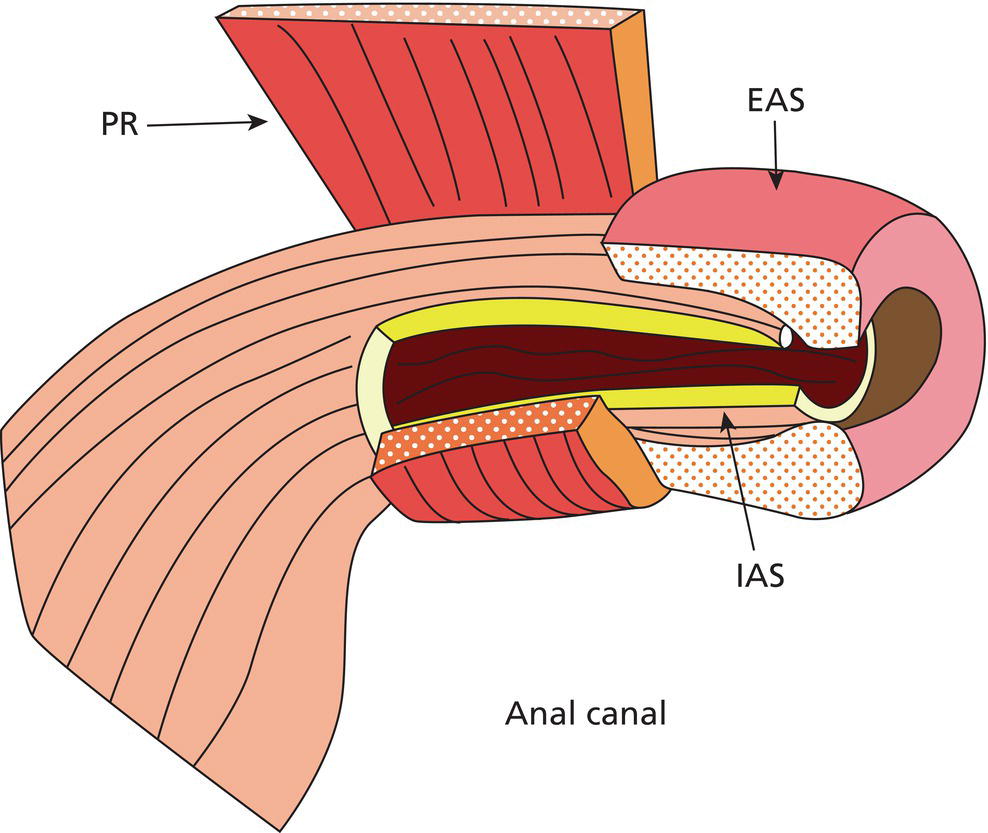
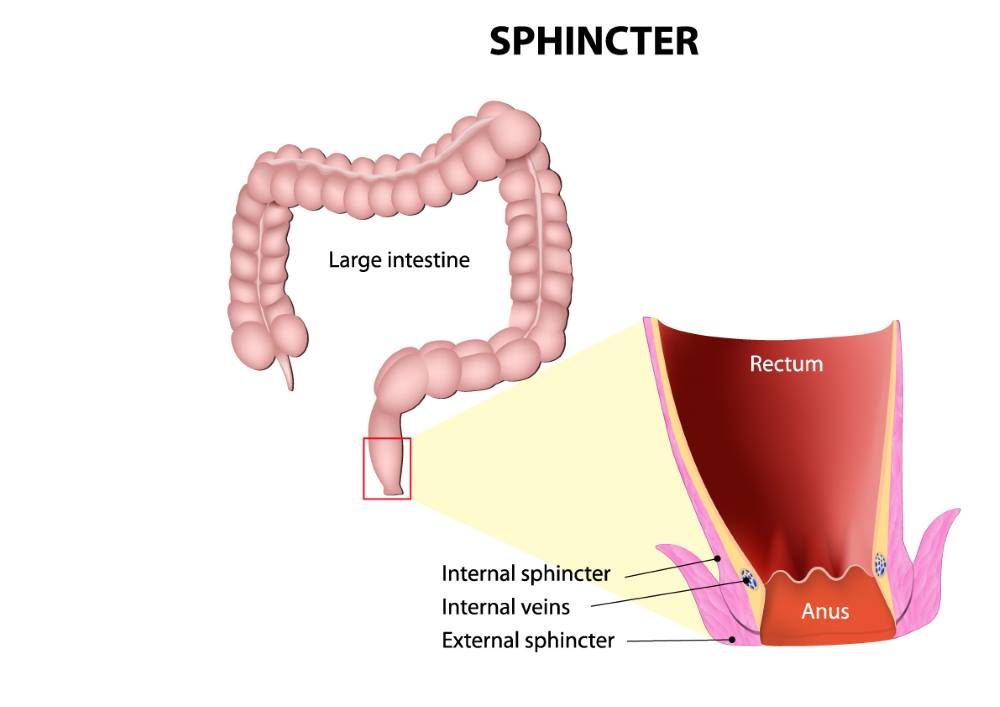
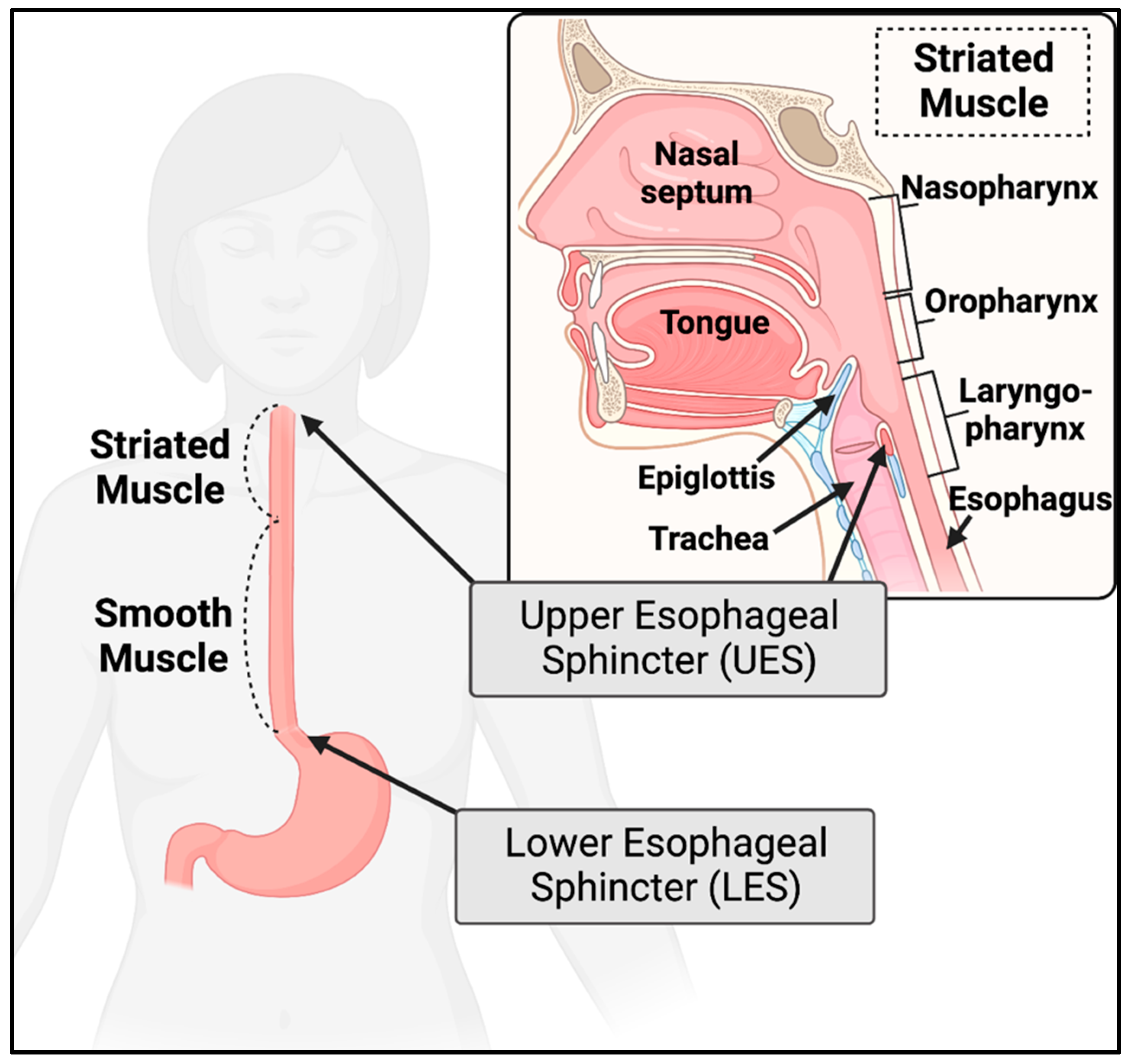
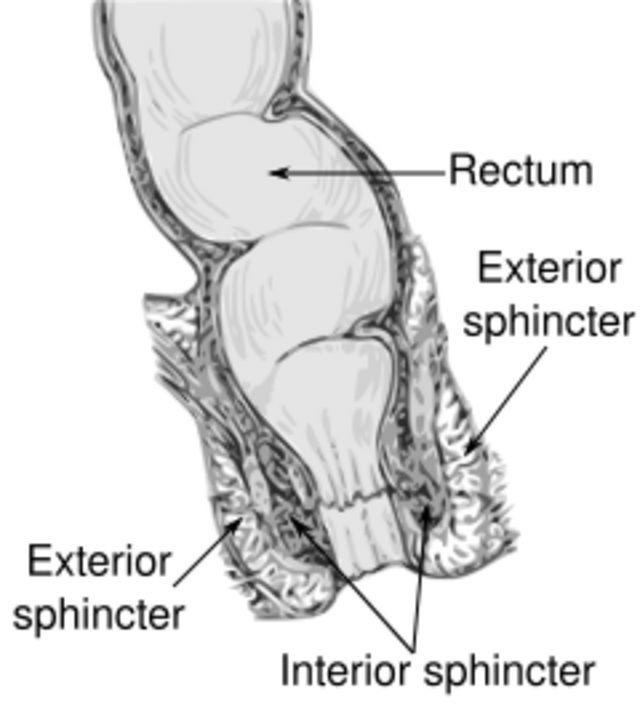
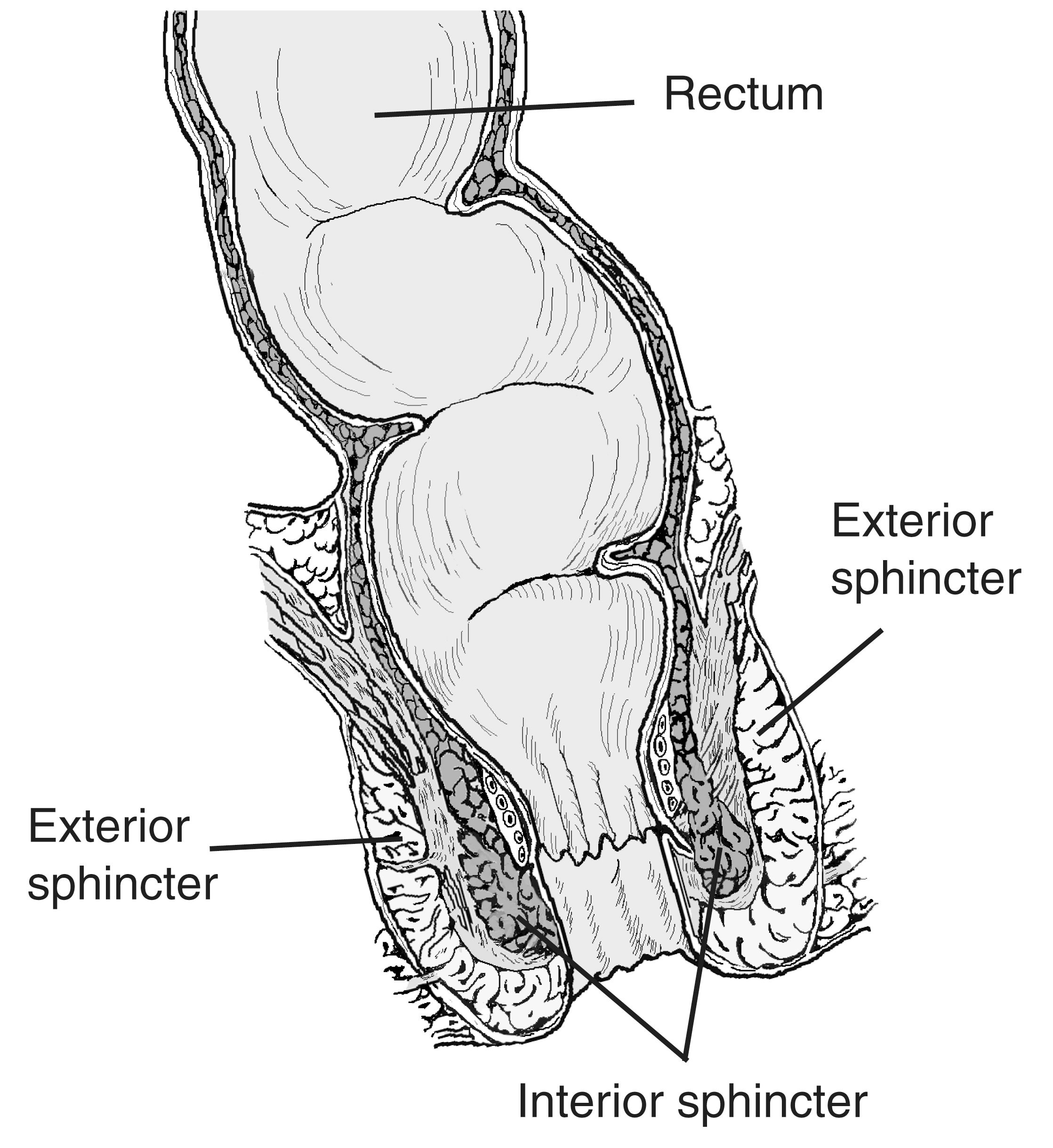
The urethral sphincter, also known as the sphincter urethrae, is the sphincter that controls the passing of urine from the body. Like the anal sphincter, the urethral sphincter has inner and outer muscles that regulate urine flow through the urethra (the narrow tube through which urine—and semen in people with a penis—exits the body).. Esophagus (anterior view) The esophagus (oesophagus) is a 25 cm long fibromuscular tube extending from the pharynx (C6 level) to the stomach (T11 level). It consists of muscles that run both longitudinally and circularly, entering into the abdominal cavity via the right crus of the diaphragm at the level of the tenth thoracic vertebrae.. It actively facilitates the passage of the food bolus.




![[DIAGRAM] Diagram Of The Lower Esophageal Sphincter](https://image.slidesharecdn.com/1-stomach-100331081026-phpapp01/95/1-stomach-8-728.jpg?cb=1270023067 "[DIAGRAM] Diagram Of The Lower Esophageal Sphincter")
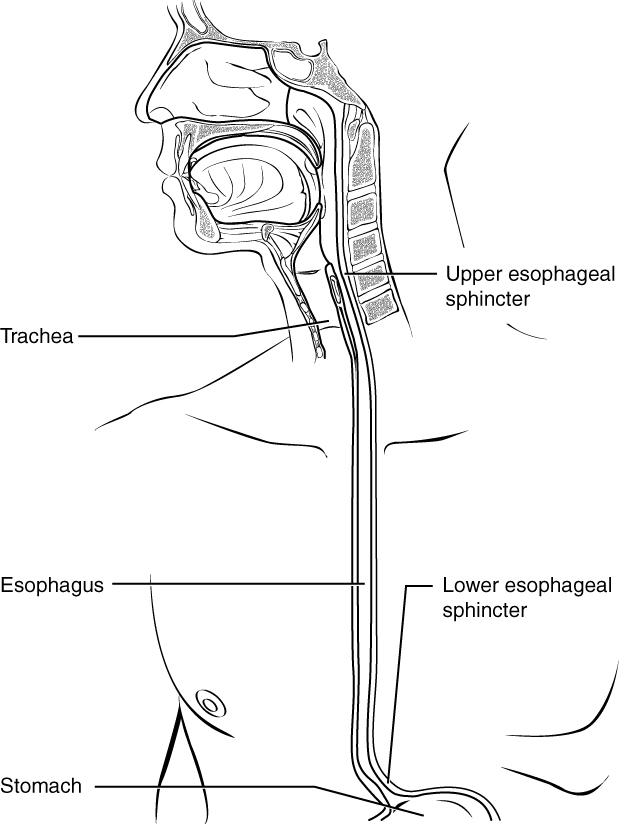
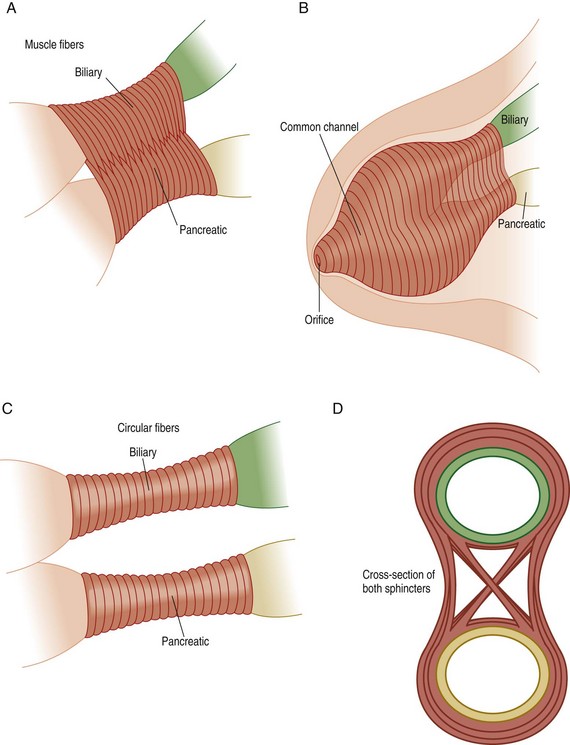
![[DIAGRAM] Upper Esophageal Sphincter Diagram](https://thumbs.dreamstime.com/z/esophageal-sphincter-anatomy-reflux-d-medical-illustration-eps-142335418.jpg "[DIAGRAM] Upper Esophageal Sphincter Diagram")




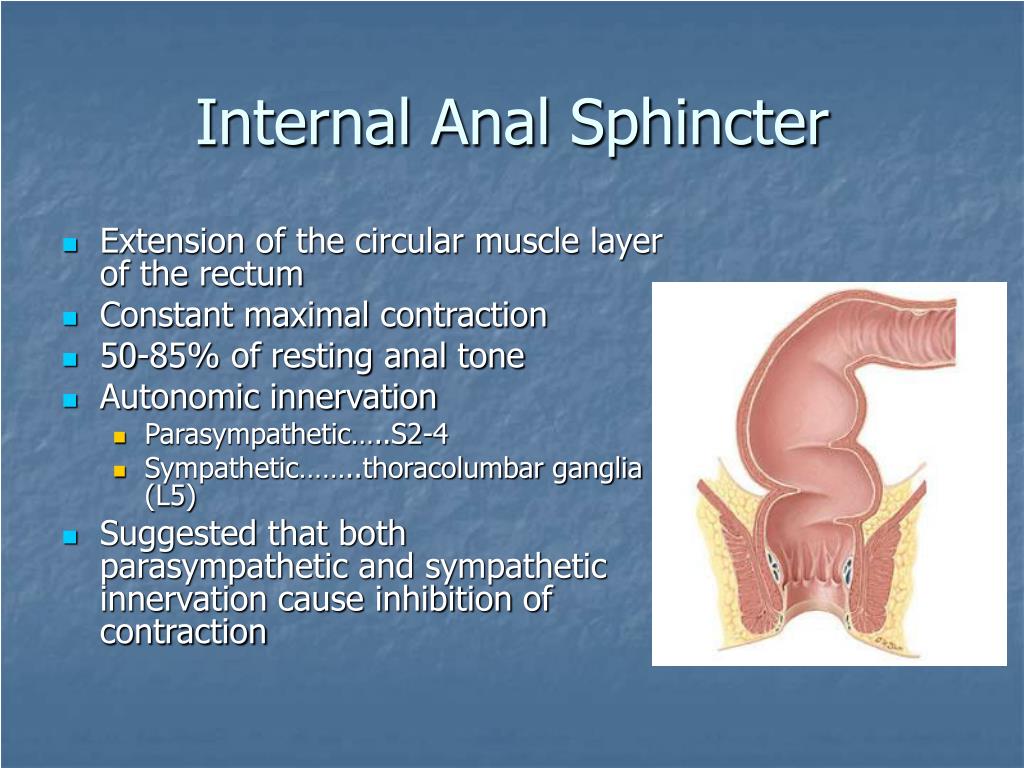
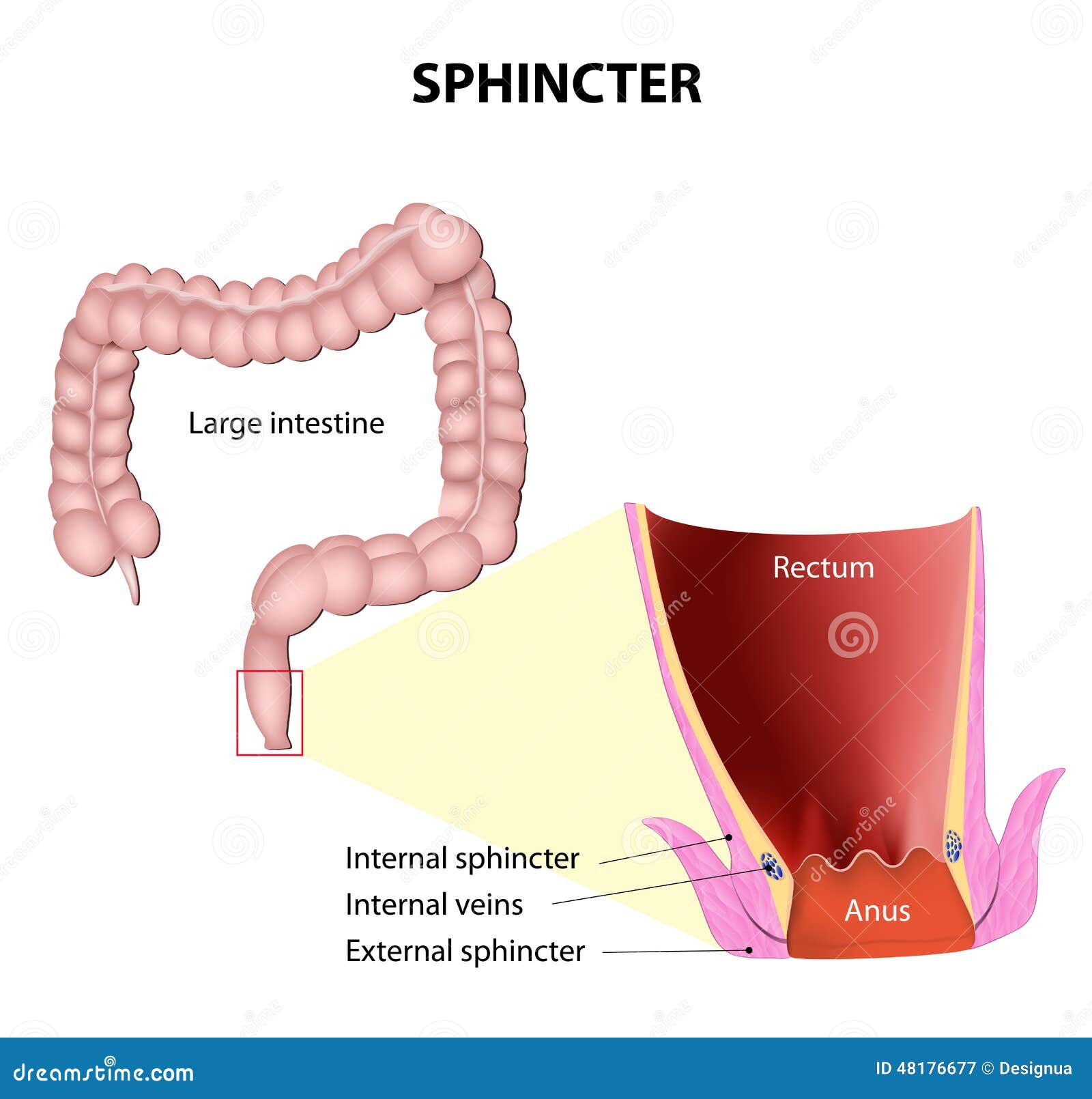
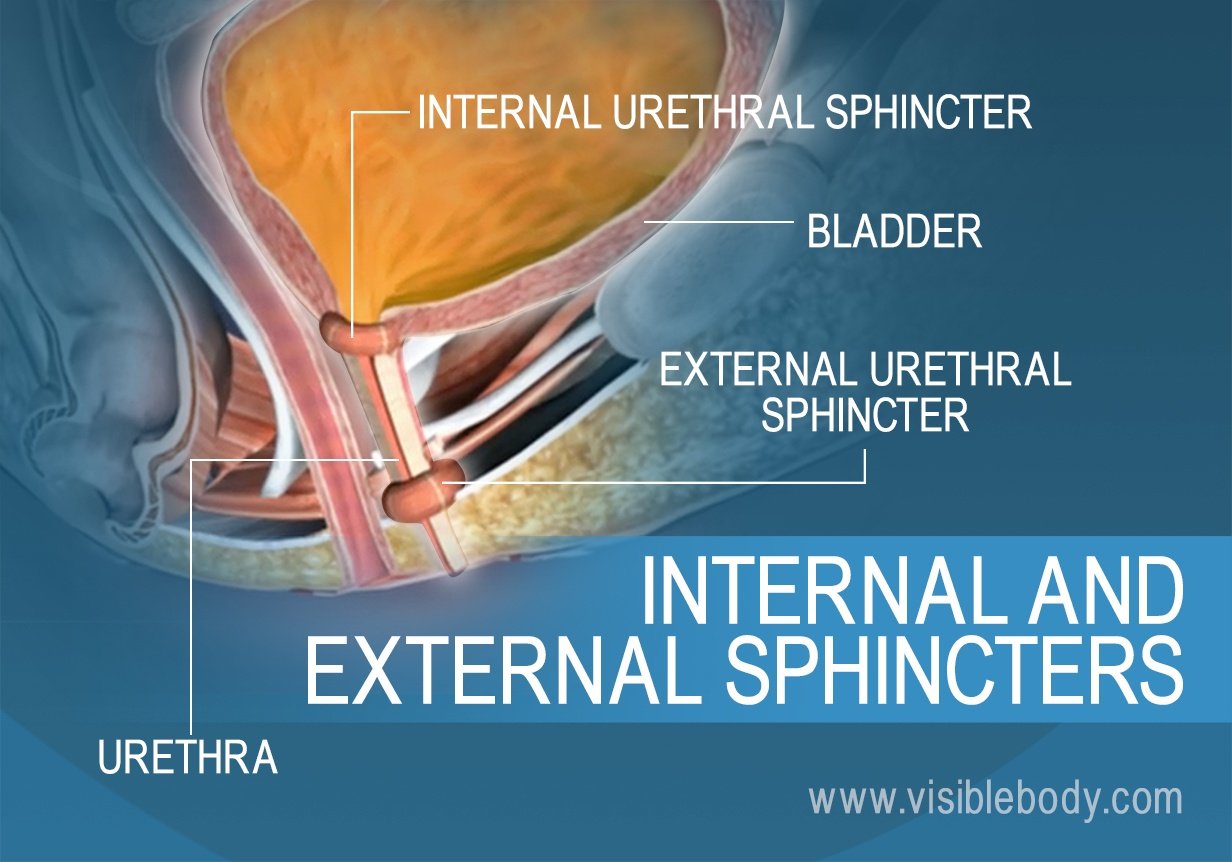

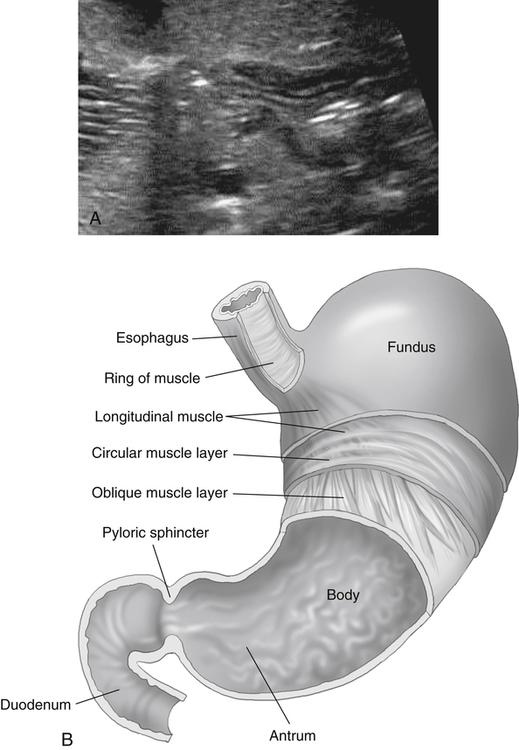
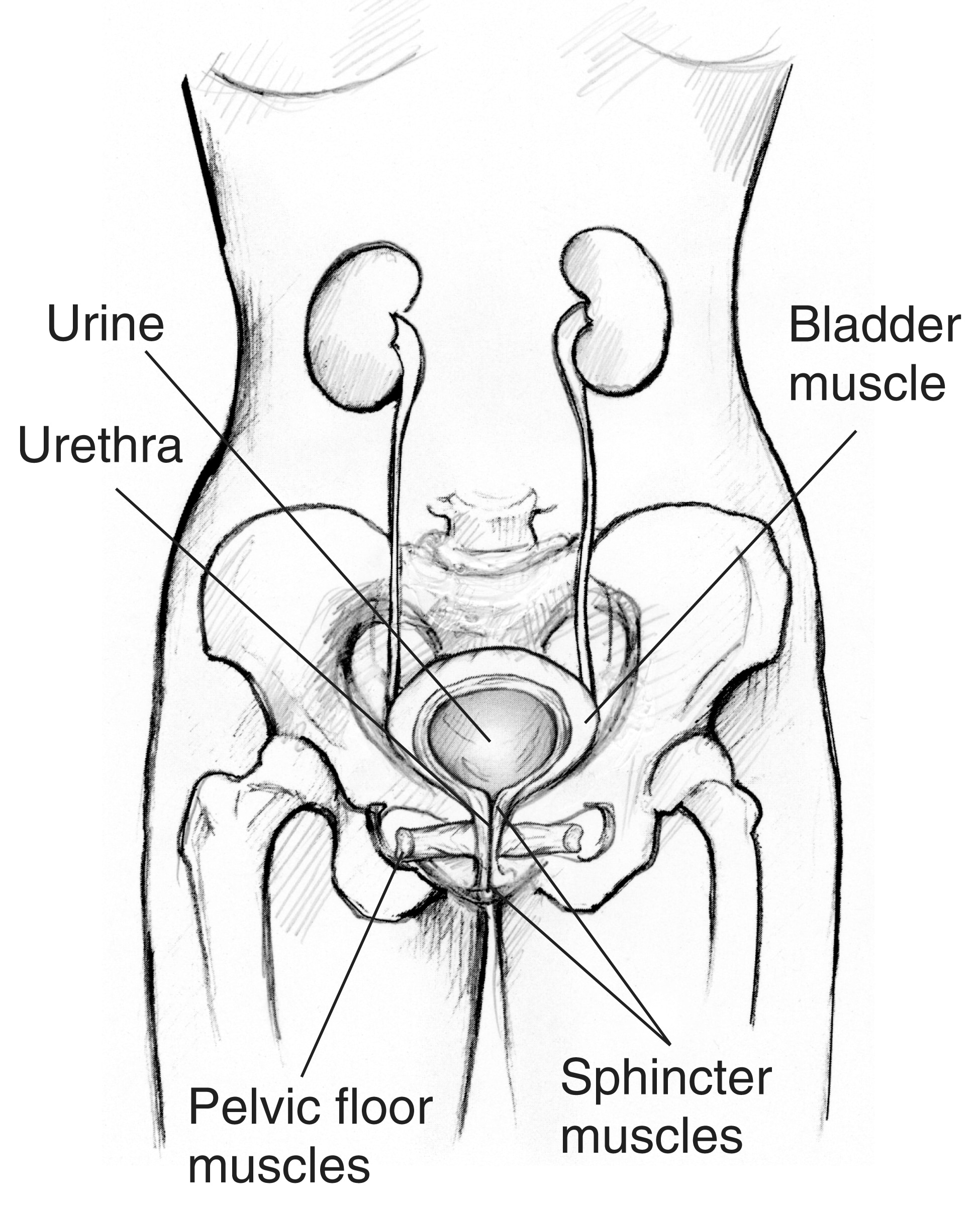
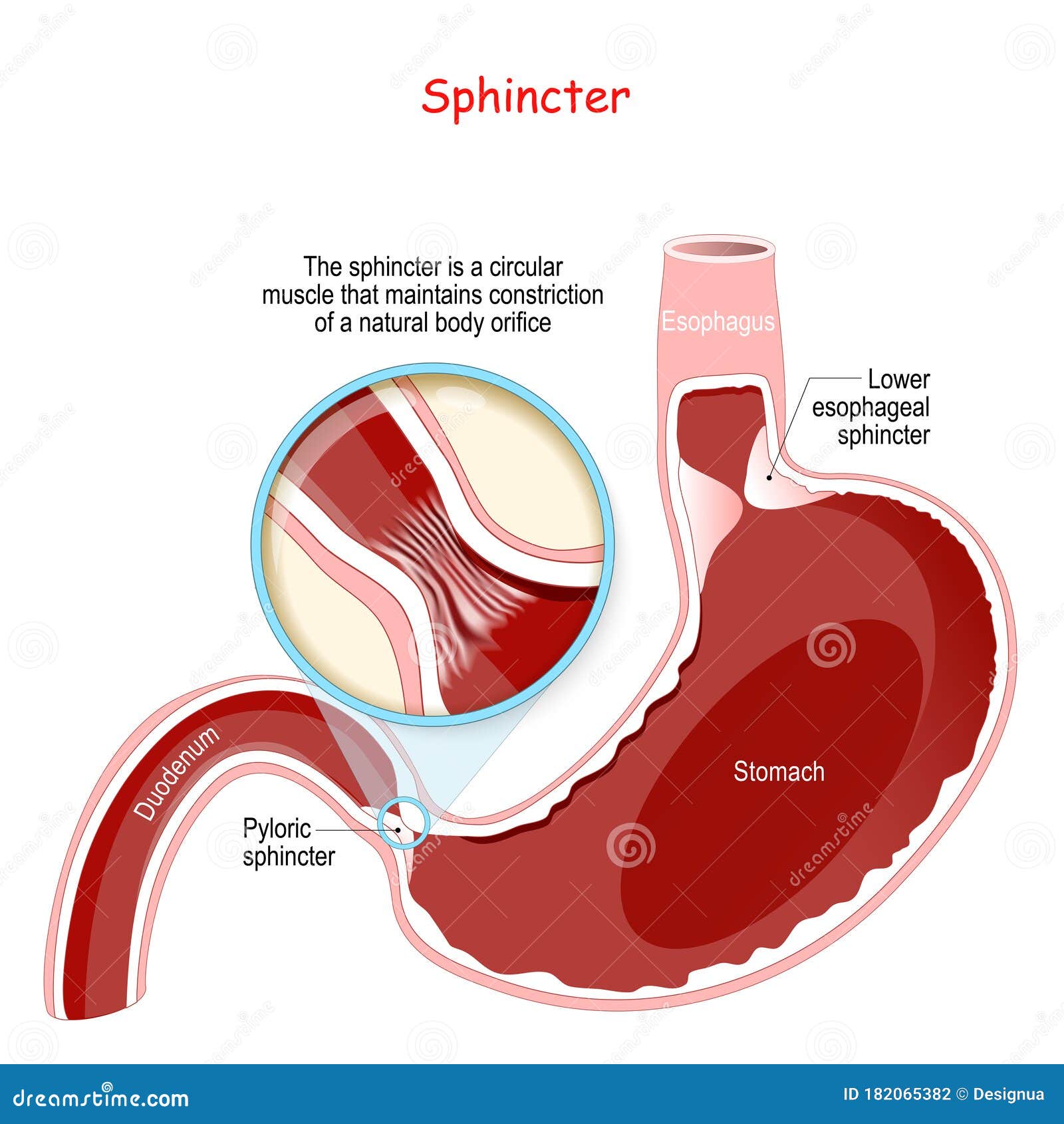
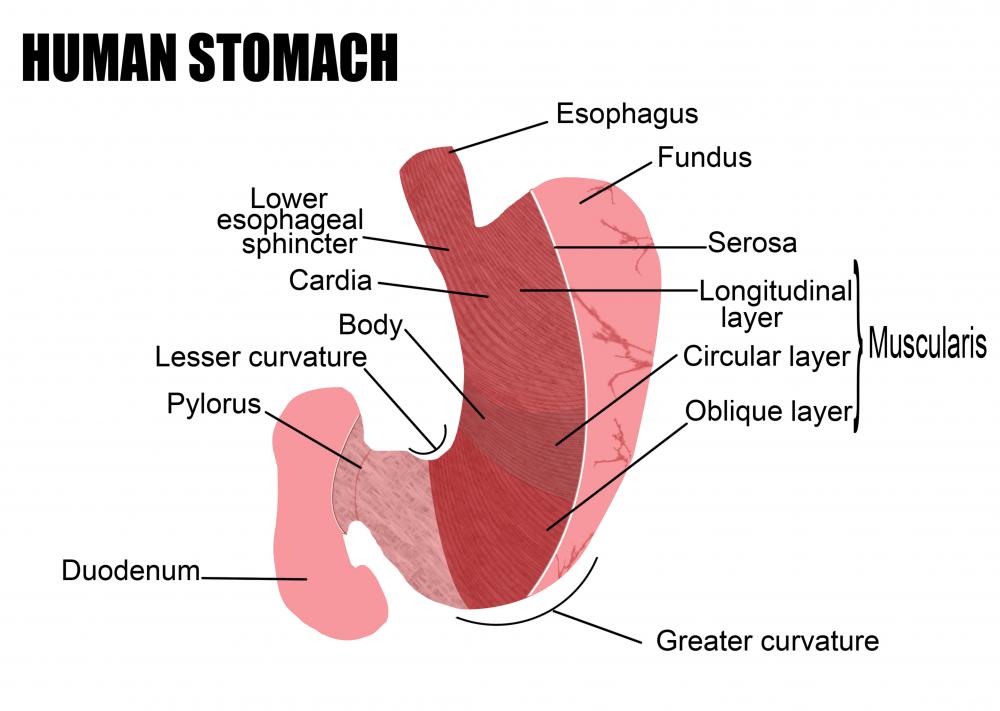
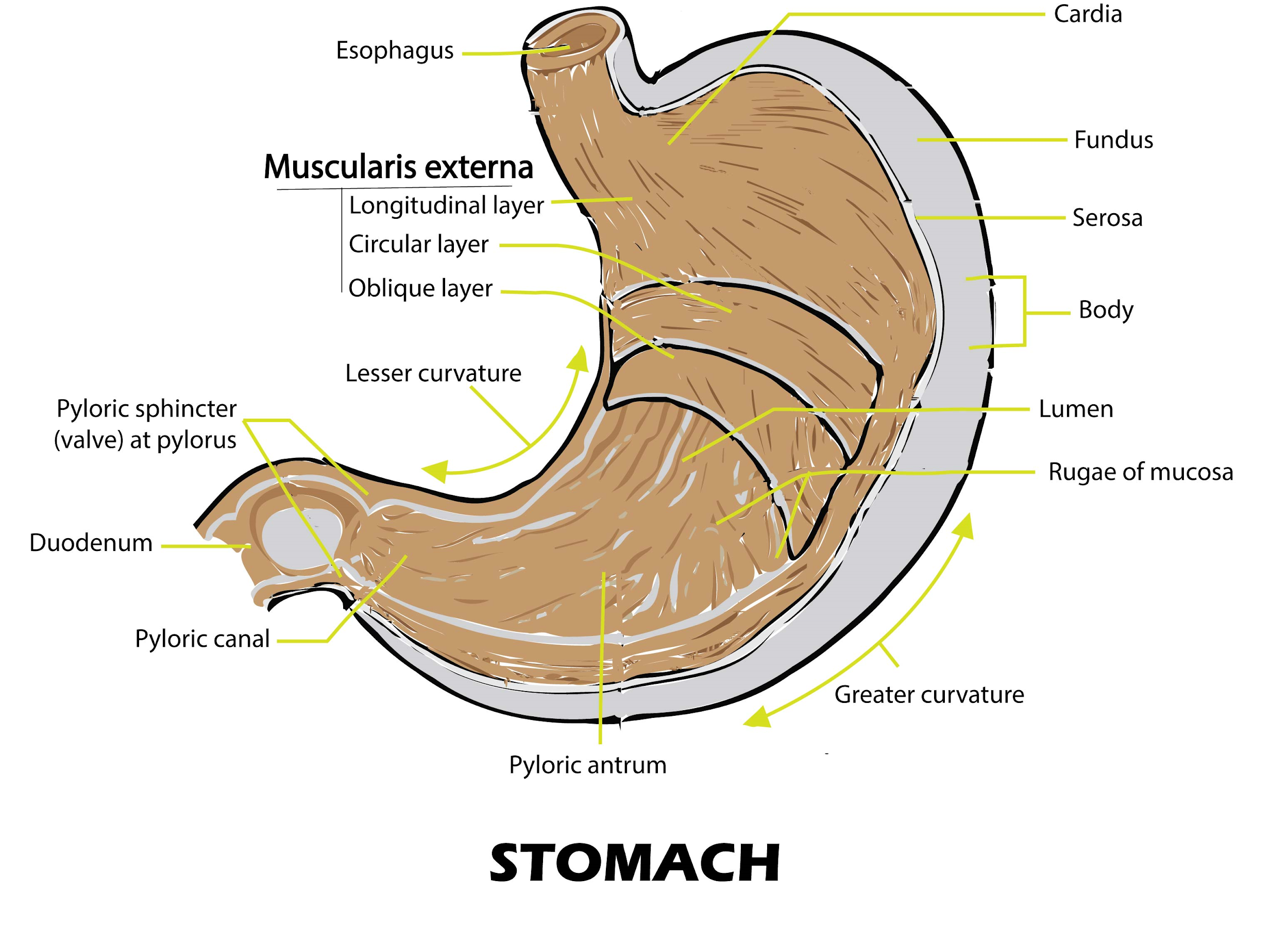
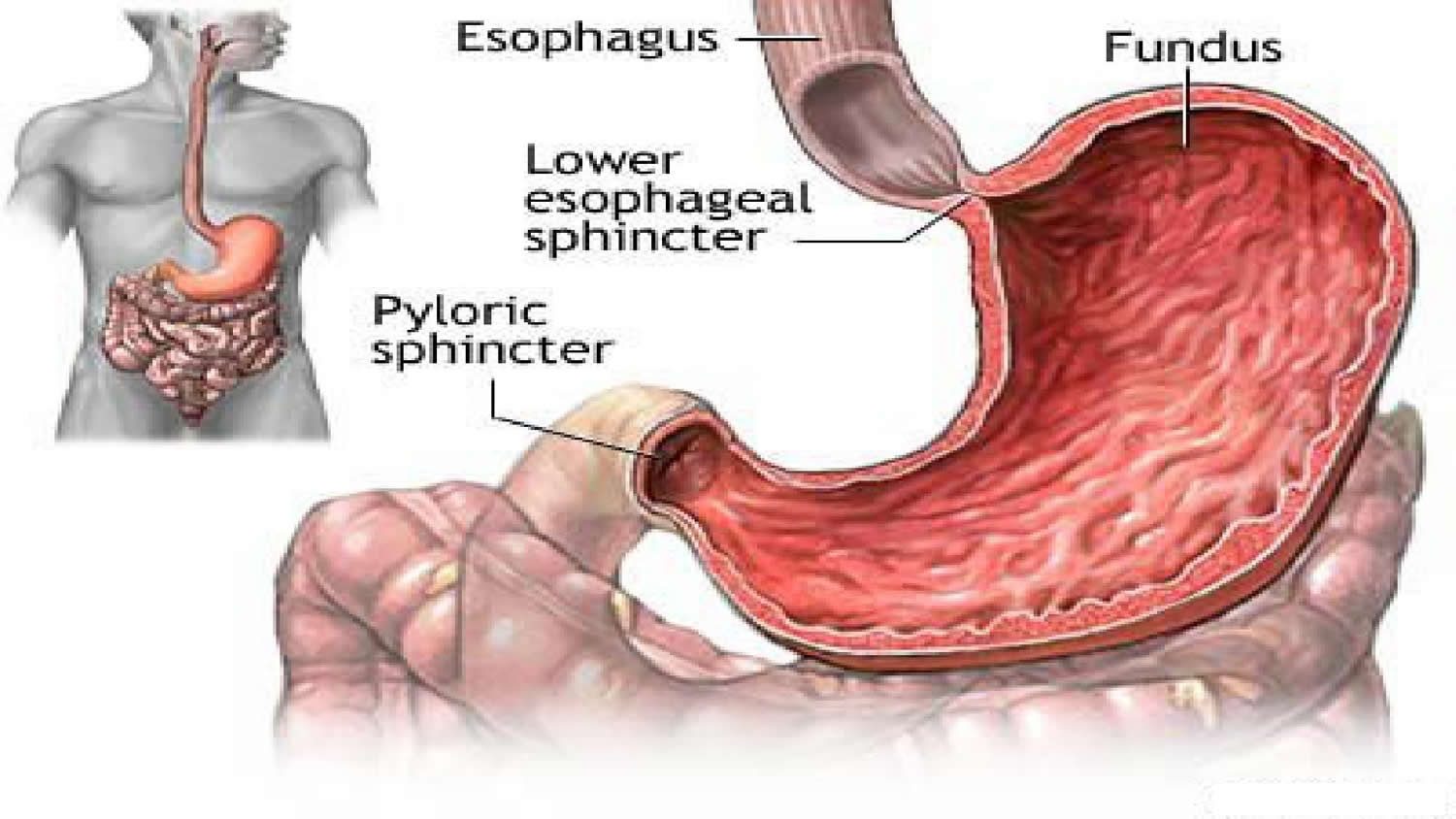

The internal sphincter muscle is located at the opening of the bladder to the urethra. It is a smooth, involuntary muscle. Because of its location, it is also primary muscle prohibiting the release of urine. The external sphincter muscle surrounds the area of the urethra outside the bladder. It is the secondary muscle in control of urine flow.. sphincter muscle, any of the ringlike muscles surrounding and able to contract or close a bodily passage or opening.One of the most important human sphincter muscles is the sphincter pylori, a thickening of the middle layer of stomach muscle around the pylorus (opening into the small intestine) that holds food in the stomach until it is thoroughly mixed with gastric juices.