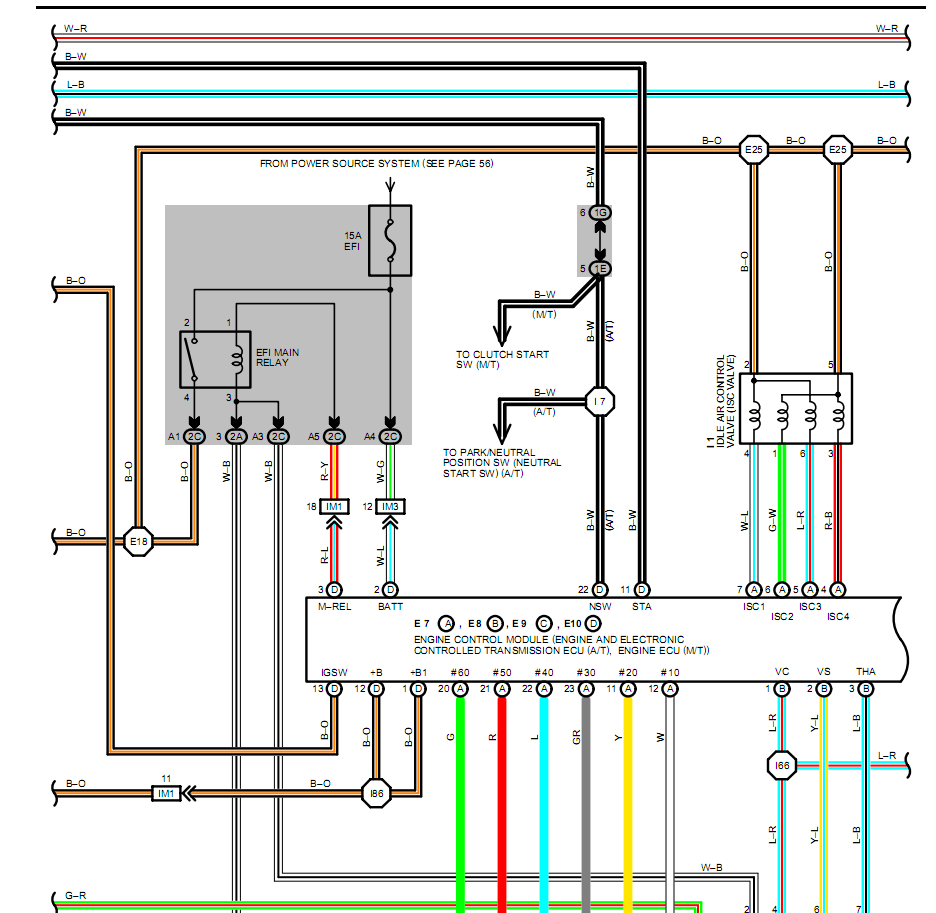
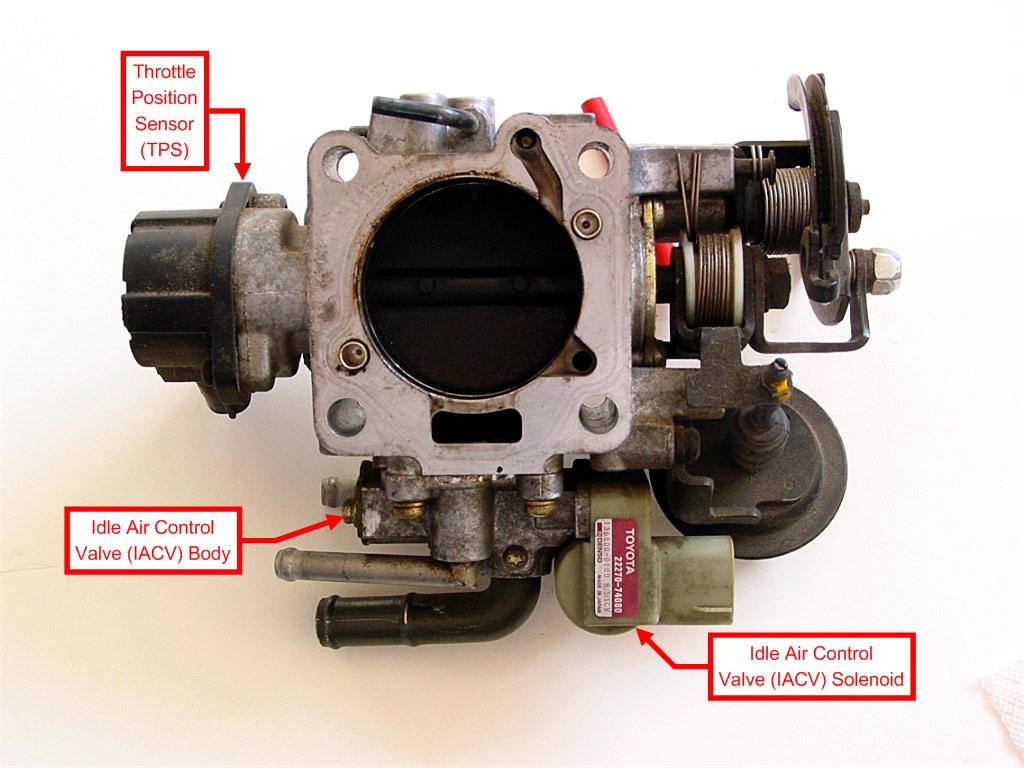
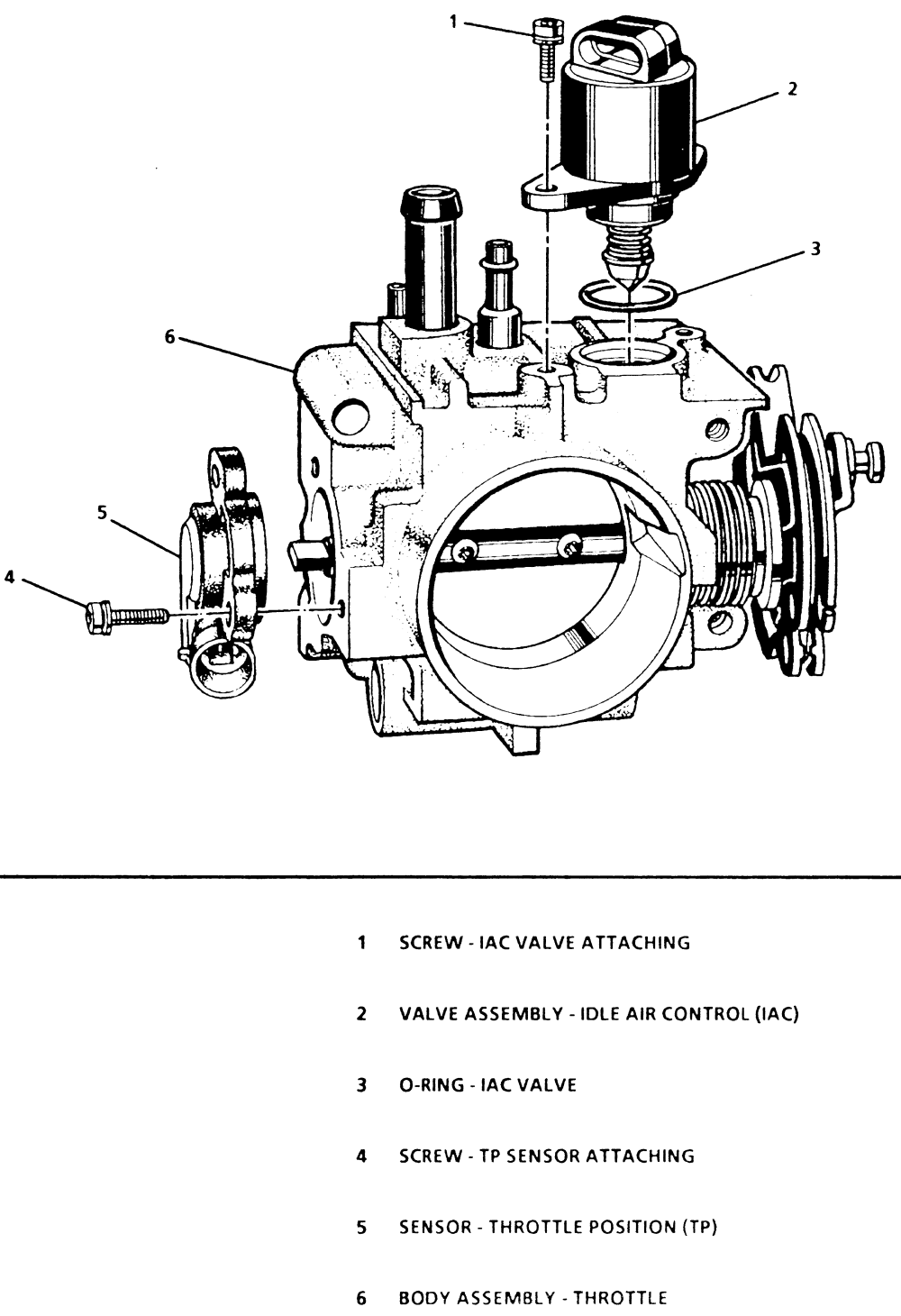
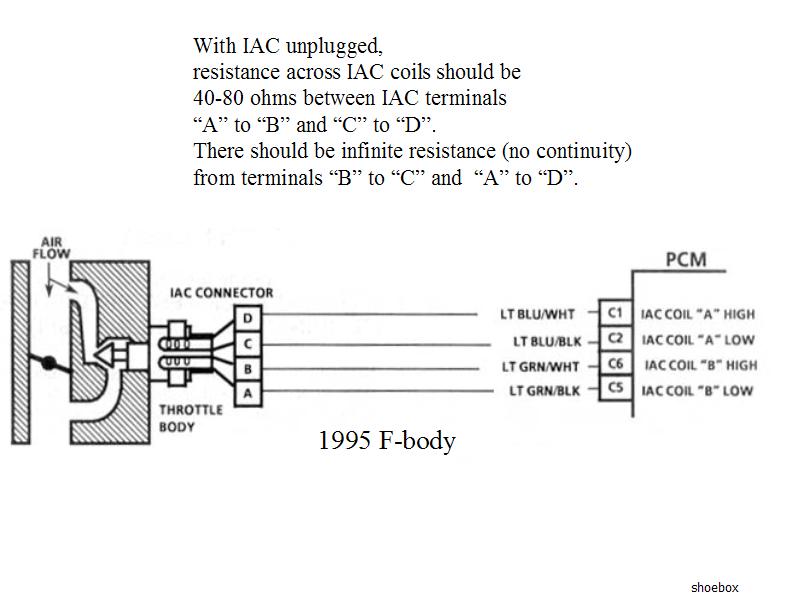
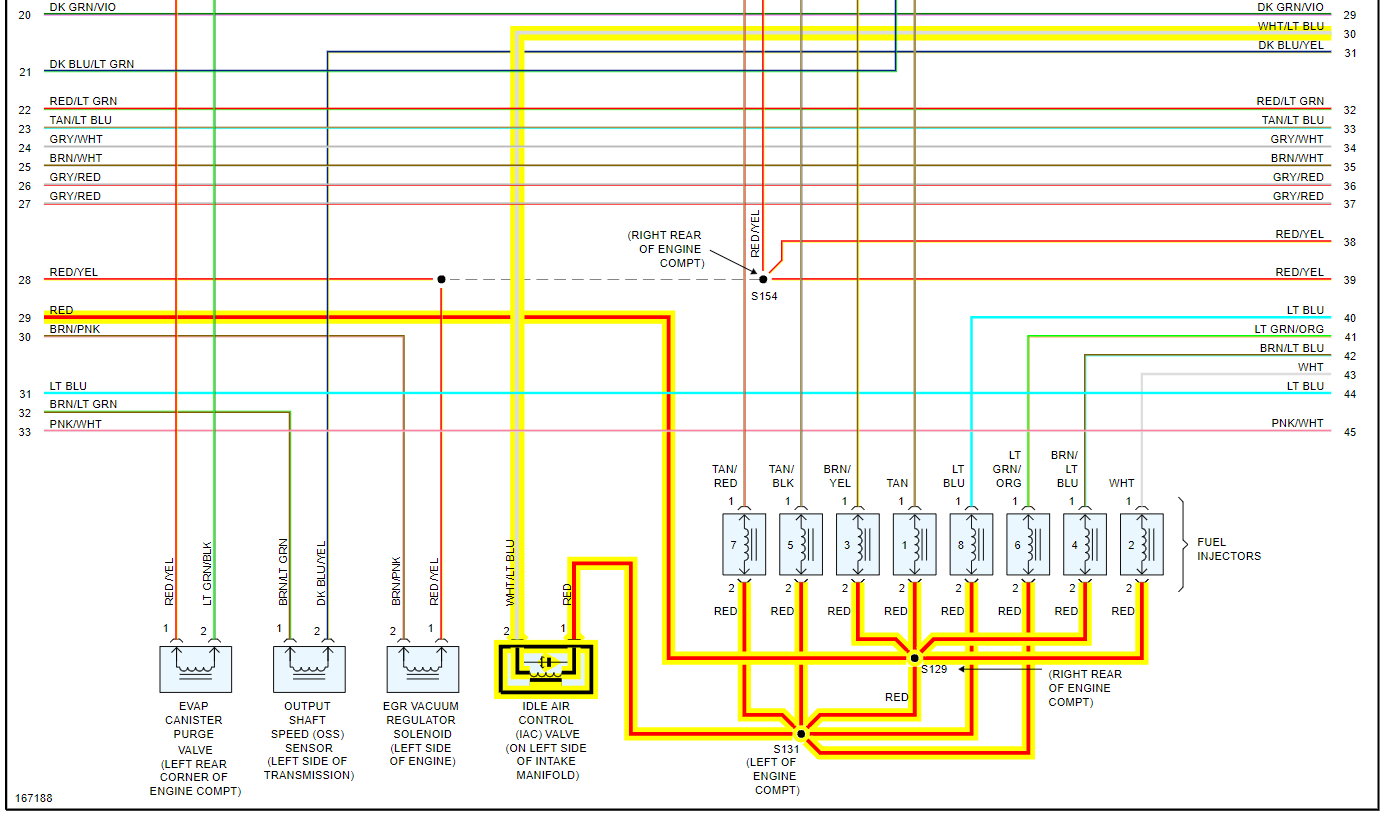
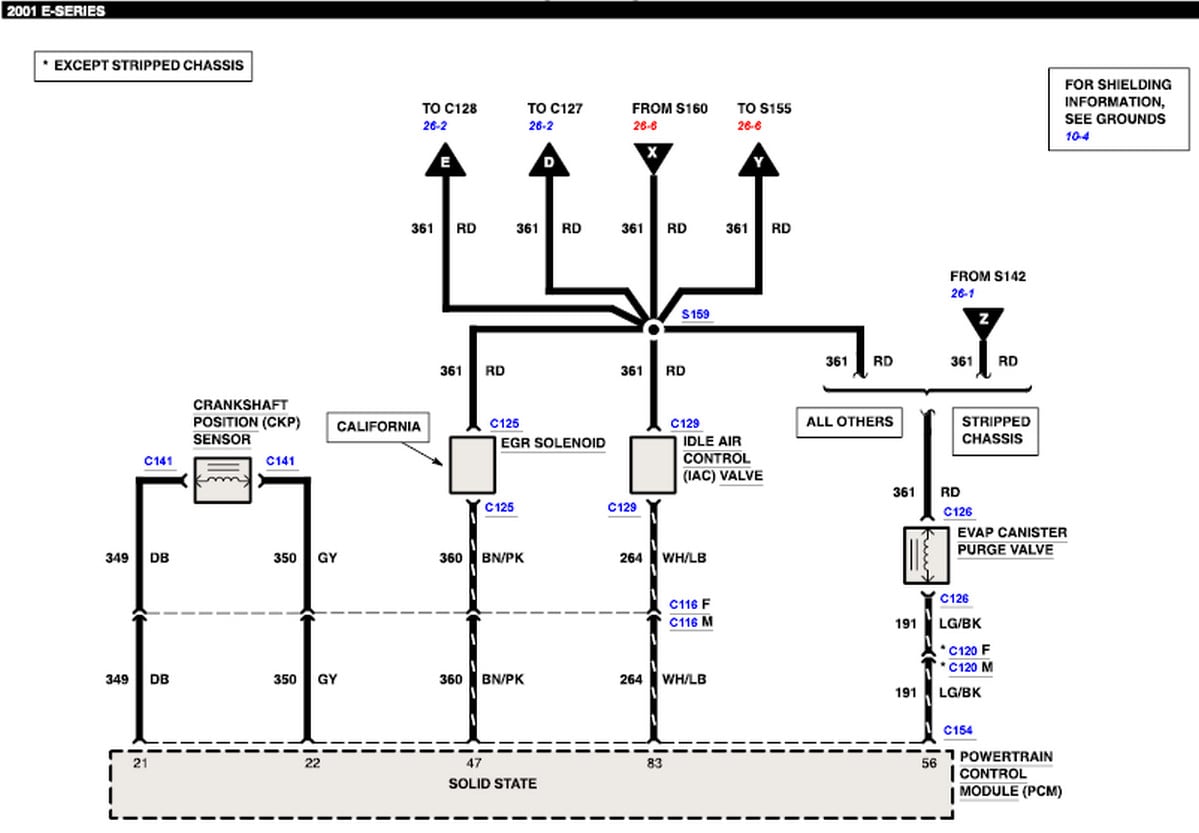
The IAC is nothing more than a coil of wire, solenoid. Whenever you energize a coil of wire and then turn it off, you get a kickback in the voltage. The diode is there to allow the voltage to continue flowing around the circuit until it dissipates when the power is turned off. A diode does have a small amount of resistance.. I've got my harness apart and noticed that the Chrysler unit is a 4 wire setup and the ford is a 2 wire. The wiring diagram shows IAC A, low/high and IAC B, low/high. That's what the wires are listed as. 383 S480 225 highports Super Vic Extreme automatics TH400. The Ford type solenoid valves, not so much. This is one of the reasons the ECU.

![[DIAGRAM] Gm Tbi Iac Wiring Diagram](http://i226.photobucket.com/albums/dd255/RFmaster89/TBI Photos/BBCIACTPS.jpg "[DIAGRAM] Gm Tbi Iac Wiring Diagram")


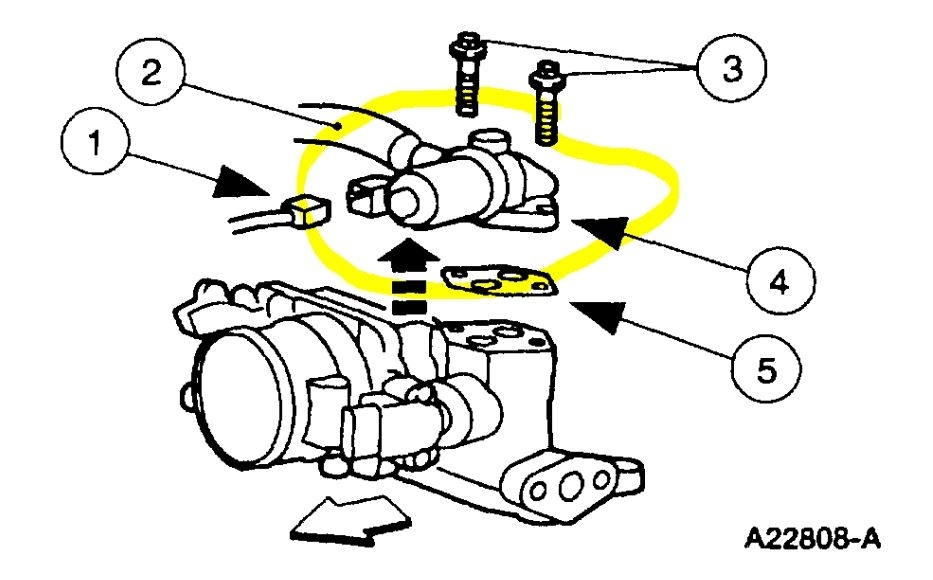
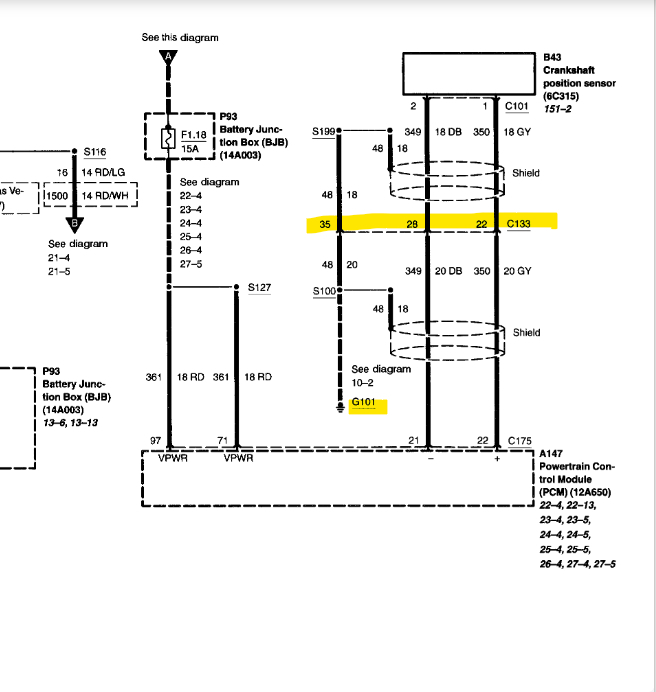

![[DIAGRAM] 2000 Mustang Iac Valve Wiring Diagram](https://honda-tech.com/forums/attachments/honda-civic-del-sol-1992-2000-1/328188d1372722742-explain-3-wire-iac-valve-deflection.png "[DIAGRAM] 2000 Mustang Iac Valve Wiring Diagram")

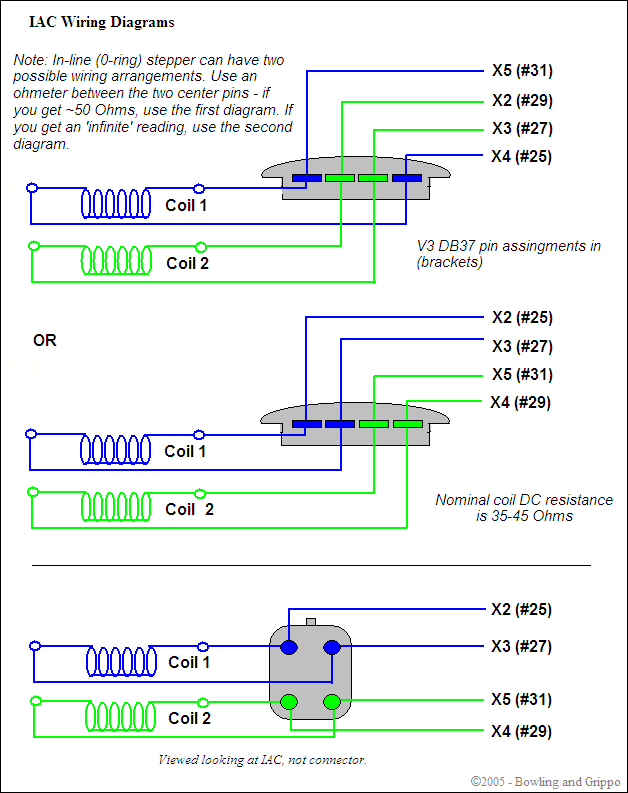
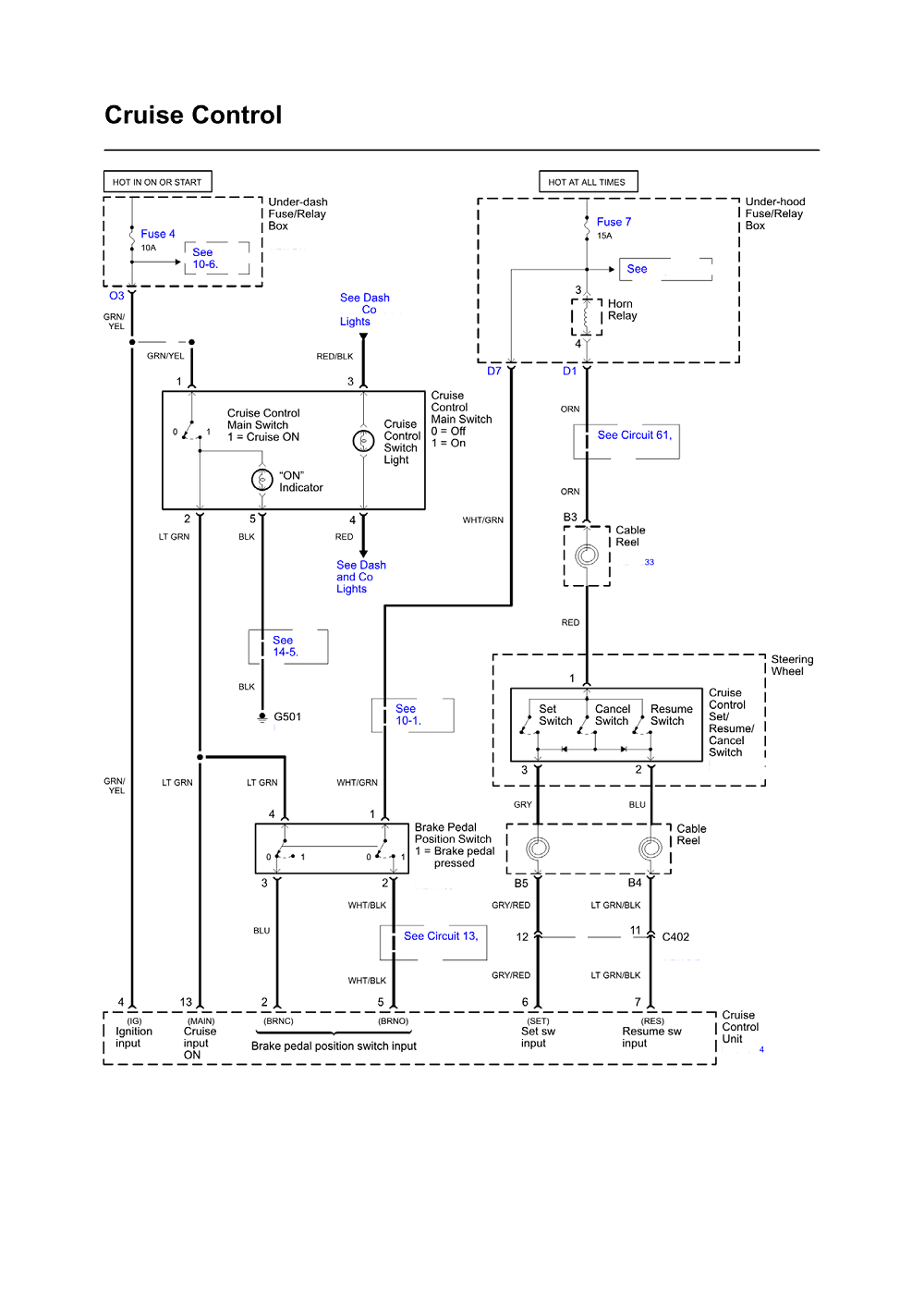
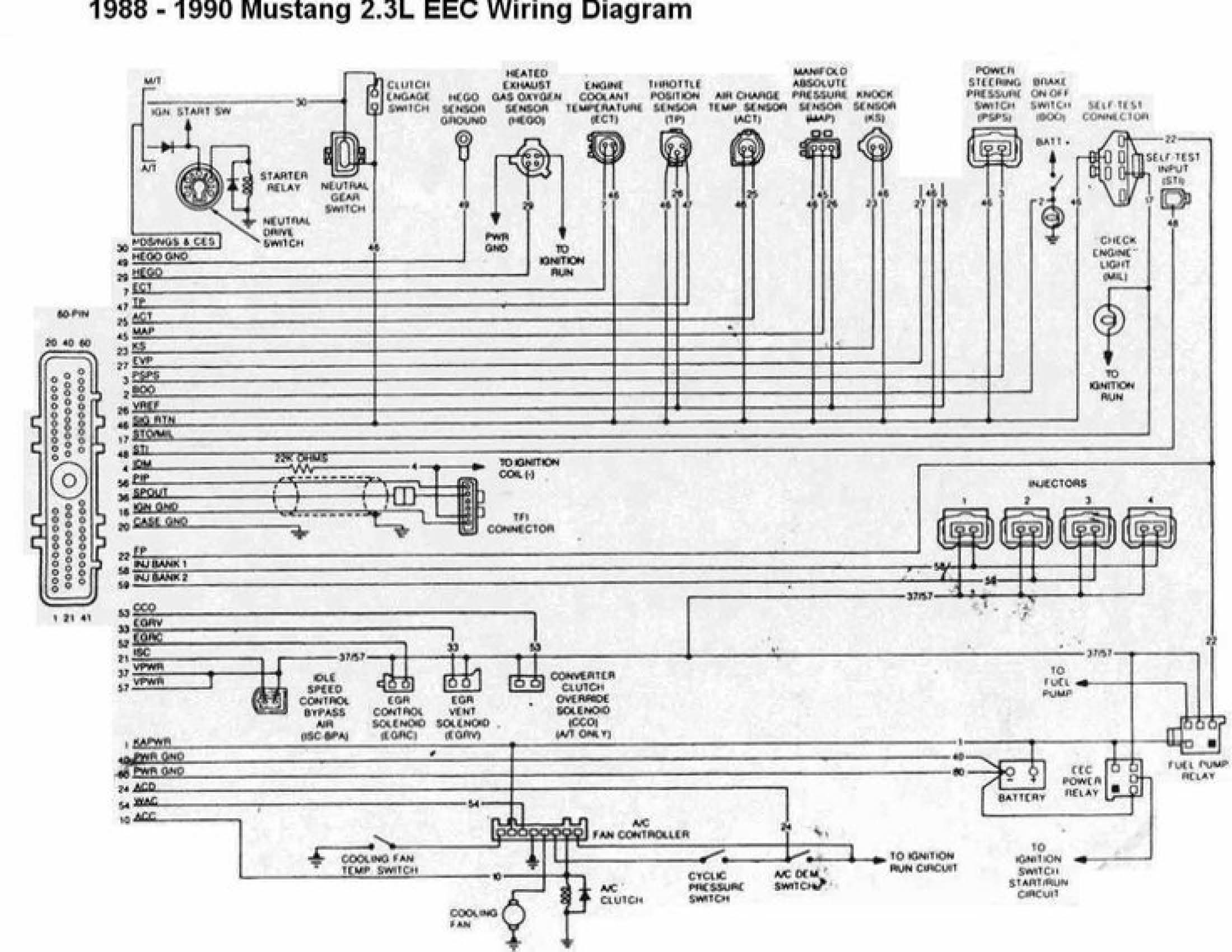
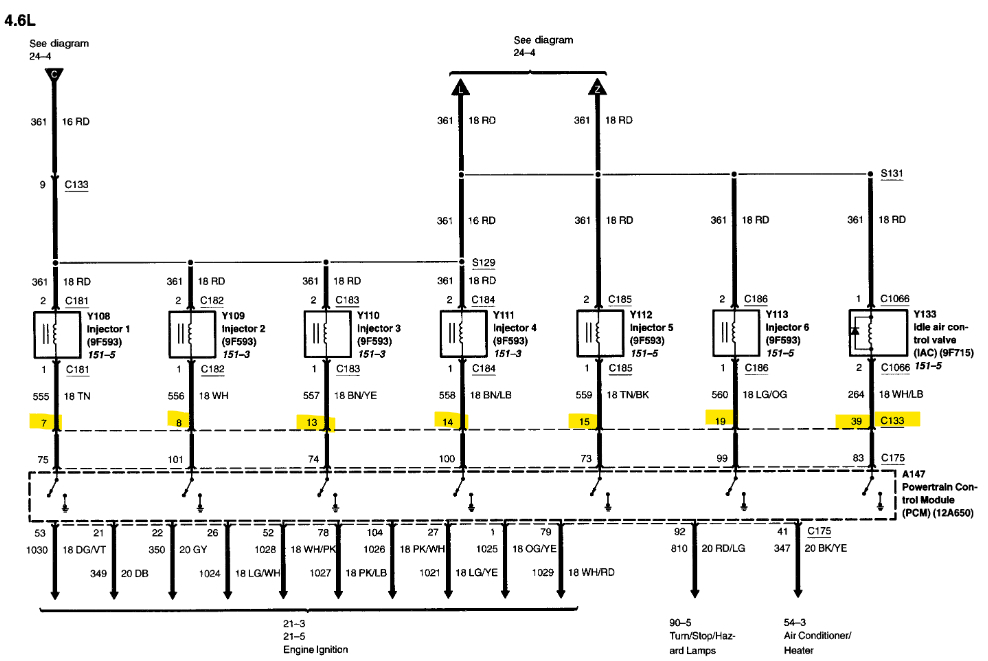


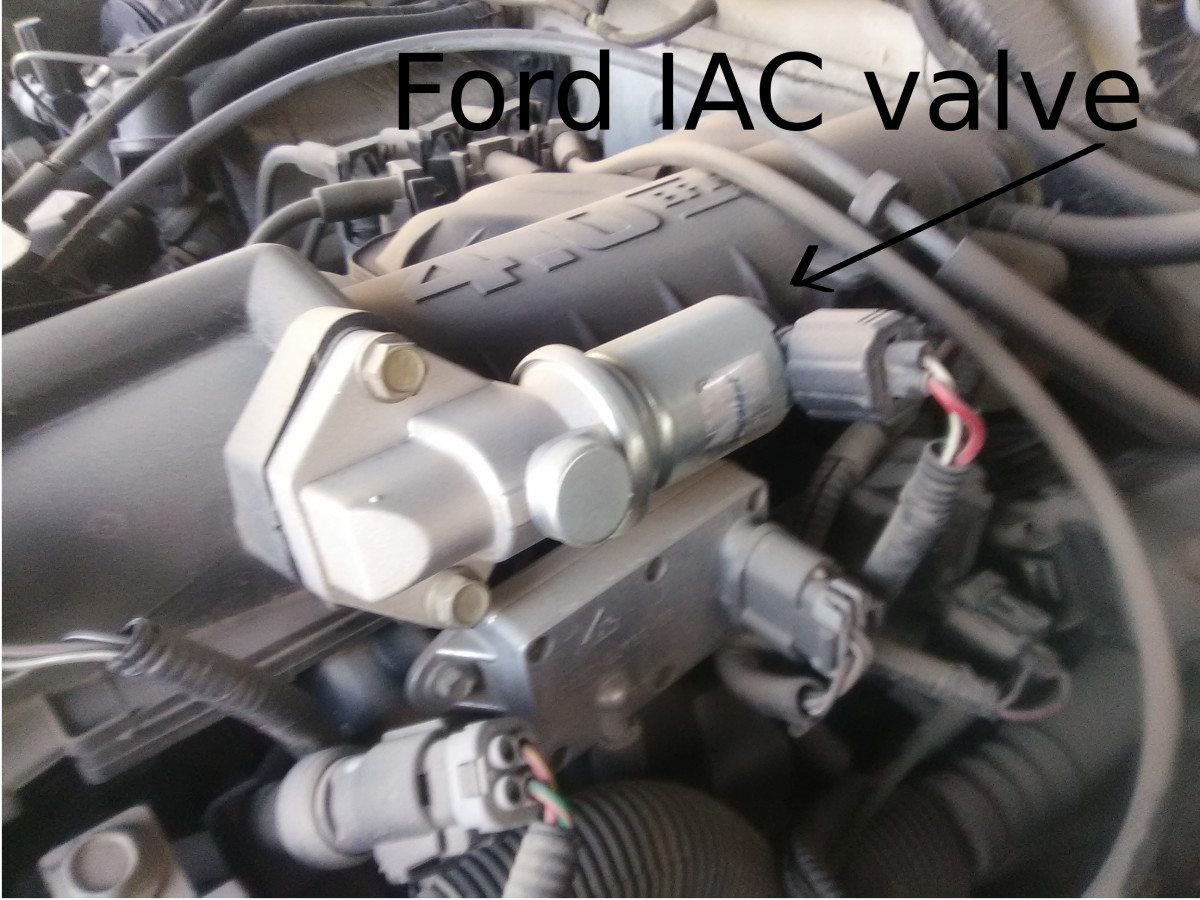

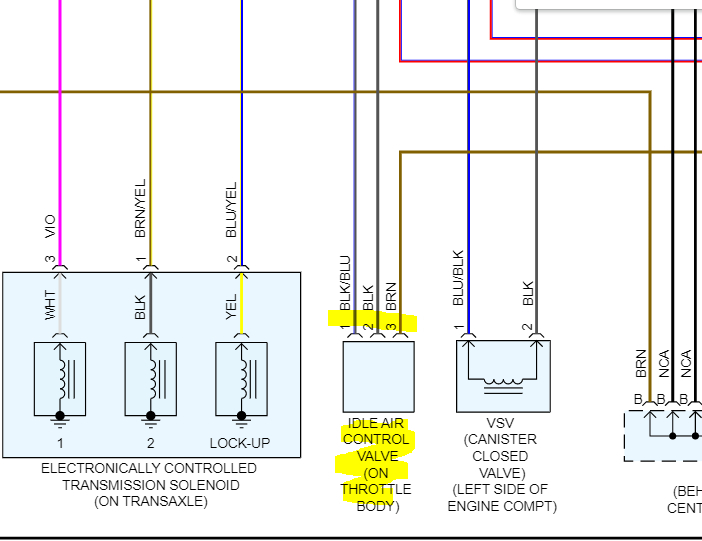
Note the external 1986 IAC diode diagram below that that shows the anode to the red power wire and cathode to the EEC. I believe that this is an incorrect diagram as this is opposite of the 1986 and 1990 Ford EVTM which shows a reversed flyback configuration which is common in many switching coils.. An easy way to tell which type of rotary solenoid is to use the wiring schematic. The older style has two wires connected to the ECM while the newer type has one connected to the ECM and the other wire connected to ground.. Feedback (Closed Loop) Idle Air Control The ECM has a preprogrammed target idle speed that is maintained by the IACV.