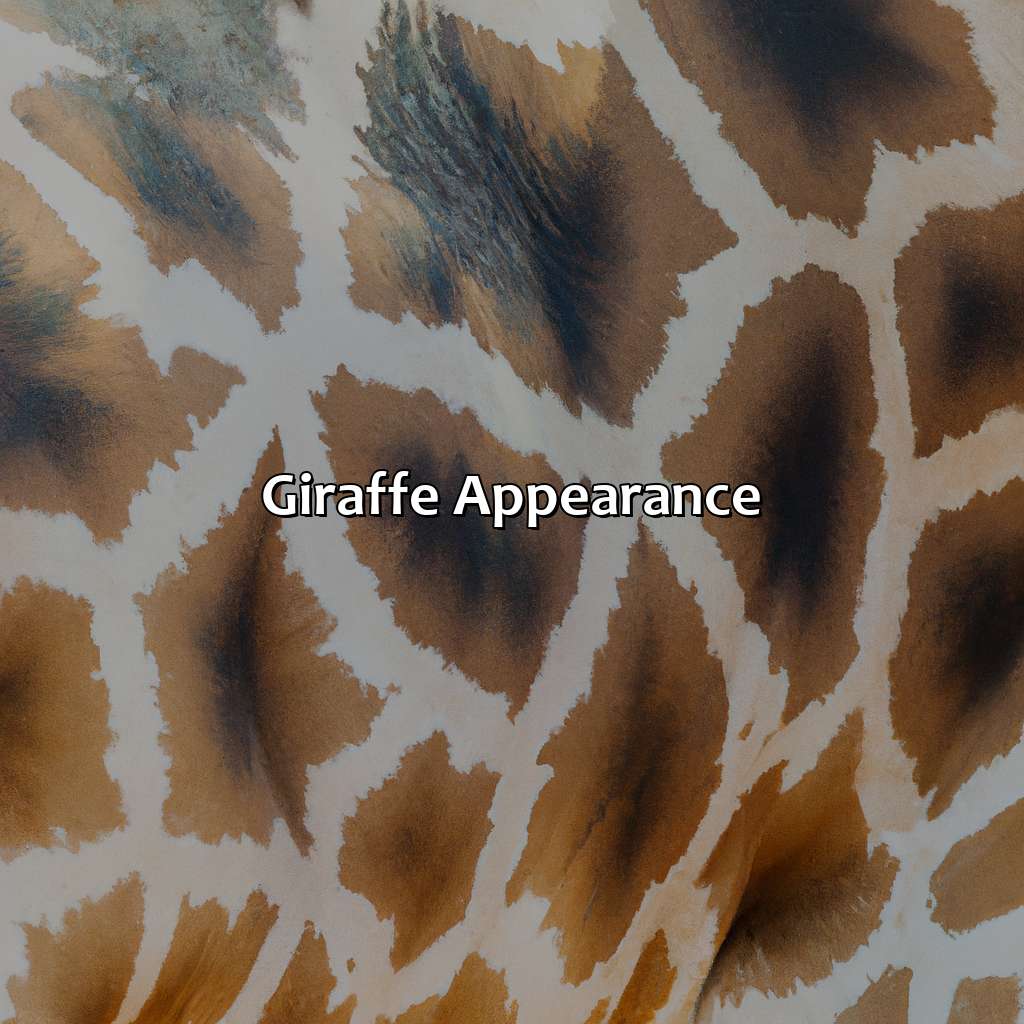
The name "giraffe" has its earliest known origins in the Arabic word zirāfah (زِرَافَةْ), of an ultimately unclear Sub-Saharan African language origin. [2] The Middle English and early Modern English spellings, jarraf and ziraph, derive from the Arabic form-based Spanish and Portuguese girafa. [3] The modern English form developed around 1600 from the French girafe. [2] "Camelopard.. The Basics of Giraffe Colors At first glance, a giraffe's coloration might seem straightforward: they're brown and white, right? Not quite. While it's true that many giraffes do have a brown and white coat, the reality is that giraffe colors can vary greatly depending on the subspecies, age, and even individual animal.
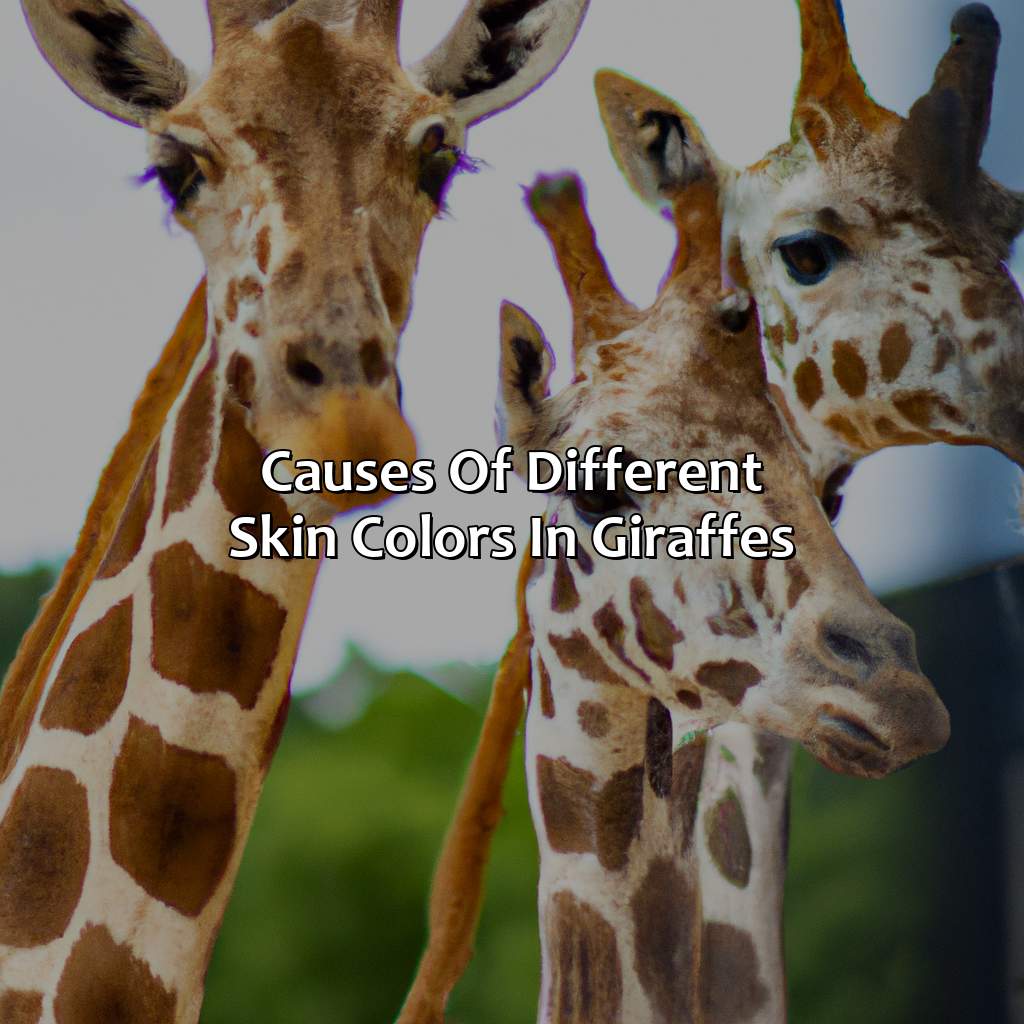
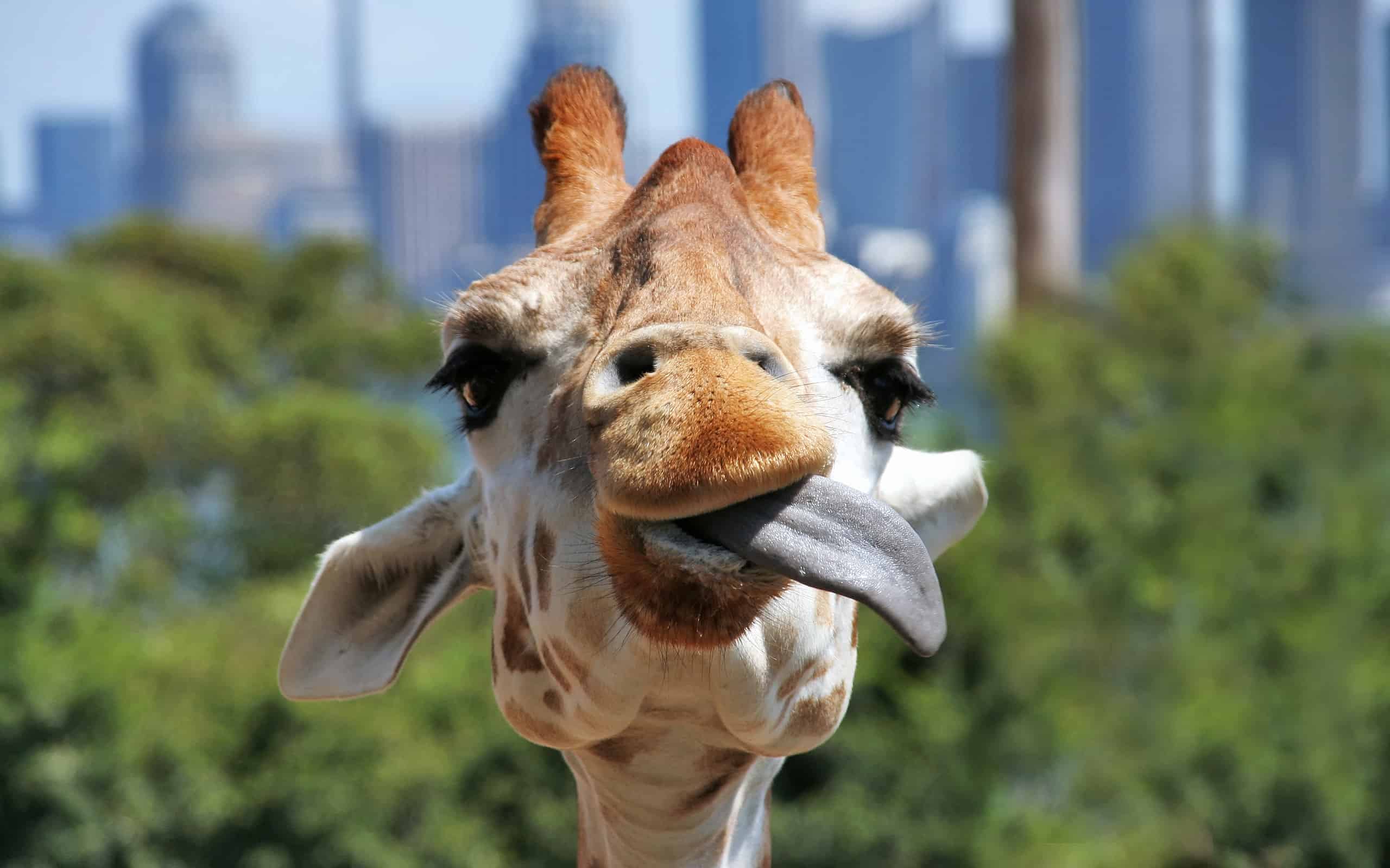
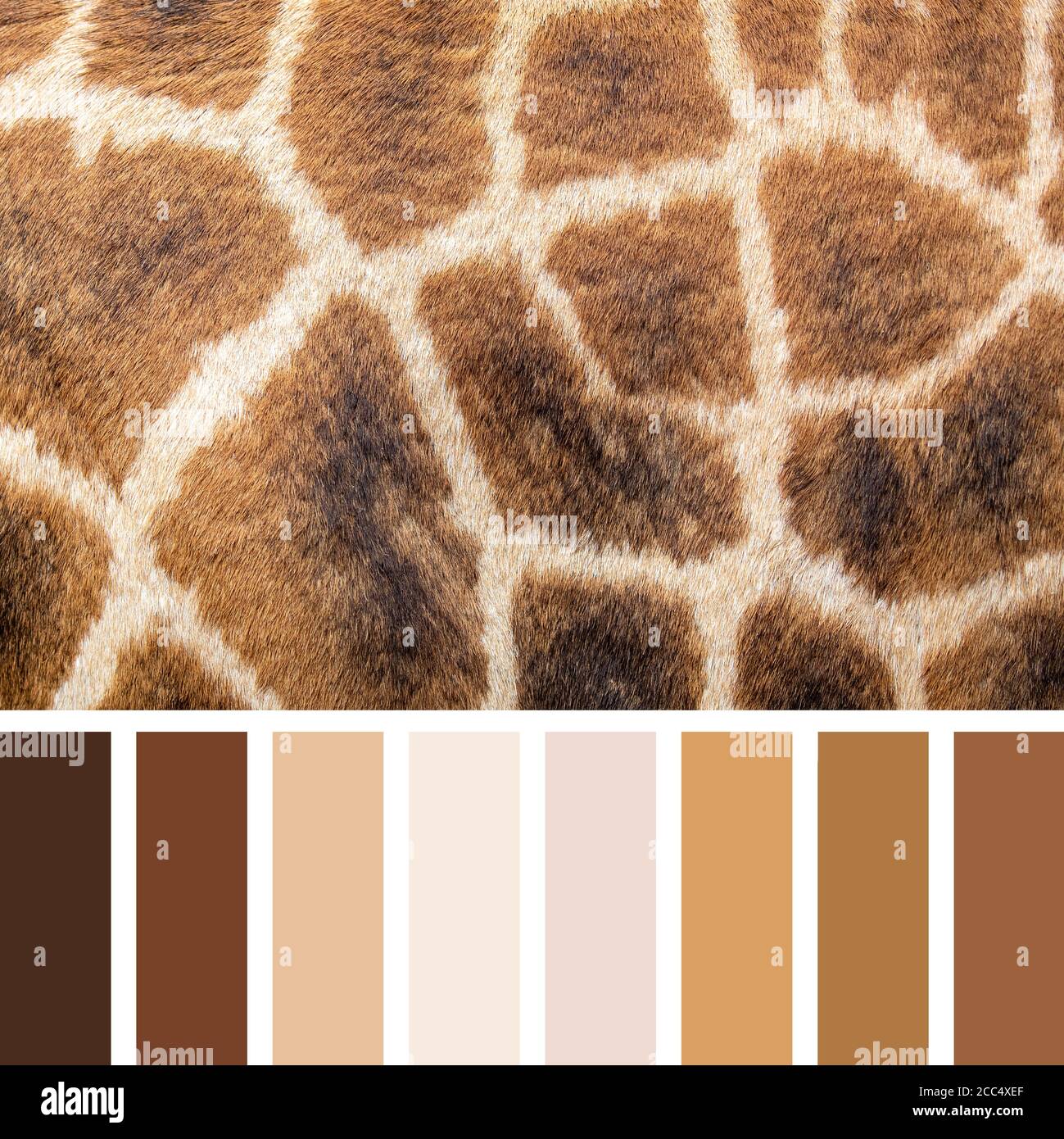


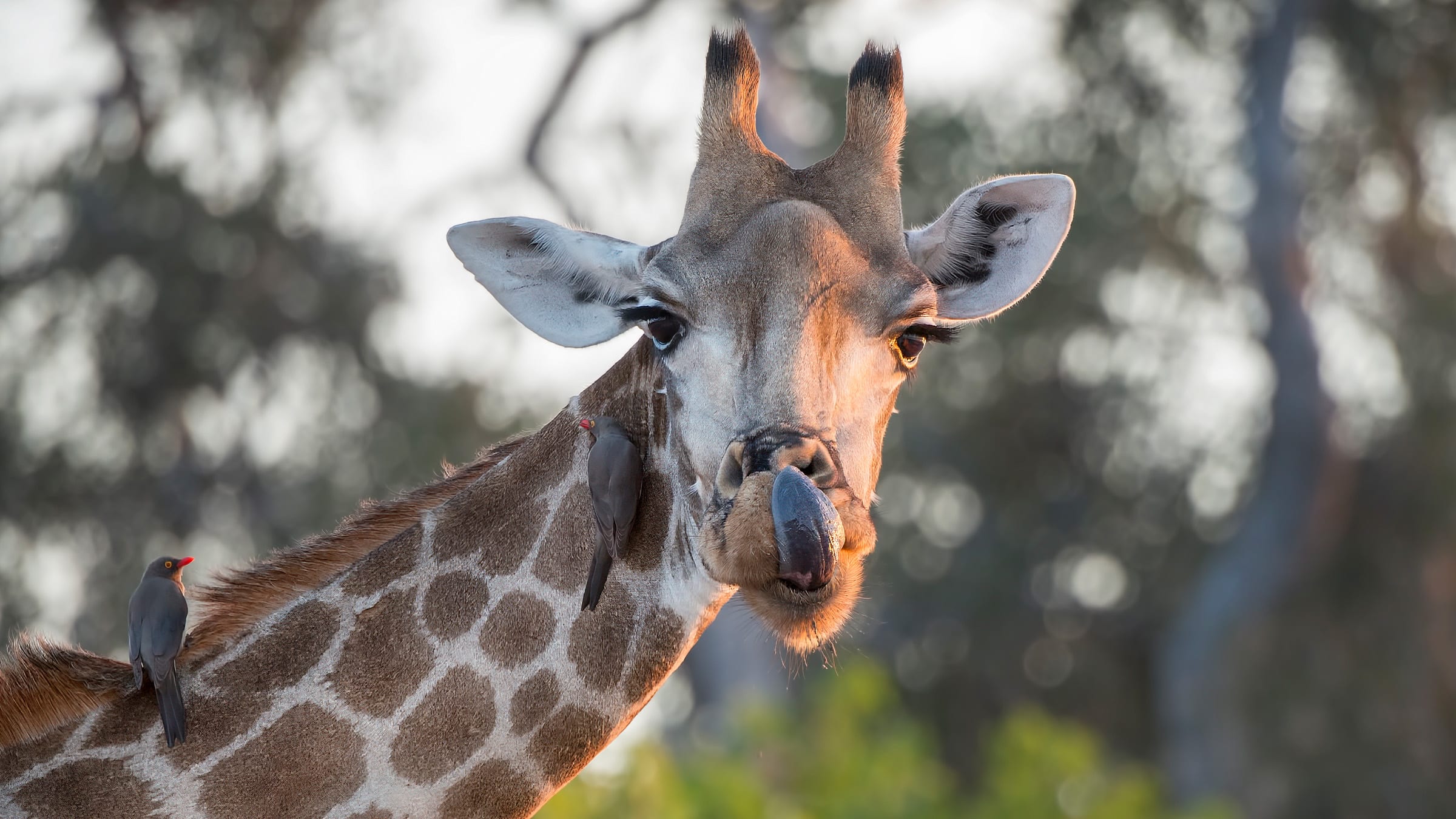




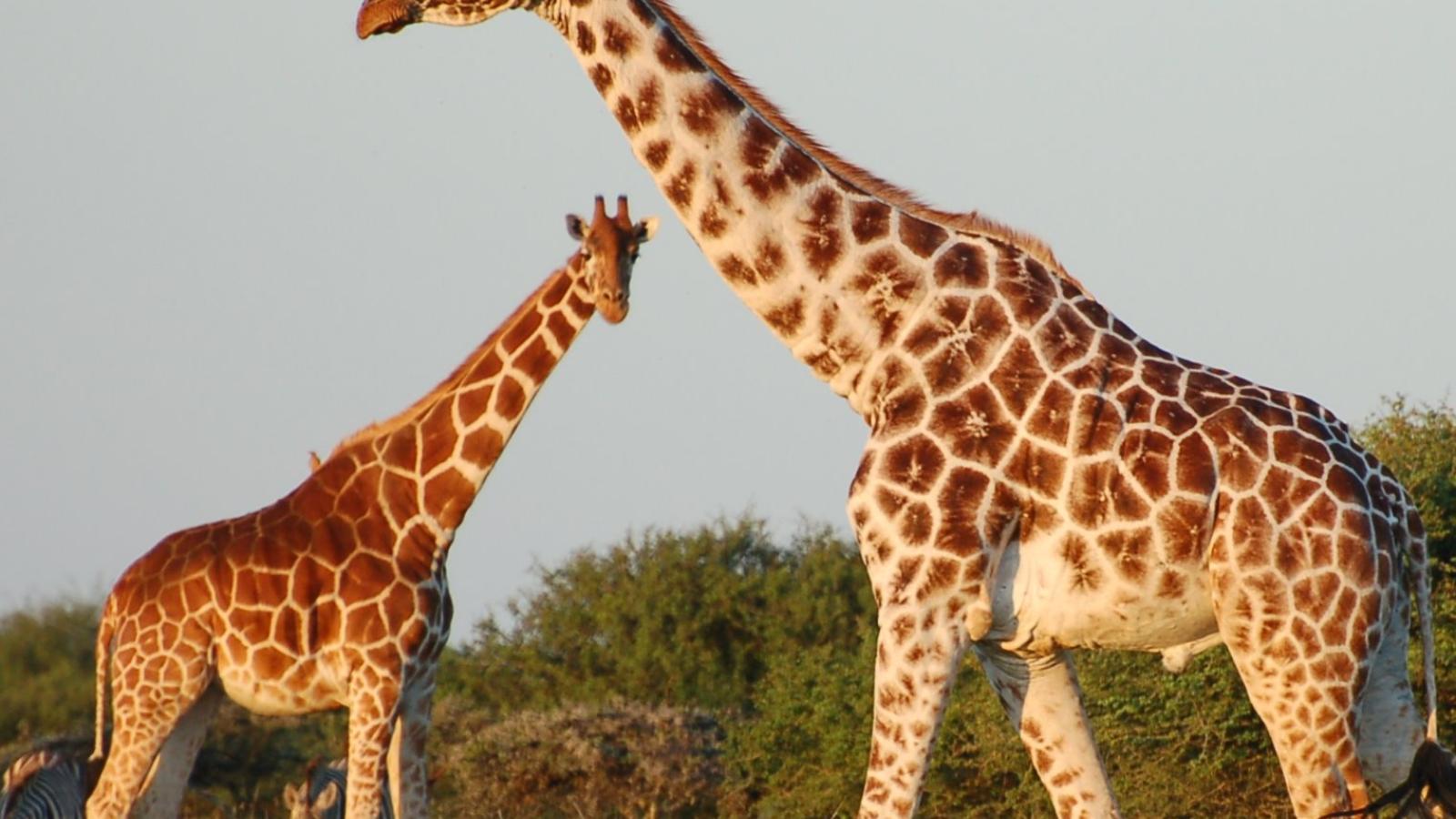


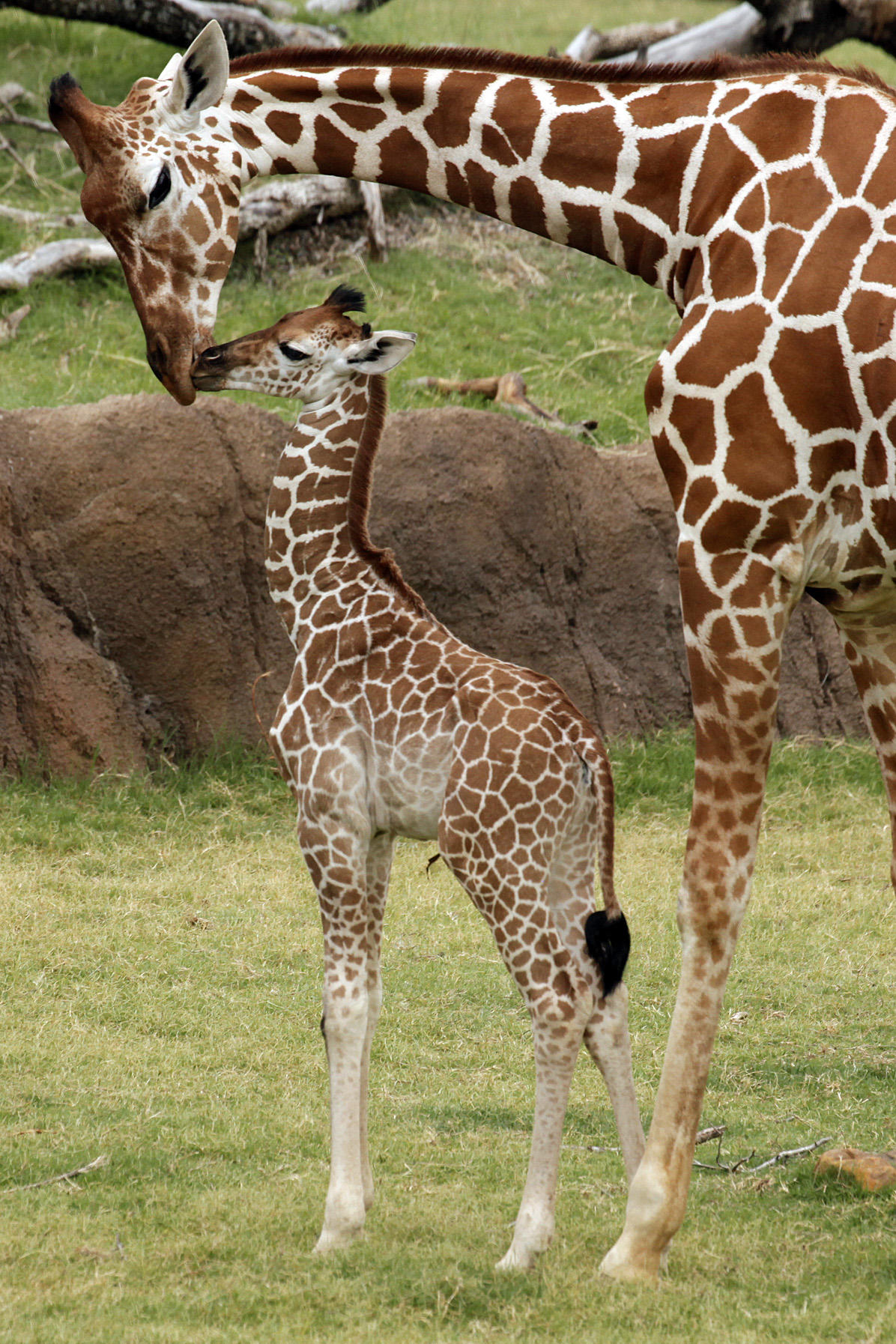



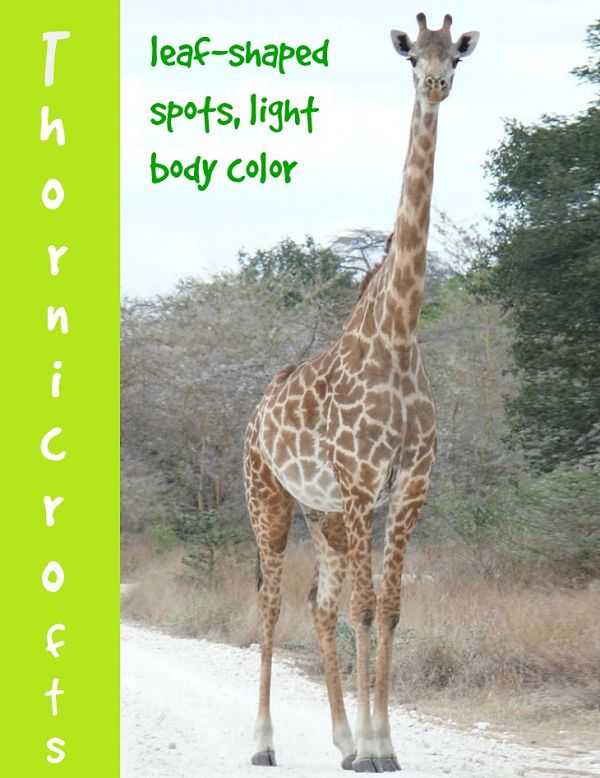
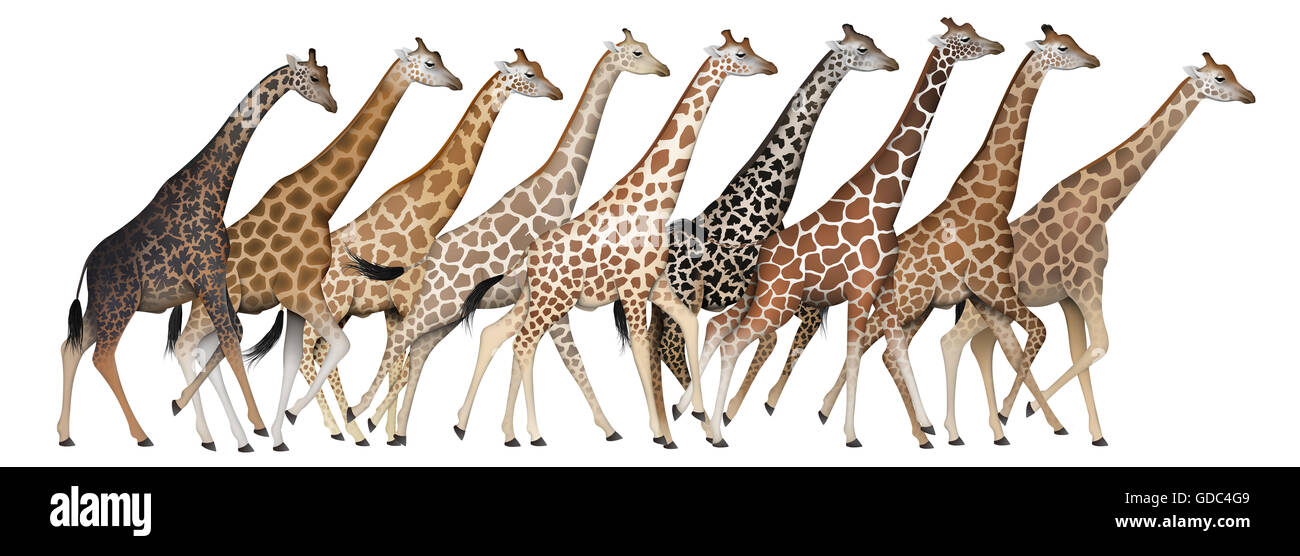

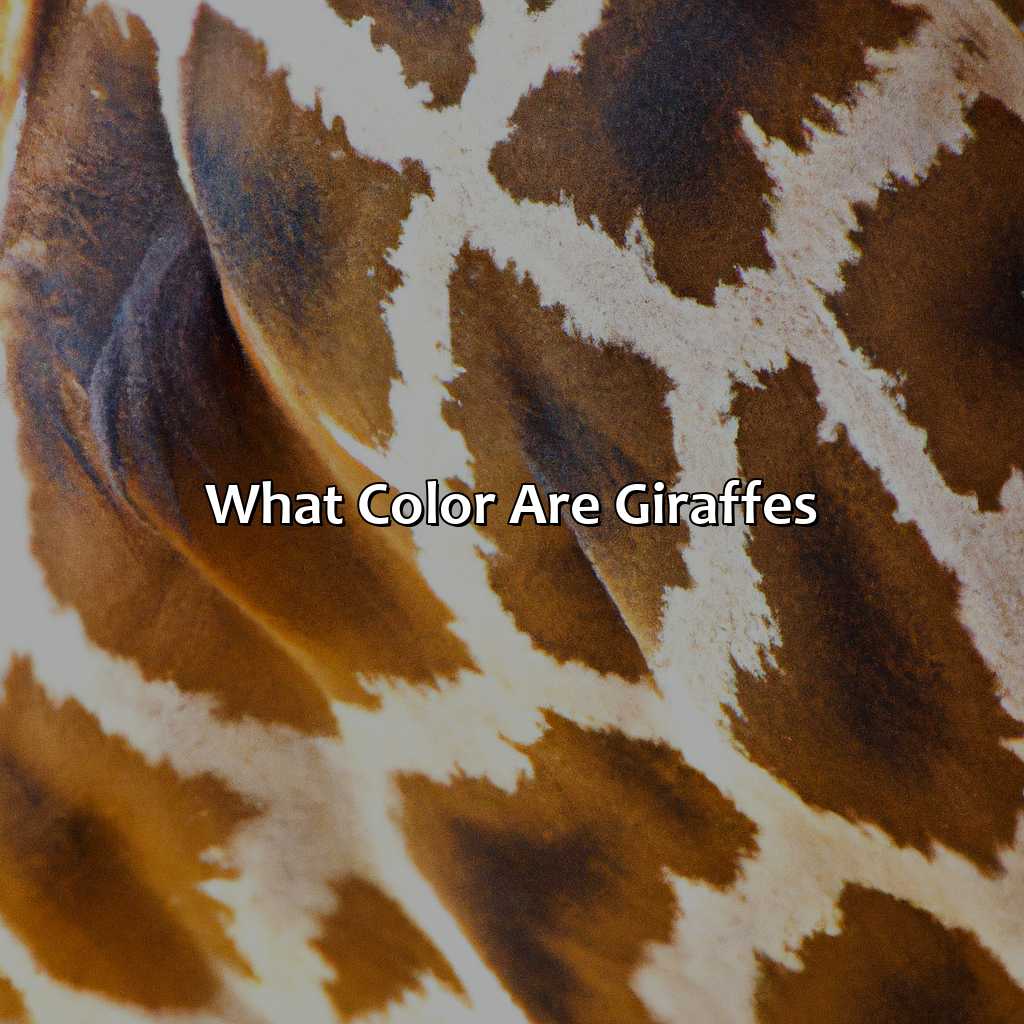
Meet the giraffe (Giraffa Camelopardalis) on the Animal Facts including their appearance, diet, lifespan, habitat, breeding and behaviour.. While giraffes are often associated with brown and yellow coats, they can also be found in a range of other colors, including: Red-brown: This is the most common color of giraffe, characterized by a reddish-brown coat with darker brown spots. Yellow-brown: Some giraffes have a lighter, more yellowish-brown coat with smaller spots.