Raphael Giglio THEY THOUGHT FOR THEMSELVES YouTube
Web.Goldbergfamily.Online·
We can use they to talk about a wide group of people, such as an authority or an institution.. You use they to refer to a group of people, animals, or things.
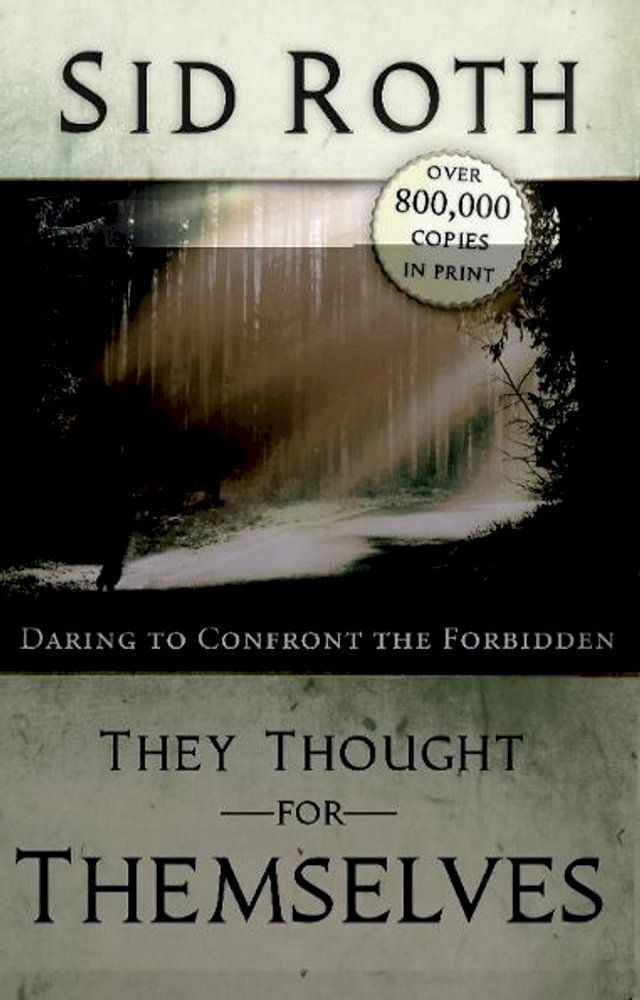
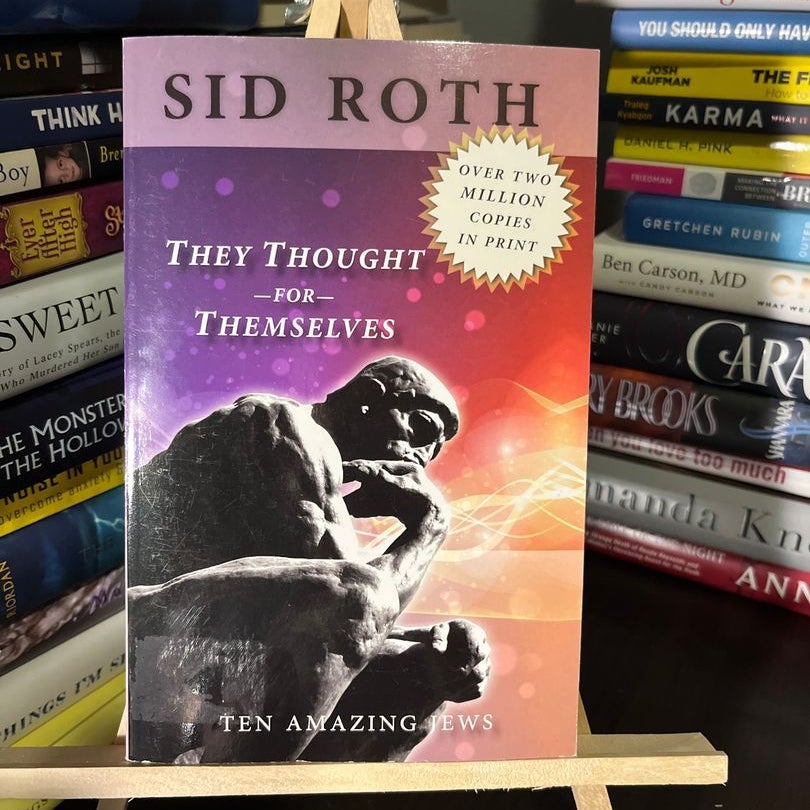
The truly successful person inspires others to do more thanThey Thought for Themselves Daring to Confront the ForbiddenRaphael Giglio THEY THOUGHT FOR THEMSELVES YouTubeThey thought for themselves by Sid Roth , Paperback PangobooksGreg Savitt They Thought for Themselves [ep 02] YouTubeRabbi Kirt Schneider They Thought for Themselves [ep 04] YouTube30 times people thought they were making a statement butFriedrich Nietzsche Quote “Men of profound thought appear toThey Thought for Themselves Daring to Confront the Forbidden byThey Thought for Themselves Ten Amazing Jews Sid Roth 9780768432107Why Humans Believe Their Thoughts Are ThemselvesFriedrich Nietzsche Quote “Men of profound thought appear toMilton Alvarez They Thought for Themselves [ep 03] YouTubeThey Thought for Themselves Daring to Confront the Forbidden RothDean Stein They Thought for Themselves [ep 07] YouTubeThey Thought for Themselves Daring to Confront the Forbidden byRichard Frieden They Thought for Themselves [ep 15] YouTubeThey Thought for Themselves Ten Amazing Jews Sid Roth, 0768428424Michelle Gold They Thought for Themselves [ep 01] YouTubeThey Thought for Themselves Audiobook by Sid RothMarni Mann Quote “Women thought they were doing themselves aT.J. Klune Quote “They thought themselves immortal. Not in theT.J. Klune Quote “They thought themselves immortal. Not in theThey Thought for Themselves Daring to Confront the Forbidden SidJane "Goldie" Winn They Thought for Themselves [ep 08] YouTubeThey Thought For Themselves Sid Roth eBayMarni Mann Quote “Women thought they were doing themselves aThey thought for themselves by Sid Roth , Paperback PangobooksThey Thought for Themselves Ten Amazing Jews PChome 24h書店
Learn how to know when to use they, them, and theirs appropriately and why it matters.. Words like everyone, anyone, and someone are typically understood as singular, which means that logically they should be paired with a singular pronoun like him or her.



![Greg Savitt They Thought for Themselves [ep 02] YouTube](https://i.ytimg.com/vi/CQKKbp9lJ1o/maxresdefault.jpg?sqp=-oaymwEmCIAKENAF8quKqQMa8AEB-AH-CYAC0AWKAgwIABABGGAgZShDMA8=&rs=AOn4CLDkV-mqAMo_IJJW38U20180r7jlqw "Greg Savitt They Thought for Themselves [ep 02] YouTube")
![Rabbi Kirt Schneider They Thought for Themselves [ep 04] YouTube](https://i.ytimg.com/vi/eQjlvAQxfrs/maxresdefault.jpg?sqp=-oaymwEmCIAKENAF8quKqQMa8AEB-AH-CYAC0AWKAgwIABABGHIgQSgxMA8=&rs=AOn4CLBHQEwWaDWJyqo3Fwo8abzw2QIo4Q "Rabbi Kirt Schneider They Thought for Themselves [ep 04] YouTube")






![Milton Alvarez They Thought for Themselves [ep 03] YouTube](https://i.ytimg.com/vi/xRR9ldwZ2Dk/maxresdefault.jpg?sqp=-oaymwEmCIAKENAF8quKqQMa8AEB-AH-CYAC0AWKAgwIABABGGUgYCg9MA8=&rs=AOn4CLDBa0spFoPIjNi6yITfY-j44yDvCQ "Milton Alvarez They Thought for Themselves [ep 03] YouTube")

![Dean Stein They Thought for Themselves [ep 07] YouTube](https://i.ytimg.com/vi/w6SZ2pPdb-c/maxresdefault.jpg?sqp=-oaymwEmCIAKENAF8quKqQMa8AEB-AH-CYAC0AWKAgwIABABGGUgUShCMA8=&rs=AOn4CLA_LkGJnjeV57UeE6VywX5XRbAgiw "Dean Stein They Thought for Themselves [ep 07] YouTube")

![Richard Frieden They Thought for Themselves [ep 15] YouTube](https://i.ytimg.com/vi/tOH6TBV2rek/maxresdefault.jpg?sqp=-oaymwEmCIAKENAF8quKqQMa8AEB-AH-CYAC0AWKAgwIABABGGUgVChIMA8=&rs=AOn4CLCEL6_9gculjGlNAECKWMcZ1VRKcA "Richard Frieden They Thought for Themselves [ep 15] YouTube")

![Michelle Gold They Thought for Themselves [ep 01] YouTube](https://i.ytimg.com/vi/tV5Y1QOv6wE/maxresdefault.jpg?sqp=-oaymwEmCIAKENAF8quKqQMa8AEB-AH-CYAC0AWKAgwIABABGE8gZSgpMA8=&rs=AOn4CLDEdfiWydfH6fl1bC9fKKZTPXiekw "Michelle Gold They Thought for Themselves [ep 01] YouTube")