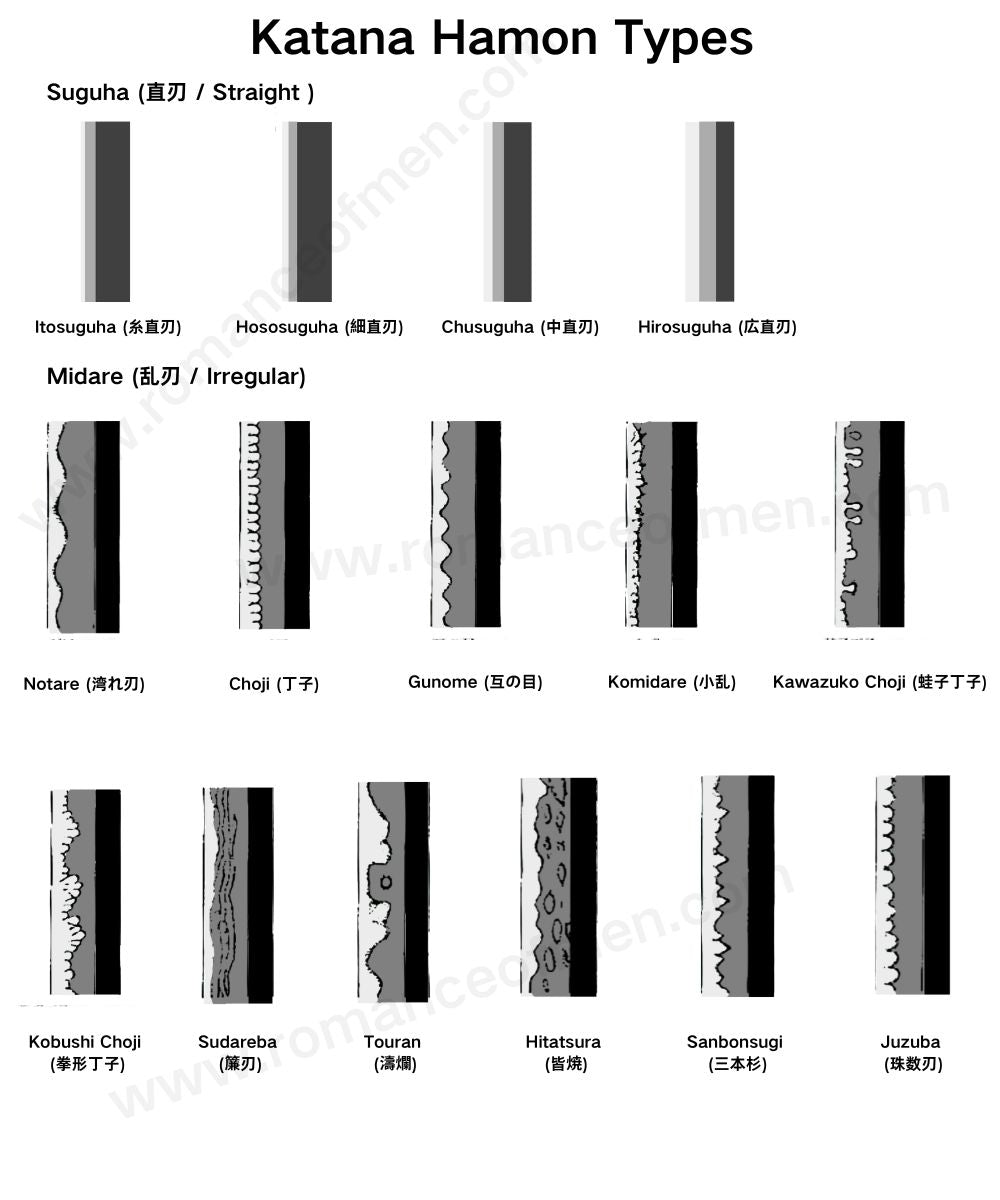
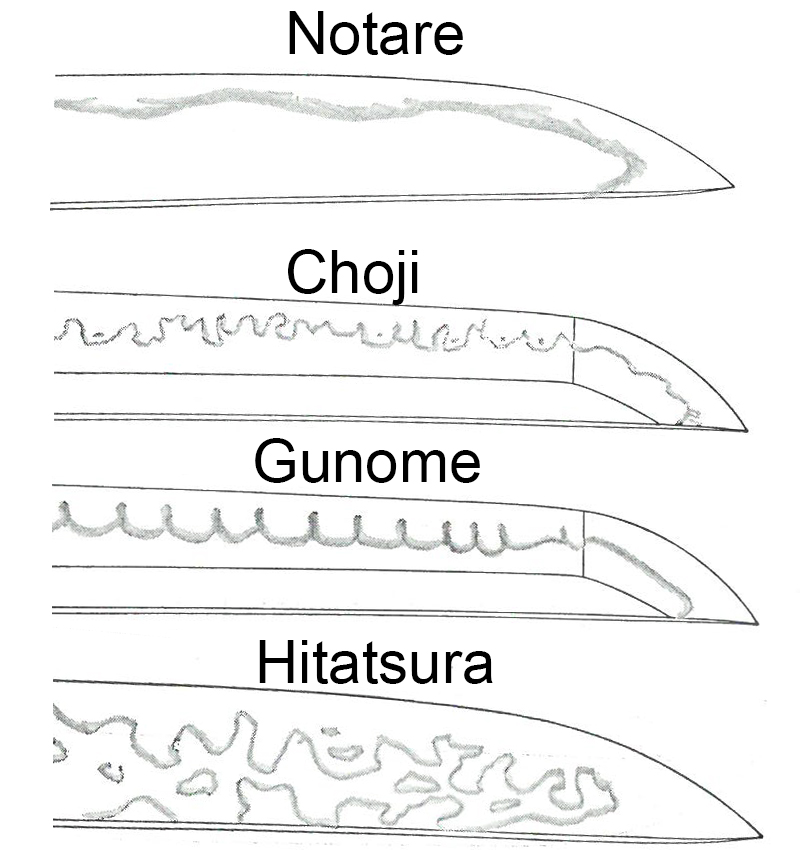
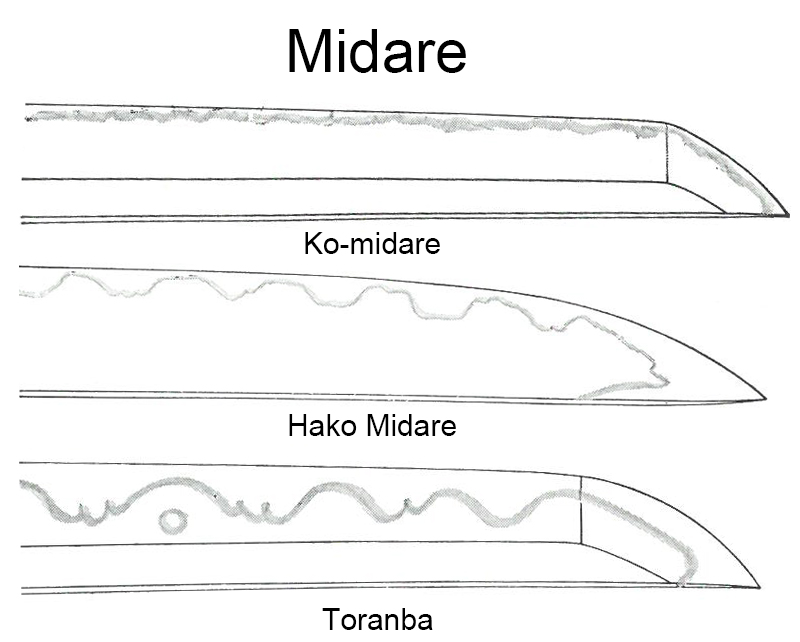
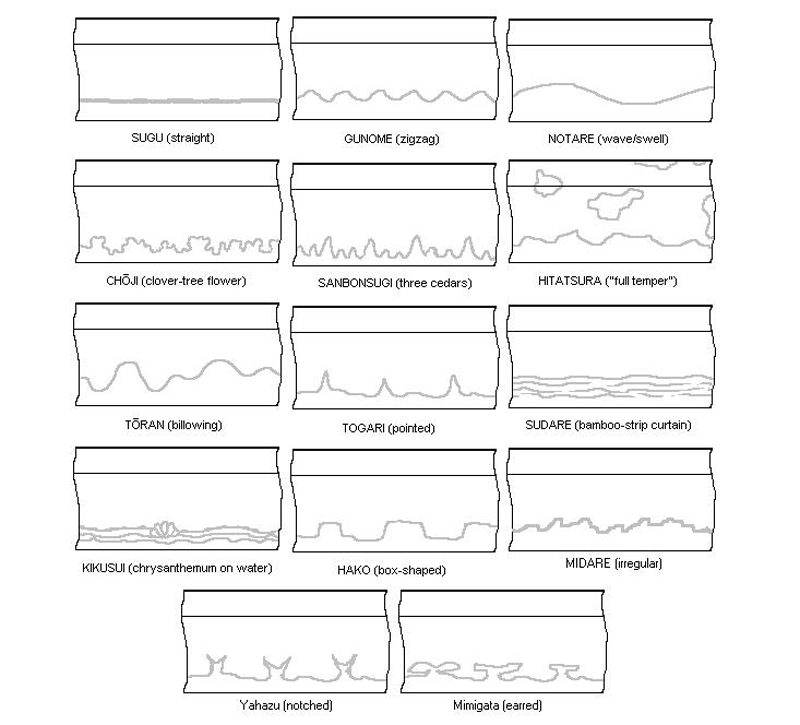
Types of hamon. The first is a straight pattern and the remaining are various irregular patterns (gunome). The layers in this sword are visible due to a difference in carbon content. The effect is exaggerated at the notare hamon, giving it a wispy appearance. The shape of the hamon is affected by many factors, but is primarily controlled by the shape of the clay coating at the time of.. The hamon is essential to a true Japanese sword. Follow along as we explore what the hamon is, how to judge its quality, its practical function, and the history behind it. What Is Hamon? What Makes a Good Hamon How to View the Hamon Clearly Reading the Details: Nioiguchi, Habuchi, and Ashi Why the Hamon Matters in Use

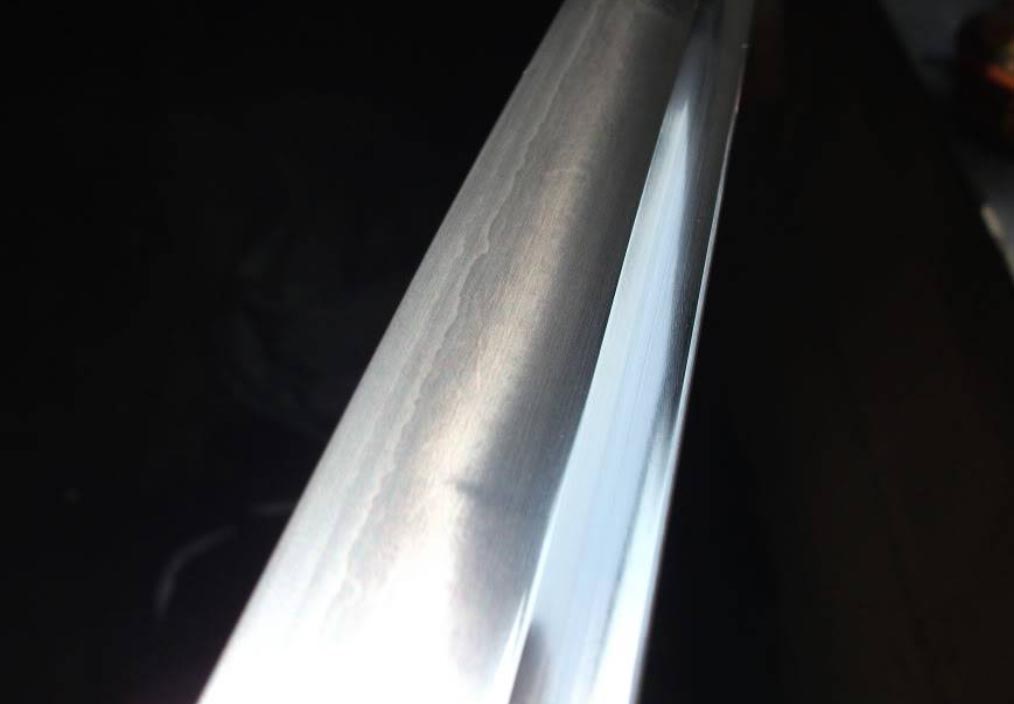

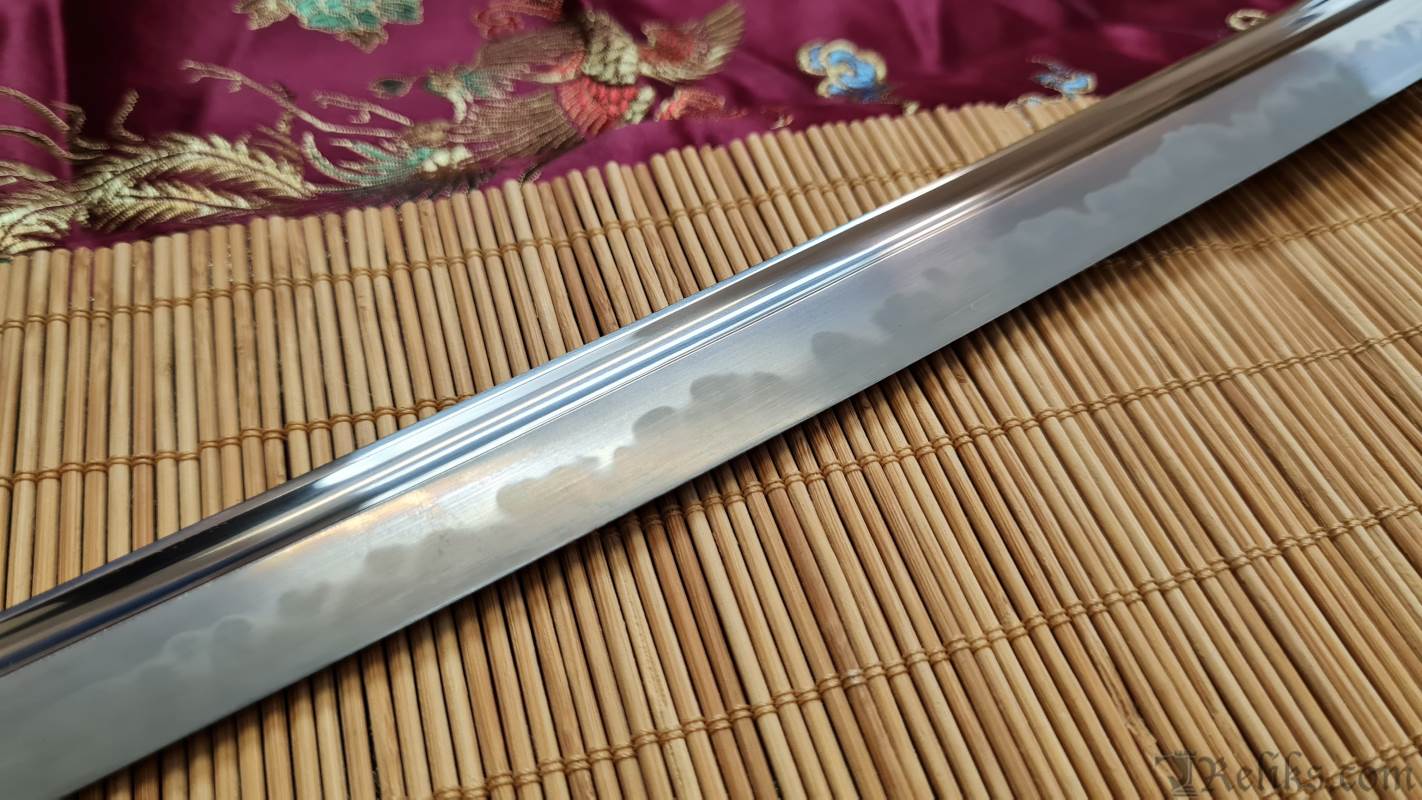
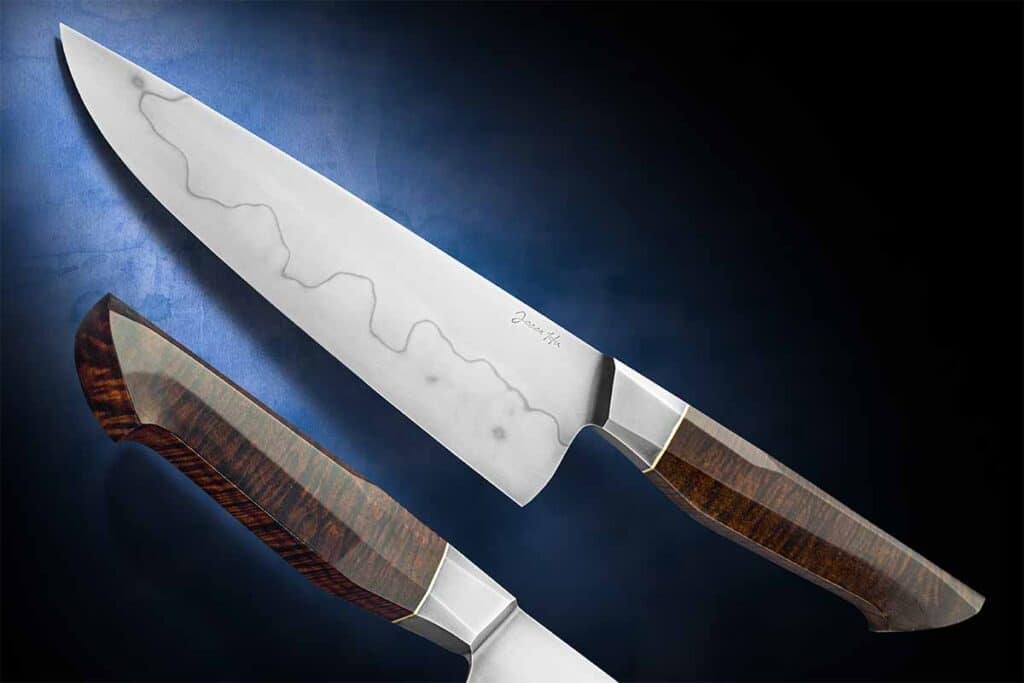

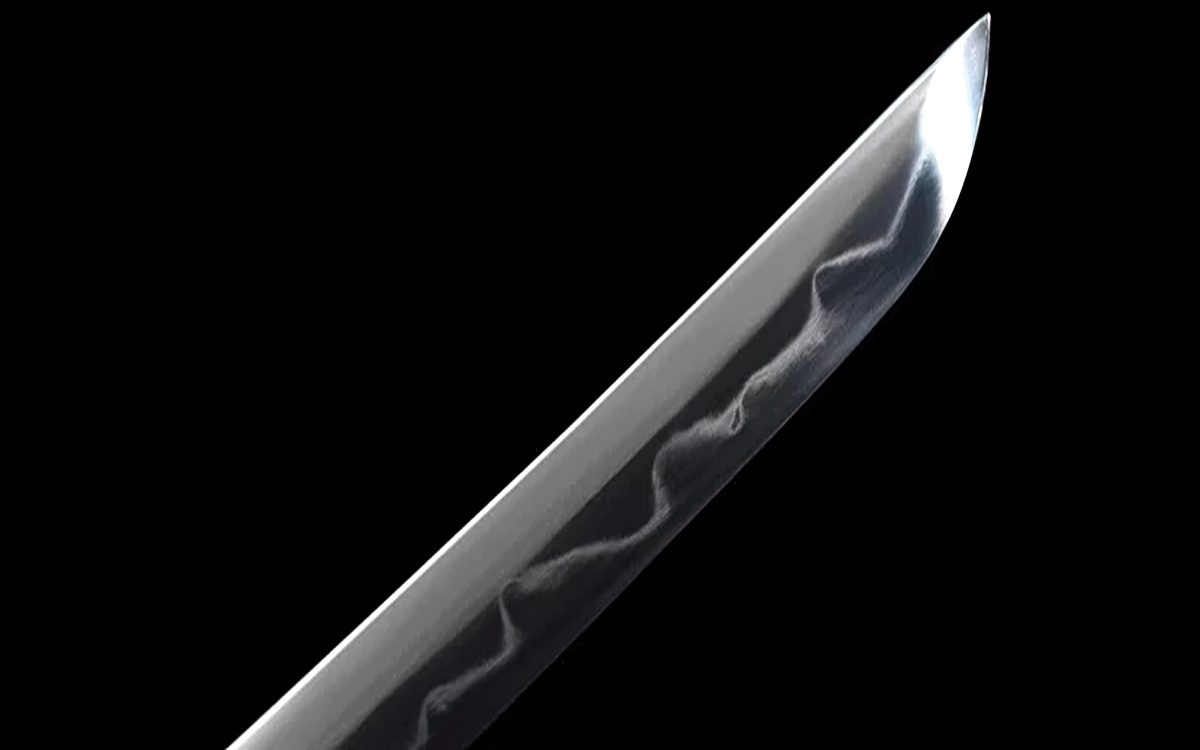


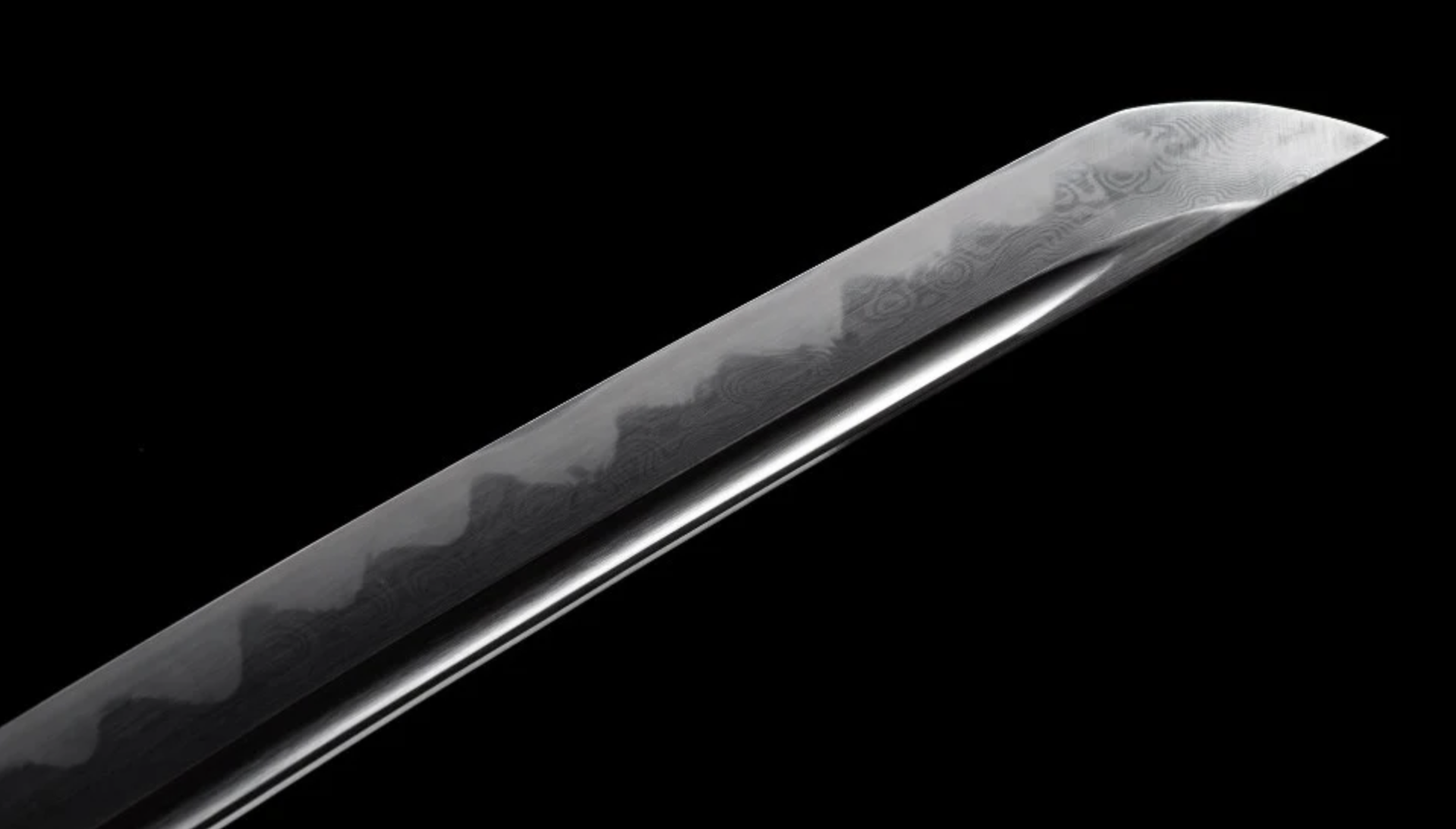


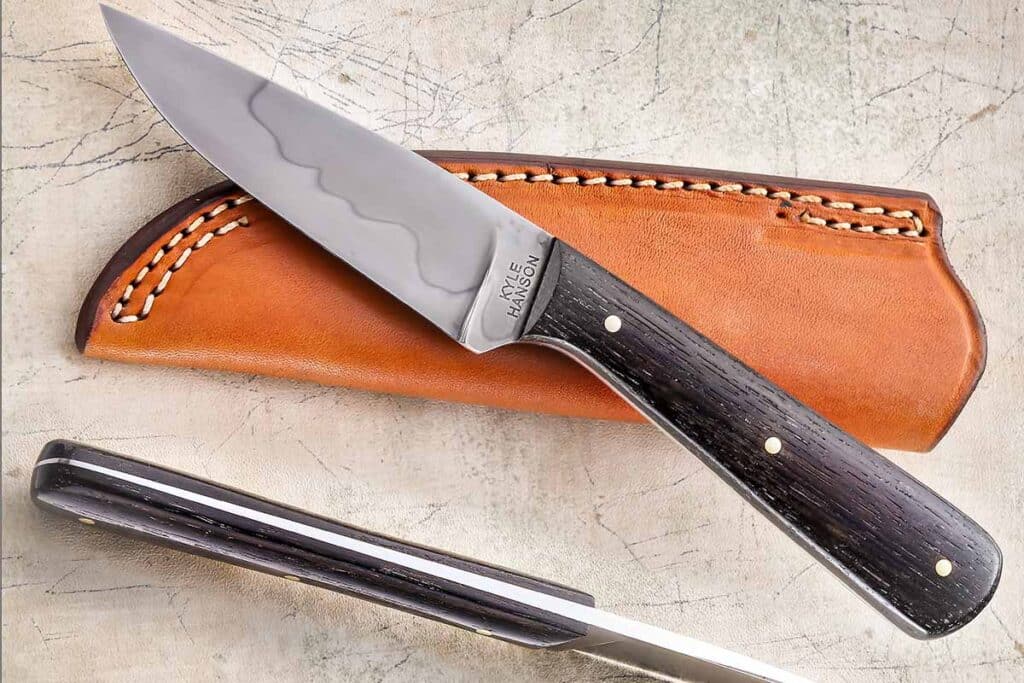




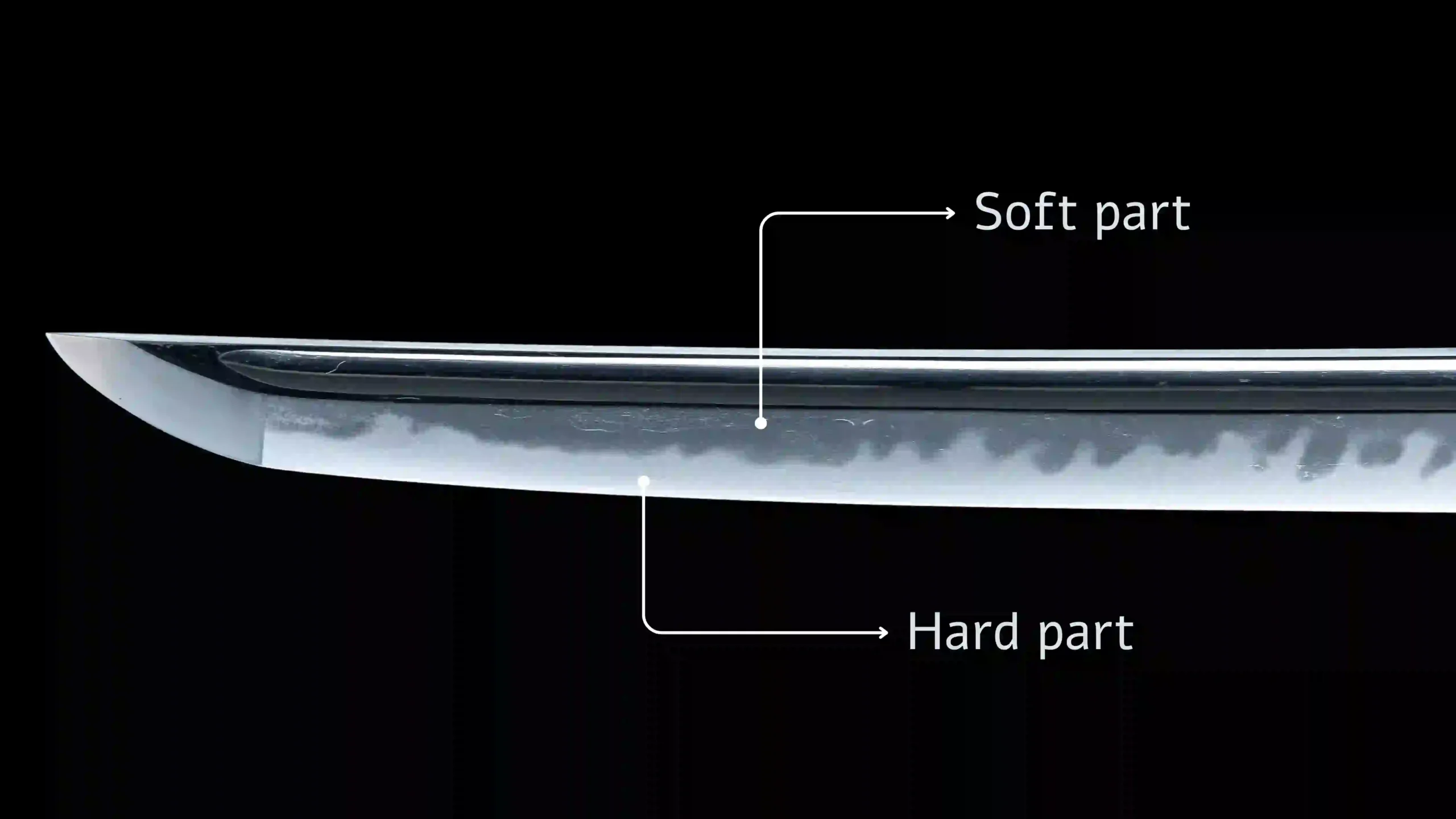
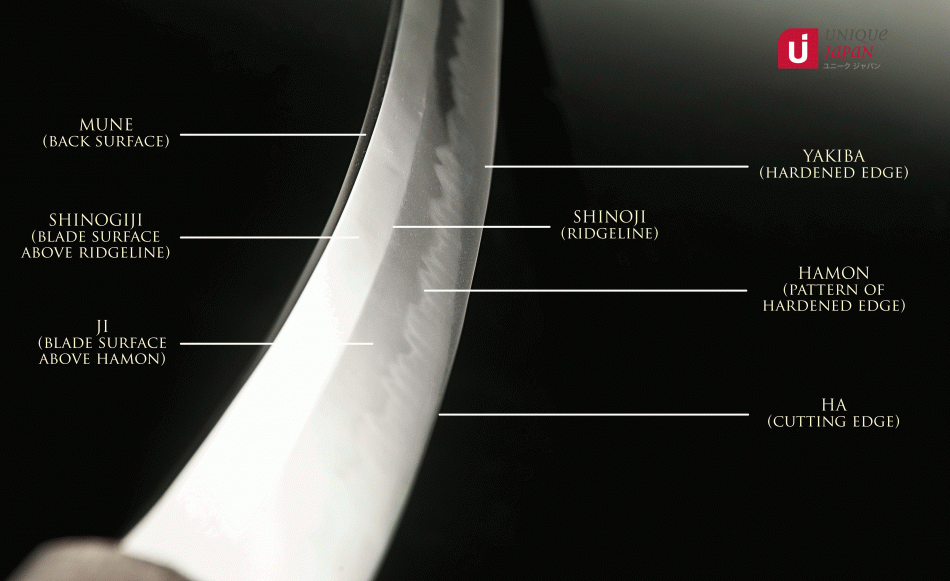



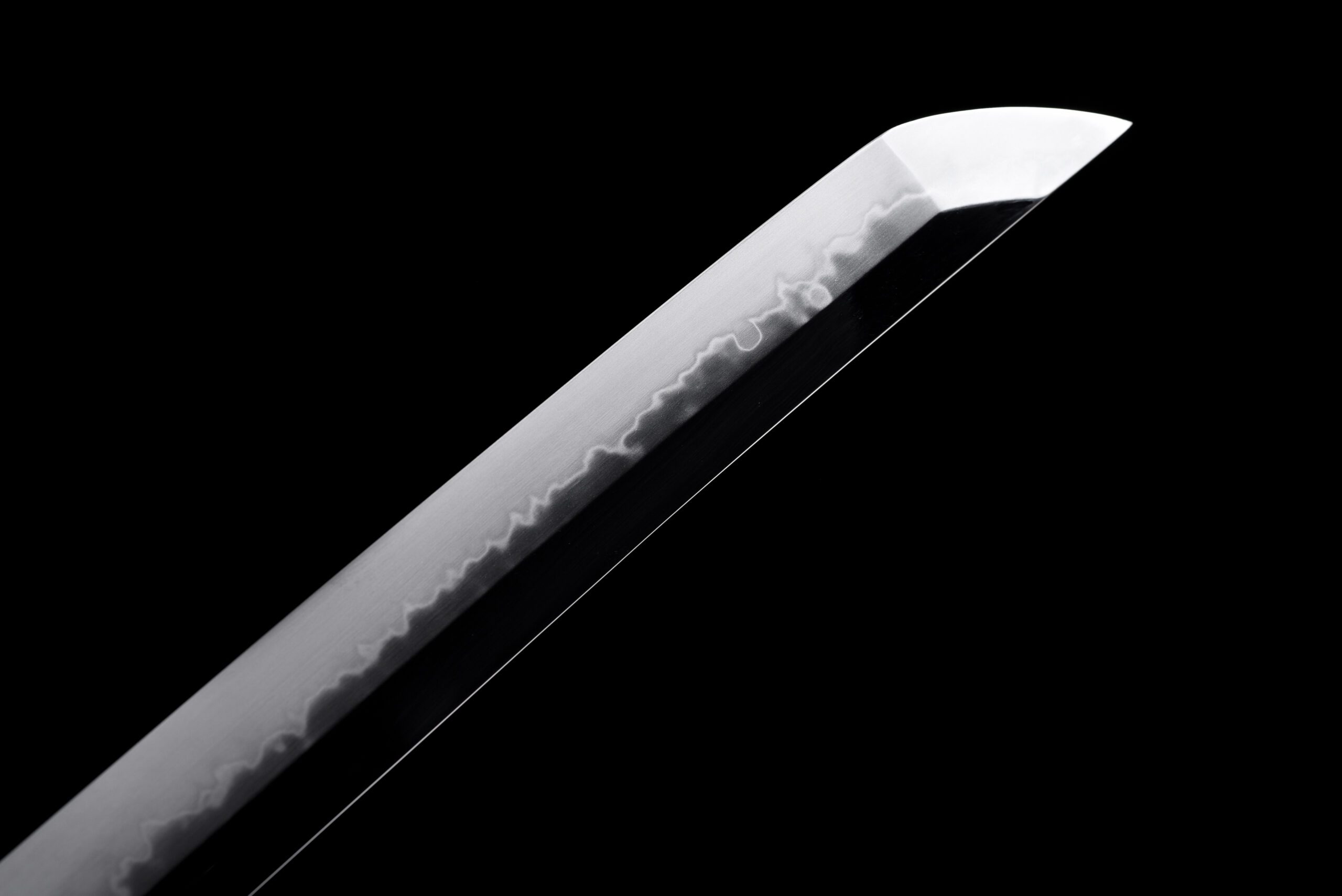
The hamon is the visible temper line on a katana blade, created during differential hardening (clay tempering). It marks the boundary between the hard cutting edge (martensite) and the softer spine (pearlite).. What Is An Etched Hamon? Difference between clay-tempered (up) and etched hamon (down) An etched hamon on replicas of Japanese swords is a pattern artificially created using acid or other chemicals along with selective etching and polishing techniques to mimic the hamon on traditionally made Japanese blades.