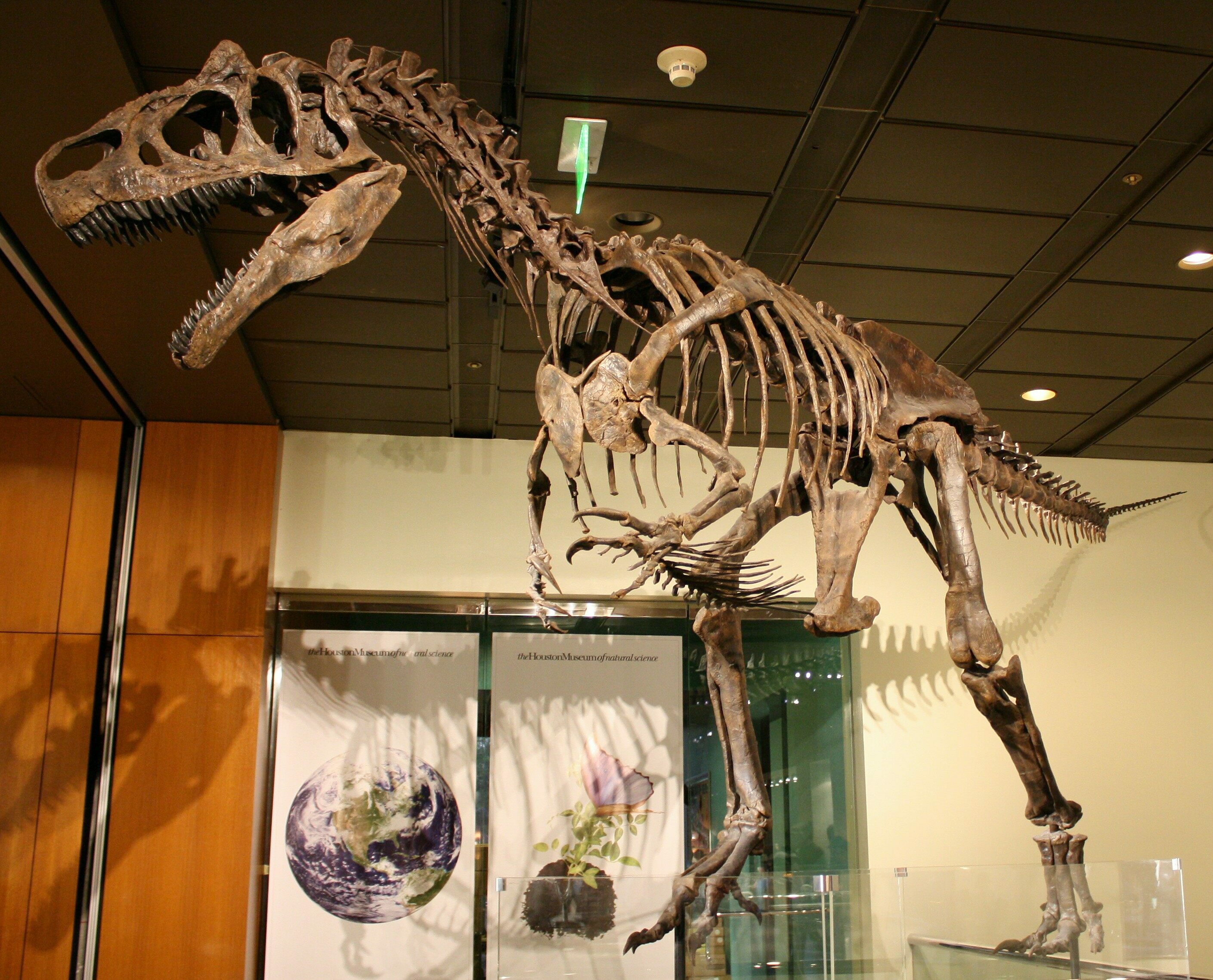
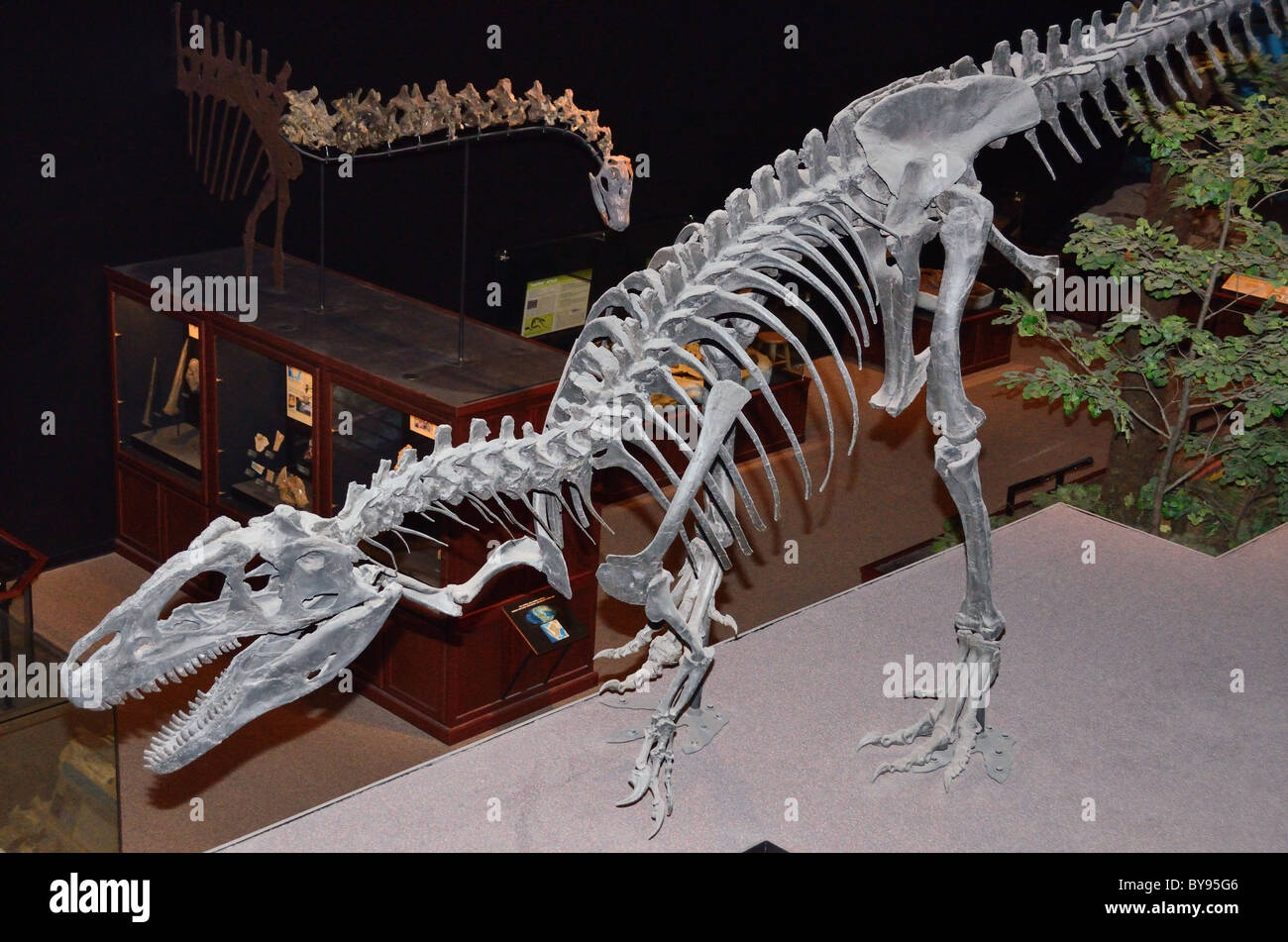
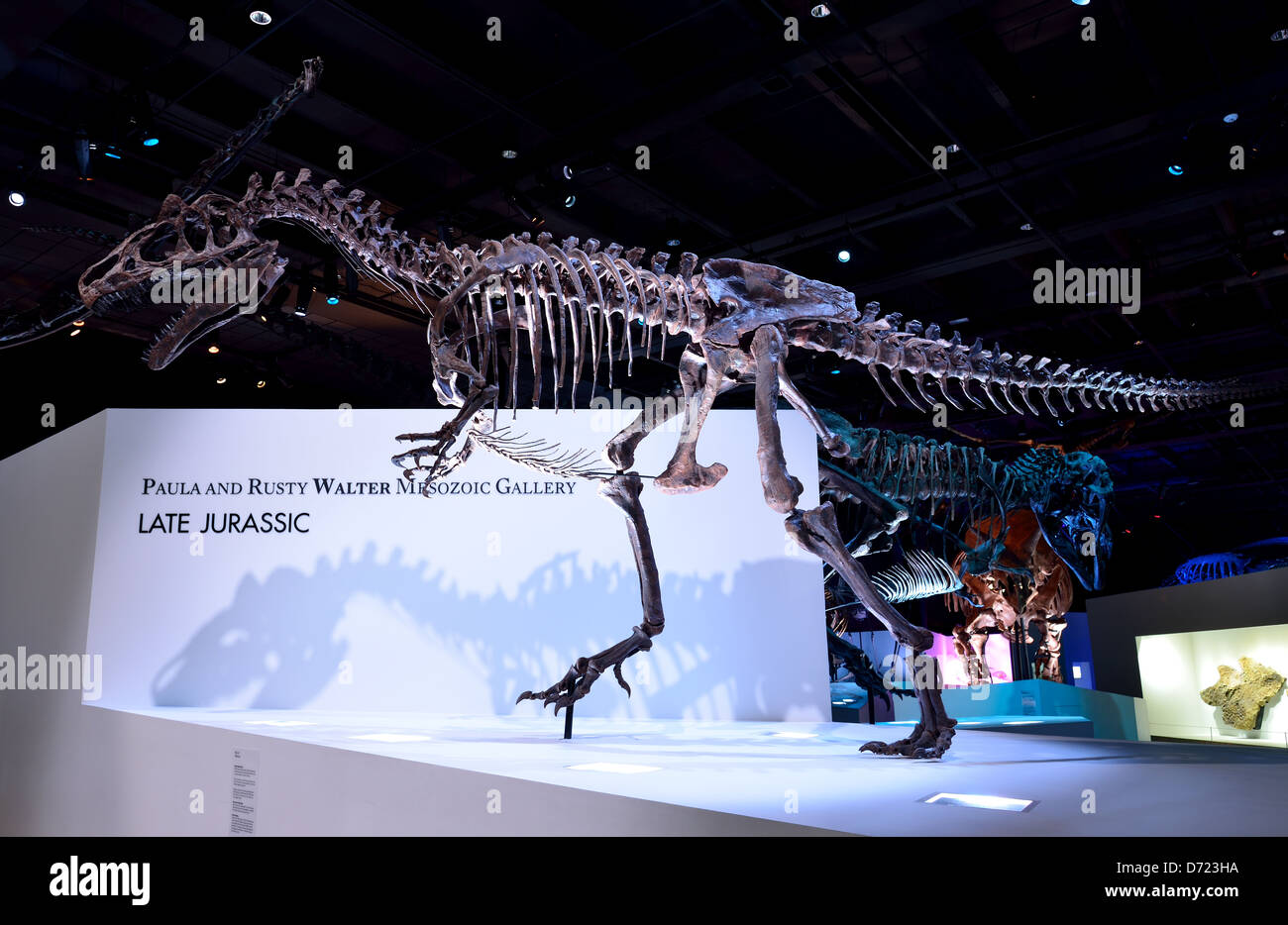
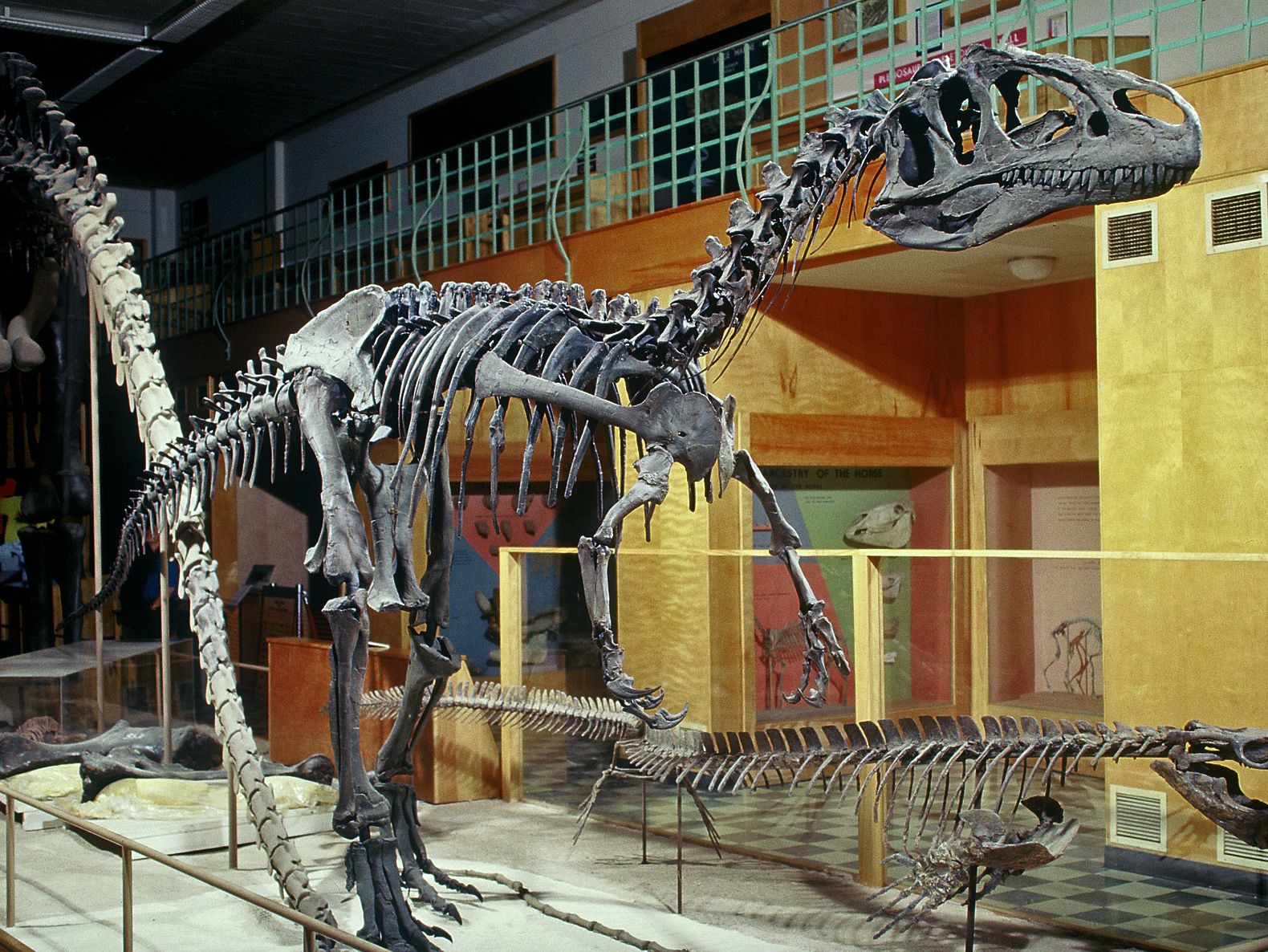
Allosaurus was discovered during the Bone Wars, a feud between two American paleontologists, Othniel Charles Marsh and Edward Drinker Cope, that led to a surge of fossil discoveries in the Western US. [2] The first described fossil in the taxonomic history of Allosaurus was a bone obtained secondhand by Ferdinand V. Hayden in 1869. [3]: 11 [4] It came from Middle Park, near Granby, Colorado.. Big Al's skeleton was nearly complete, with over 95% of its bones intact. This level of preservation is incredibly rare and provided scientists with an unprecedented opportunity to study the anatomy and biology of Allosaurus in exquisite detail. The discovery of Big Al has since become one of the most significant finds in the field of paleontology, shedding light on the life and behavior of.


:max_bytes(150000):strip_icc()/GettyImages-1061115128-5c3a464ec9e77c0001bc01d2.jpg "10 Key Facts About the Allosaurus")






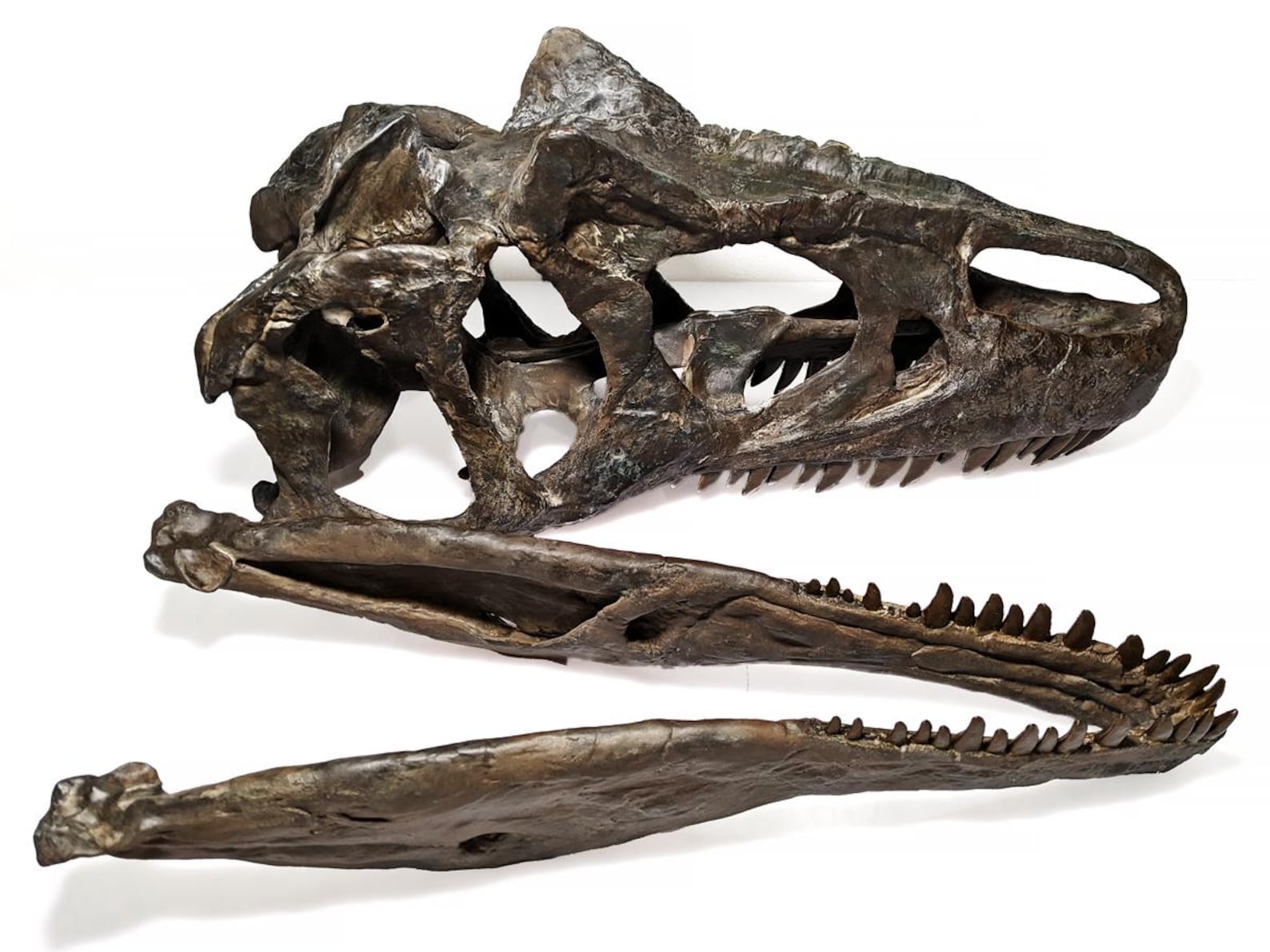

![Species New to Science [Paleontology • 2020] Allosaurus jimmadseni •](https://blogger.googleusercontent.com/img/b/R29vZ2xl/AVvXsEiBDctIaOfCOBpPzvfwsU5BPwDCEvut7tFdQl-jWD3zlnKwpGPoyAIaJ6Lqw261Mj_MCfZ1-X6yiYrU3zx3O0PDWKXn6-HrwS7ZBKjD3tPFAkJI6oqWnu6QPKdyTiYHrgytt_zJ-IPlpriR/s1600/Allosaurus_jimmadseni-novataxa_2020-Chure_et_Loewen-iii.png "Species New to Science [Paleontology • 2020] Allosaurus jimmadseni • A")
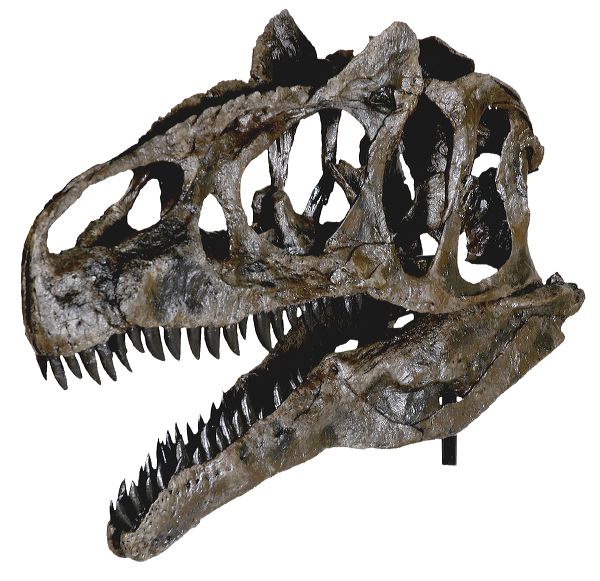
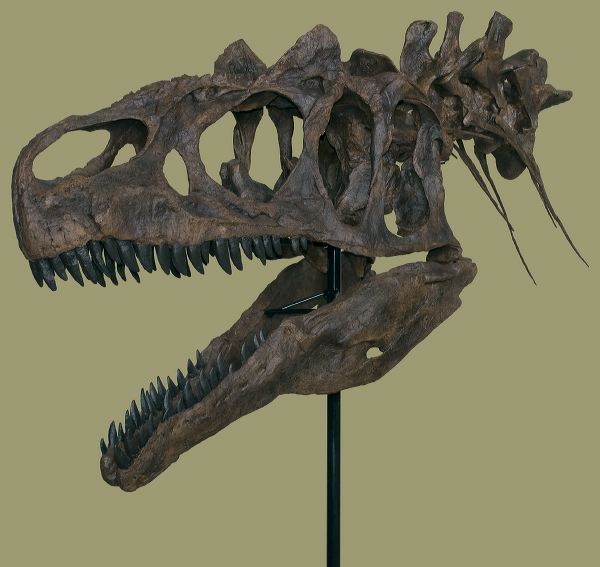


:max_bytes(150000):strip_icc()/allosaurusWC5-58b9ac535f9b58af5c91449e.jpg "10 Facts About Allosaurus")
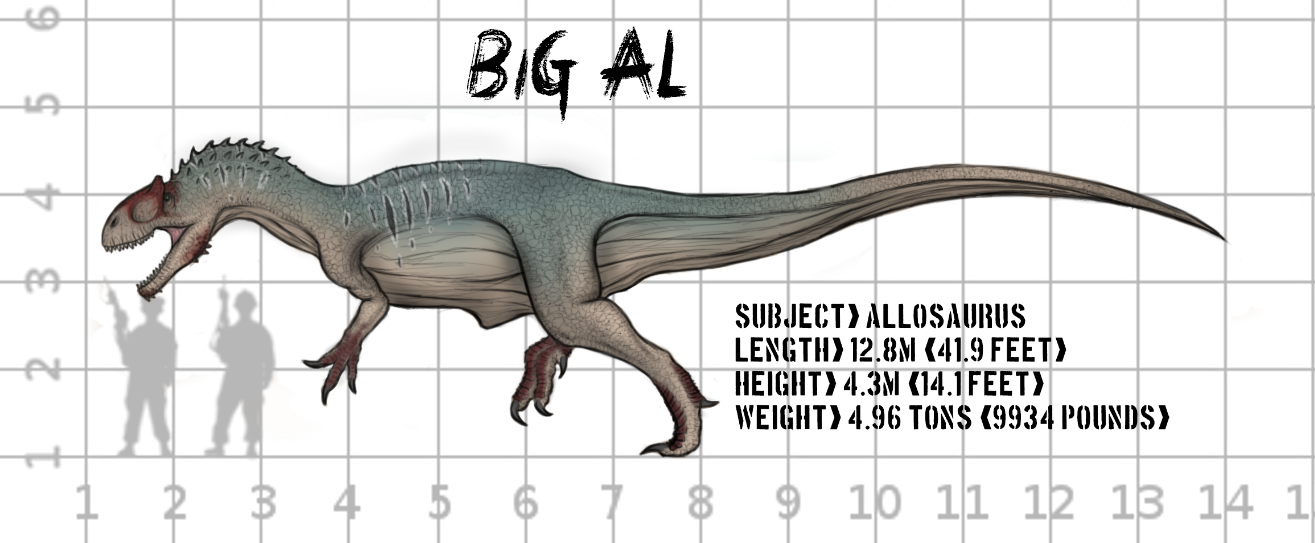
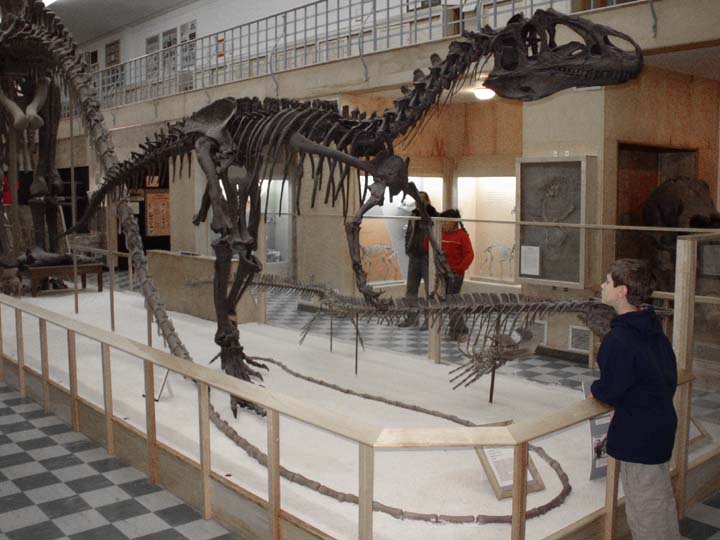
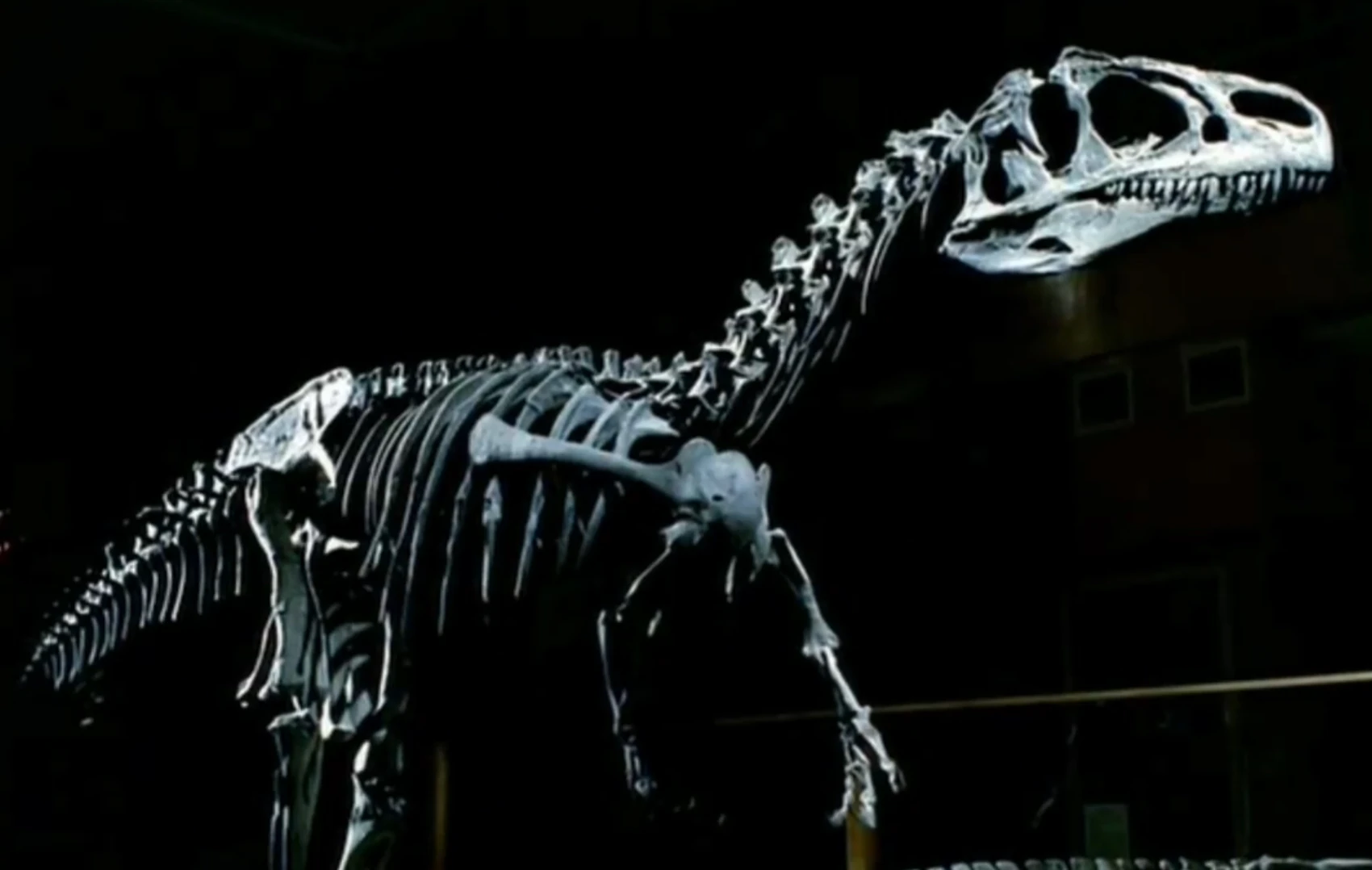
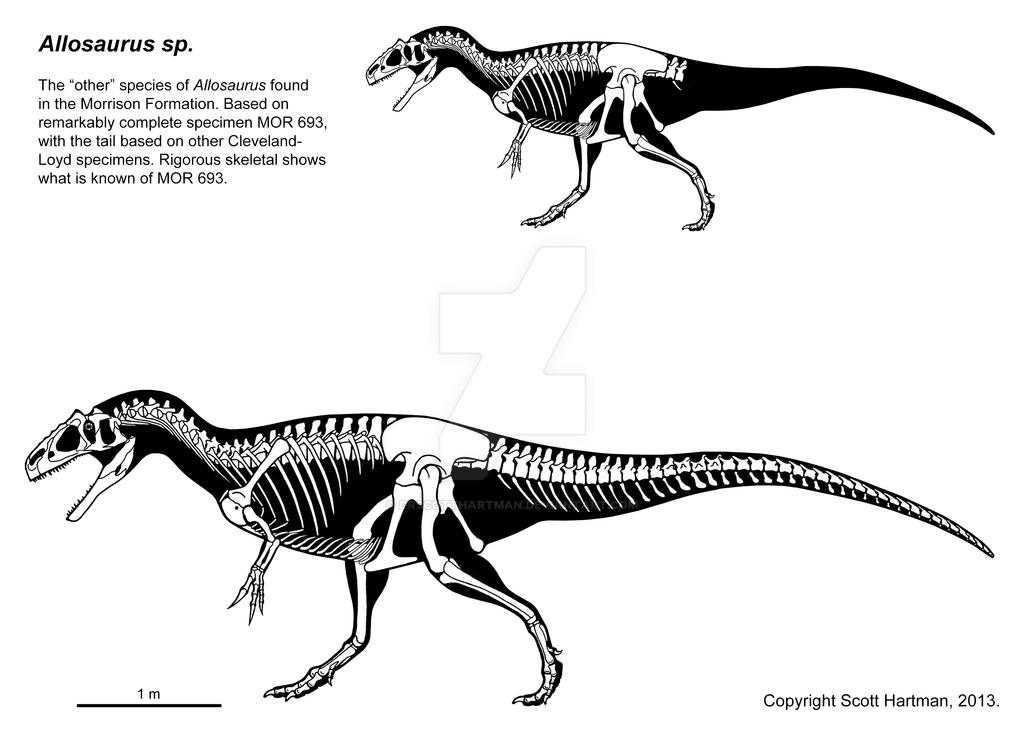
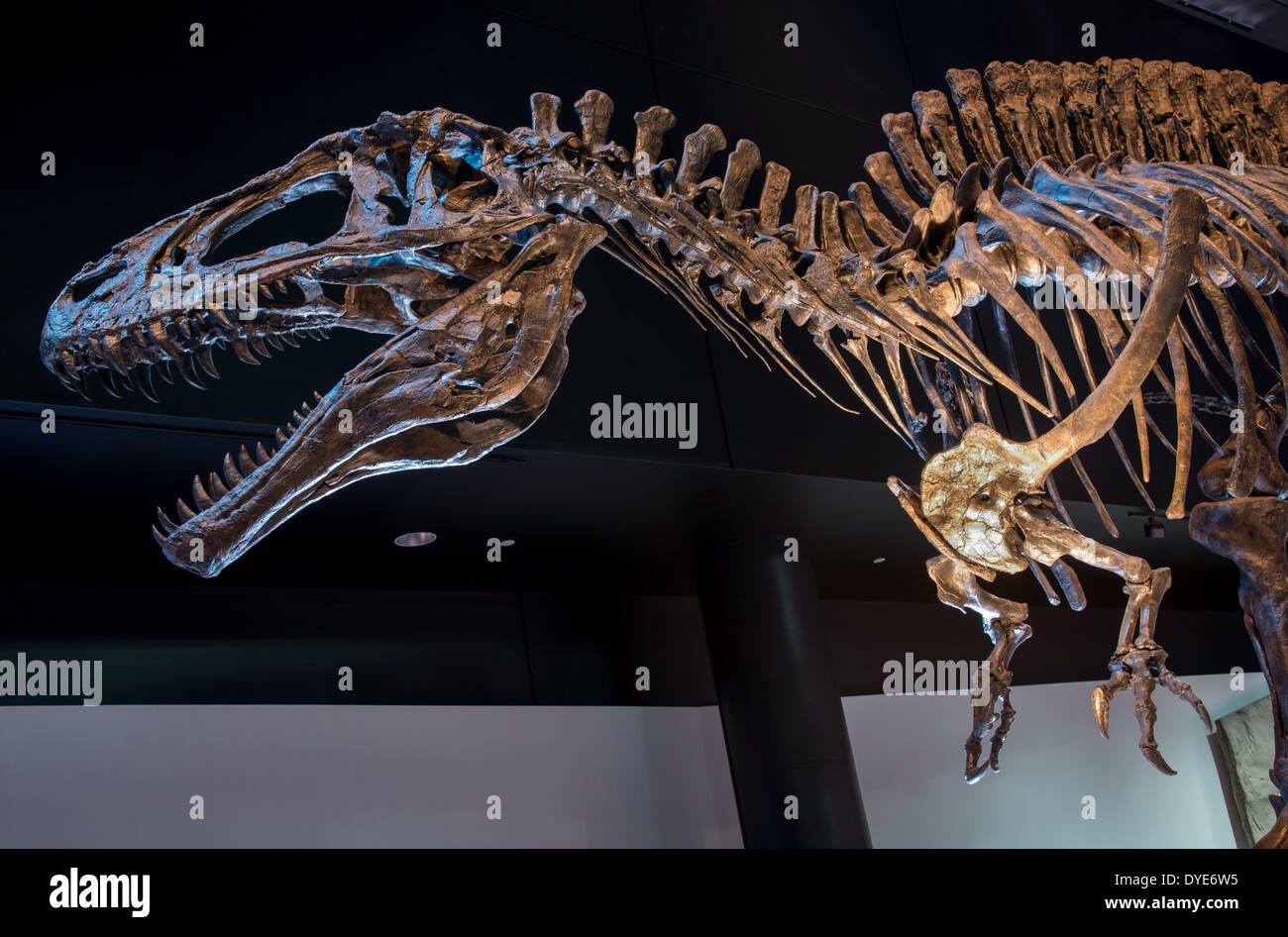
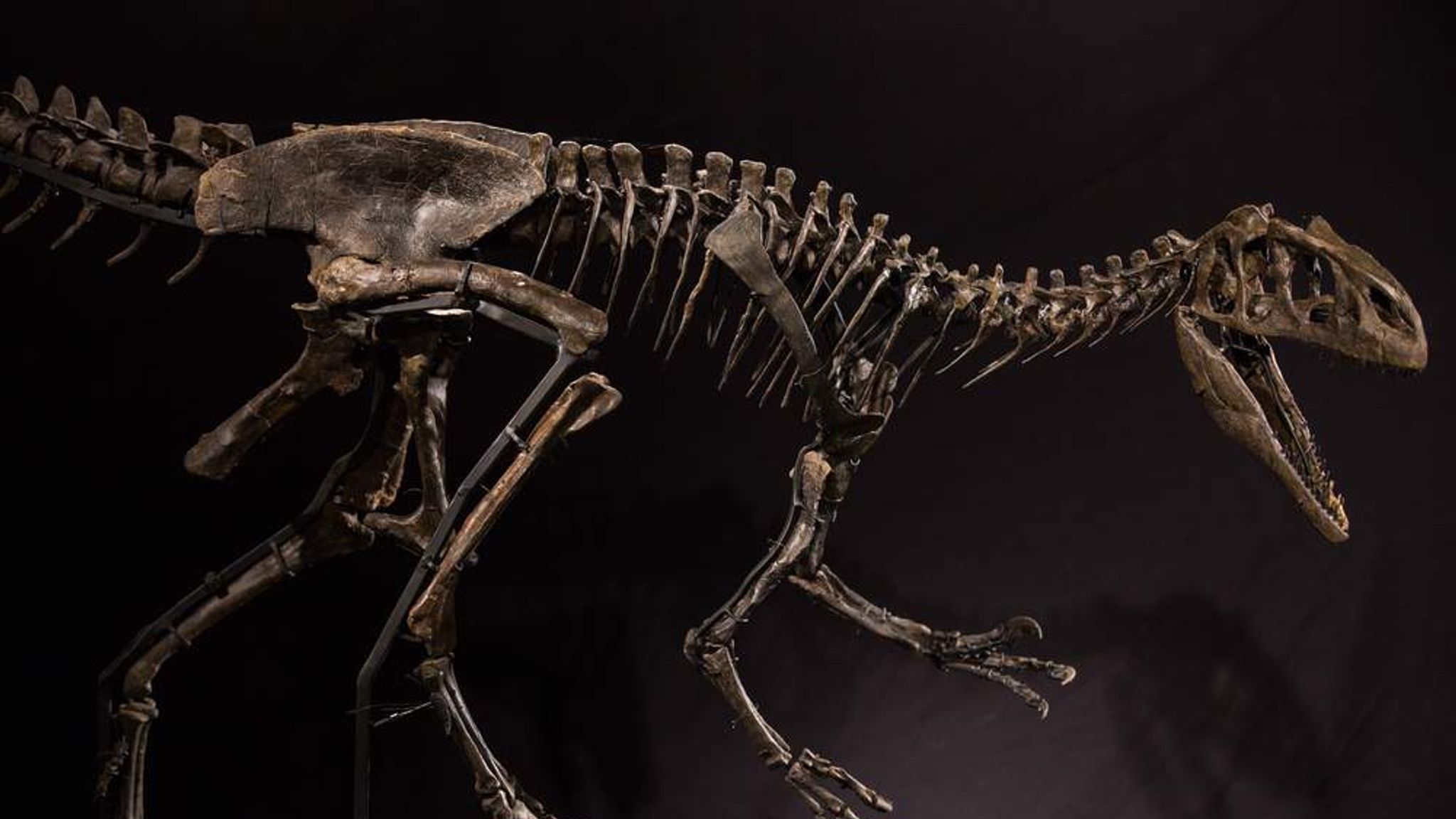
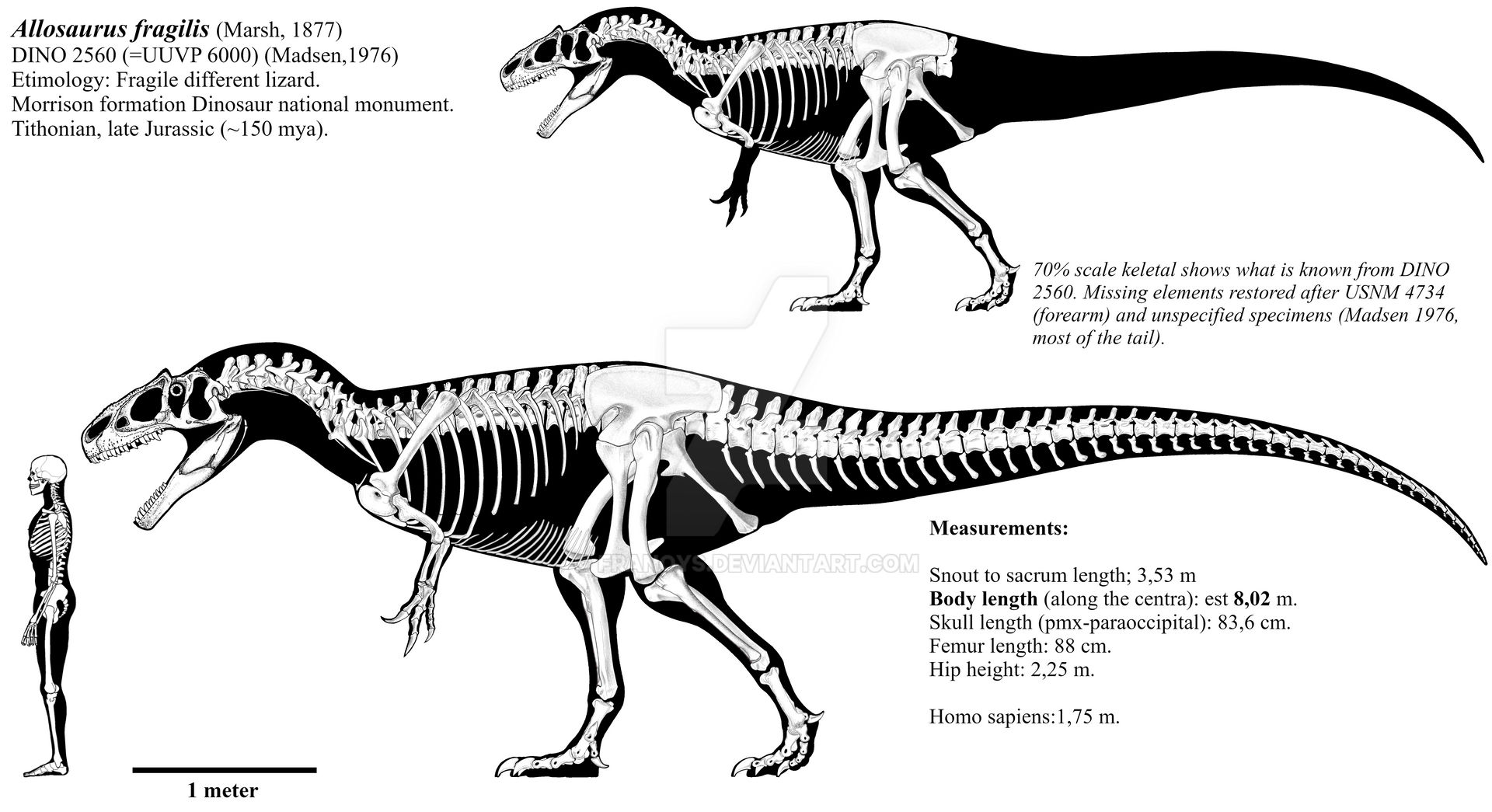
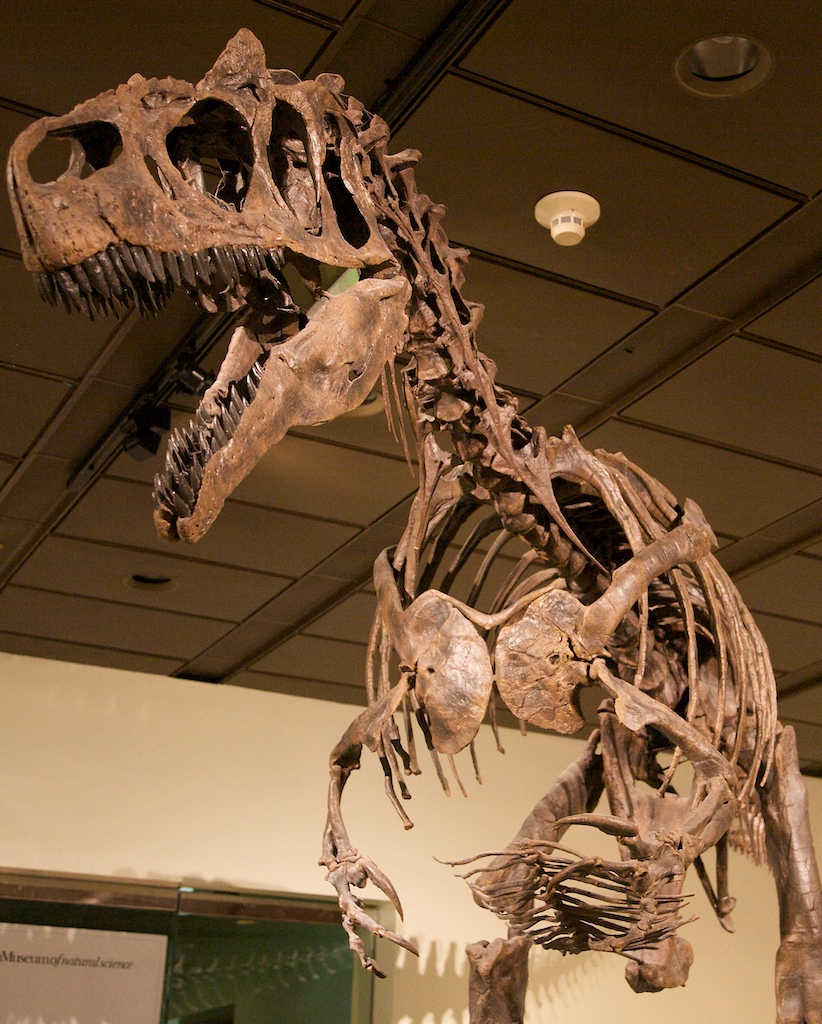
Big Al is the name given to a fossilized Allosaurus jimmadseni skeleton that was found near Howe Quarry (Bighorn County, Wyoming), a member of the Morrison Formation, in 1991. The skeleton was unusually well preserved — over 95 percent of the bones were found — and they were all in the same positions as when the animal had died. It measured about 7.5-8 meters (24-26 feet) in length.. Allosaurus Skeleton Discoveries A subadult Allosaurus with a killer nickname, "Big Al" lived in what's now north-central Wyoming. Scientists would eventually recover 95 percent of this flesh-eating dinosaur's skeleton. Look closely at his (or maybe her?) remains and you'll find no fewer than 19 separate bone fractures.